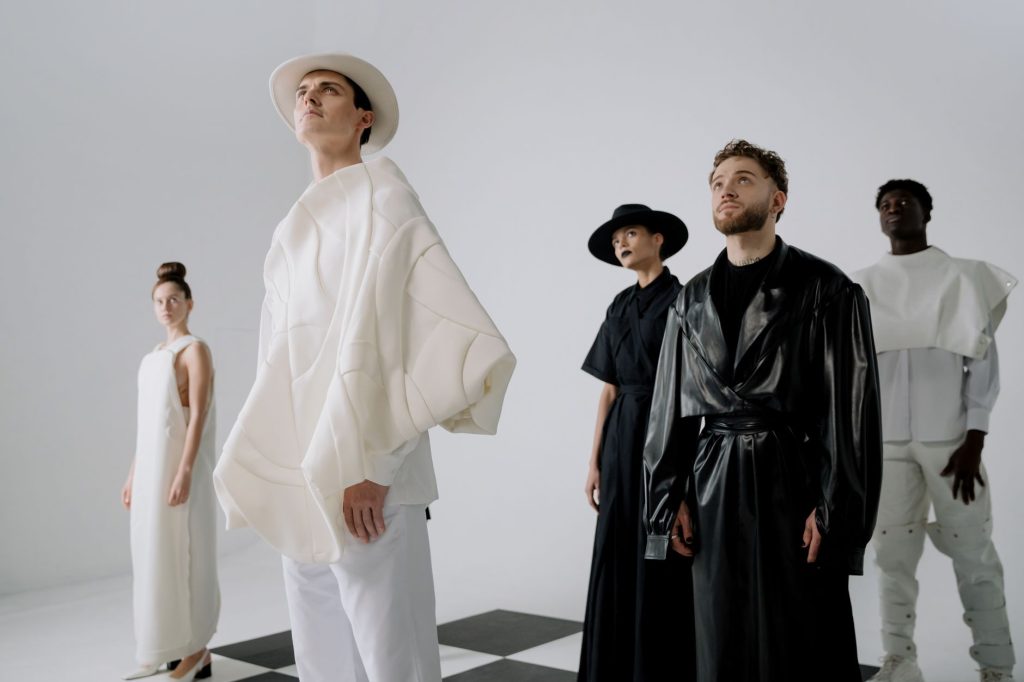
Runway modeling is a pivotal aspect of the fashion industry, serving as the dynamic interface between high fashion and the public. Models showcase garments on a runway during fashion shows, presenting new collections from designers to buyers, editors, and the general public. This form of modeling not only highlights the clothing but also communicates the designer’s vision and the season’s trends.
Understanding runway modeling involves recognizing the intricate world behind the spotlight, including the roles of various professionals, essential skills for models, and the impact of runway shows on fashion trends. In this article, we will explore what runway modeling entails, the expectations for models, and how these elements influence broader fashion discussions.
What Is Runway Modeling?
Runway modeling is a specialized form of modeling focused on presenting outfit collections during live fashion shows. Models walk the runway, showcasing designs in front of an audience that includes fashion industry insiders, celebrities, and the press. This form of artistry aims to highlight the designer’s work and convey aesthetic narratives through movement and style.
The Role of the Runway Model
Runway models play a crucial role in the fashion ecosystem, acting as the live representation of designers’ creations. Their performance is not just about wearing clothes; it’s about embodying what those clothes represent.
Physical Requirements
Traditionally, runway models have conformed to specific physical standards, often being tall and slender. However, the industry has slowly started embracing diversity in body types, heights, and backgrounds. Today, there’s a growing acceptance and inclusion of different body shapes and sizes, which allows for a broader representation of beauty and style.
Professional Skills Needed
Successful runway models often possess a combination of skills, including:
- Walking: Models must have a strong runway walk, characterized by poise, balance, and confidence.
- Posing: Knowing how to pose effectively for photographers is crucial, as every angle can highlight or detract from a garment.
- Character: Models should be able to convey different moods and themes through their expressions and movements.
- Networking: Building relationships within the fashion industry, including with designers, agents, and stylists, is essential for career longevity.
The Significance of Runway Shows
Runway shows are not only platforms for showcasing new collections but also serve several critical purposes in the fashion industry.
Trend Setting
Runway shows are pivotal for trend setting; designers present what they believe will shape the coming season. These shows inform buyers and retailers about upcoming color palettes, fabrics, and styles that consumers can expect to see later in stores.
Brand Development
For designers, runway shows are an essential tool for brand development. A successful show can elevate a designer’s profile and attract media attention, which is invaluable for marketing their brand.
Artistic Expression
Runway shows are also a critical outlet for artistic expression. Designers use models and the runway to convey stories — themes from culture, personal experiences, or political statements are often woven into the fabric of a show.
Types of Runway Modeling
Runway modeling can be categorized into distinct types, each serving various purposes and audiences.
High Fashion Runway Models
These models walk in exclusive fashion shows for luxury designers and are typically seen at events like Fashion Week in major cities worldwide. Their primary function is to showcase designer collections and attract media attention.
Couture Models
Couture modeling focuses on high-end custom garments and often includes pieces that require significant craftsmanship. Models may need to meet specific measurements as these garments are tailored uniquely for them.
Commercial Runway Models
Commercial runway modeling is more accessible and often involves models who may not fit traditional high fashion criteria. These models walk in shows for ready-to-wear collections and mass-market brands, broadening the representation of the industry.
Plus-Size and Diverse Models
The fashion industry is evolving to embrace models of diverse sizes, shapes, races, and abilities. This includes plus-size models and those representing various cultural backgrounds, making runway modeling more inclusive than ever.
How to Get Started in Runway Modeling
For those interested in a career as a runway model, here are some practical steps to get started.
Building a Portfolio
A strong portfolio is essential for aspiring models. This collection of professional photographs showcases versatility and ability in various styles and settings.
Finding Representation
Models often work with talent agencies that can help them find gigs, negotiate contracts, and provide guidance in building their careers.
Networking
Building relationships within the industry is crucial. Attendance at fashion events, workshops, and meetings can help aspiring models create connections that may lead to opportunities.
Continuous Training
Many successful models invest in training for skills like runway walking and posing. Taking classes can build confidence and enhance performance on the runway.
Outfit Ideas Inspired by Runway Trends
Incorporating runway-inspired looks into your wardrobe can be a fun way to express personal style. Here are some outfit ideas that reflect recent runway trends:
Monochromatic Looks
- Choose a standout color and wear it from head to toe, using various textures and accessories to add dimension.
- This trend can work for both casual and formal occasions, such as pairing a cobalt blue suit with matching shoes and a sleek handbag.
Layering Textures
- Mix different materials, like a knit sweater over a satin dress, for an interesting and stylish visual.
- Accessorize with statement jewelry or a bold belt to add focus to your outfit.
Statement Sleeves
- Incorporate pieces with dramatic sleeves into your rotation to make an impact.
- Team a puff-sleeve top with tailored trousers for a modern twist on workwear.
Accessorizing for the Runway Look
Accessories are crucial for completing any outfit, particularly when aiming for that runway-ready aesthetic. Here are some tips on how to choose the right accessories:
Footwear
- The right shoes can make all the difference; consider strappy heels or chunky boots, depending on your outfit’s vibe.
- For a more casual look, stylish sneakers or ankle boots can add comfort without sacrificing style.
Jewelry
- Play with statement pieces such as oversized earrings or layered necklaces that complement your outfit.
- Don’t hesitate to mix metals and styles; eclectic combinations can add personality to your look.
Handbags
- Choose bags that contrast your outfit or create a bold statement with vibrant colors or unique silhouettes.
- A structured bag can add sophistication, while a slouchy tote may give off a more laid-back feel.
Seasonal Fashion Trends on the Runway
Fashion trends can change dramatically from season to season. Here’s a breakdown of seasonal elements you may want to consider:
Spring/Summer Trends
- Expect bright colors, floral prints, and lightweight fabrics.
- Look for flowy dresses, tailored shorts, and chunky sandals to embrace the warmer weather.
Fall/Winter Trends
- Layering becomes crucial, with a focus on rich colors, textured fabrics, and heavier materials.
- Coats, capes, and scarves can function as essential statement pieces.
Care for Your Fashion Investments
Caring for your clothing is vital to maintain their appearance and longevity, especially for garments inspired by runway style.
Fabric Care
- Always follow the care label instructions for washing and drying.
- For delicate fabrics, consider hand washing or using a mesh laundry bag.
Storage
- Store garments in a cool, dry place to prevent damage or fading; consider using garment bags for particularly delicate pieces.
- Rotate your wardrobe seasonally to ensure everything gets proper use.
Shopping Tips for Runway-Inspired Fashion
When shopping for runway-inspired looks, keep the following tips in mind to ensure you create a versatile and stylish wardrobe:
Know Your Style
Understanding your personal style will help you make informed choices that work for your body and lifestyle. Identify what looks and colors resonate with you.
Invest in Classics
While trendy pieces are exciting, invest in classic staples that can be mixed and matched, ensuring versatility in your wardrobe.
Budget Wisely
Fashion doesn’t have to break the bank. Seek out high-street brands that replicate runway trends or consider thrifting for unique finds.
Quality Over Quantity
Pay attention to fabric quality and construction. High-quality items will last longer and often look better, giving you that runway-ready feel.
Conclusion
Runway modeling serves as a vibrant and essential part of the fashion industry, influencing trends and consumer choices. Understanding its intricacies can deepen your appreciation of fashion while providing inspiration for your own style choices. Embrace the trends, focus on quality, and consider your unique aesthetic to curate a wardrobe that feels personal and runway-worthy.
For more insights on fashion, evaluate our articles on runway modeling and explore what it takes to be a runway model. Discover styling tips, trends, and outfit ideas to enrich your fashion journey.