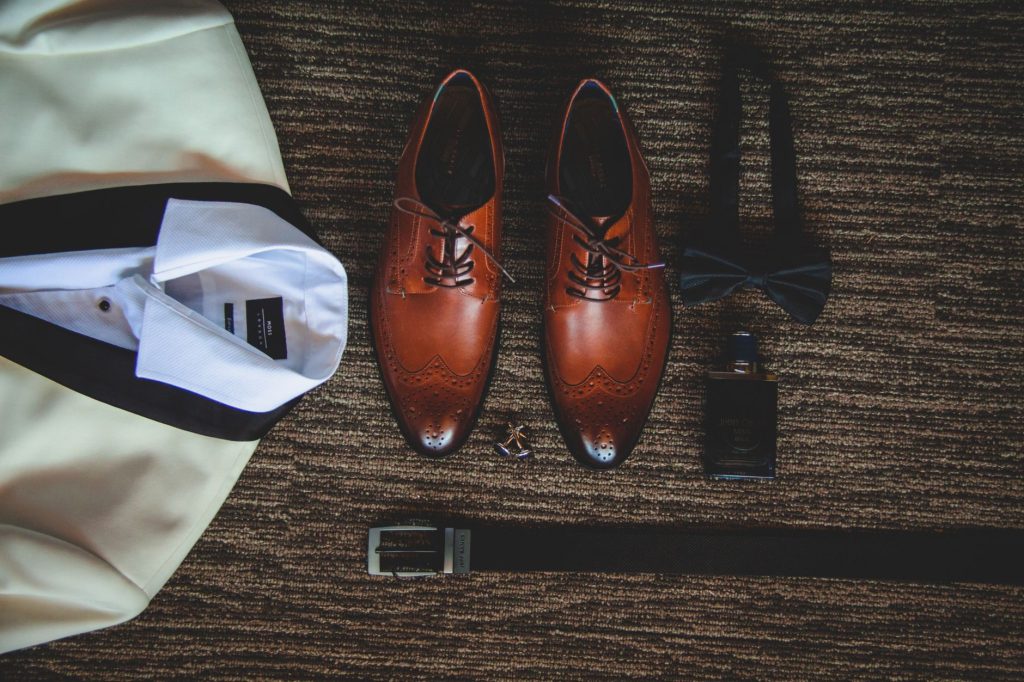
A tuxedo is synonymous with elegance and formal occasions, but the question of whether or not to wear a belt with one often arises. Understanding the styling nuances associated with tuxedos can elevate your look and ensure you adhere to traditional sartorial guidelines. In this article, we will explore the role of belts in tuxedo styling, the alternatives available, and tips for pulling off a polished look.
While belts are typically considered an essential part of men’s suiting, the realm of tuxedos operates under different standards. The classic tuxedo originally eschewed belts in favor of other means of support, which not only offers a cleaner silhouette but also aligns with the formal purpose of the outfit.
Do You Wear A Belt With A Tuxedo?
Generally, you do not wear a belt with a tuxedo. Traditional tuxedo styling employs suspenders or braces instead, which provide both support and style without disrupting the clean lines that a tuxedo aims to achieve. However, if you are opting for a more modern interpretation, a belt can sometimes be acceptable depending on the context.
The Reasons Behind Not Wearing a Belt
There are several key reasons why belts are typically not part of a tuxedo ensemble:
- Clean Silhouette: A tuxedo aims for a sharp and streamlined appearance. Suspenders sit comfortably over the shoulders, allowing for a smoother look without added bulk at the waist.
- Formal Tradition: Tuxedos have historical roots in formal evening wear. Traditionally, they have relied on suspenders for function, while belts were seen as casual accessories.
- Waistband Design: Most tuxedo trousers come with a designed waistband intended to sit flush against the body, making a belt unnecessary. This design enhances the fit and prevents any disturbance to the sophistication of the tuxedo.
When Might a Belt Be Appropriate?
While traditional sartorial guidance leans towards suspenders, belts may still find their way into a tuxedo ensemble in certain situations:
- Modern Takes: Some contemporary tuxedo designs have adapted to include belts, particularly those with a more relaxed fit or in styles that lean towards casual dressing.
- Cocktail Attire: If the event calls for cocktail attire instead of formal black tie, incorporating a belt into a tuxedo look could be acceptable.
- Personal Style: Ultimately, fashion is about individual expression. If a belt fits seamlessly into your vision for your outfit and the context allows for it, feel free to explore that option.
Choosing the Right Trousers
The answer to whether or not to wear a belt with a tuxedo greatly depends on the trousers you choose. Explore the different styles to understand their impact on overall appearance:
Classic Tuxedo Trousers
Typically, classic tuxedo trousers feature a satin side stripe and have an adjustable waistband, allowing for a tailored fit that avoids the need for a belt. These trousers are designed to work harmoniously with traditional formal attire.
Contemporary Trousers
Modern tuxedos may introduce trousers with a more contemporary fit that still retains elegance while allowing room for personal style. Some variations include waistbands designed for belts, but opting for suspenders still makes a strong statement.
Suspenders: The Preferred Alternative
Suspenders or braces are a timeless and sophisticated complement to tuxedos. Here’s why they are favored over belts:
- Style Variation: Suspenders come in various styles and colors, allowing you to express your personal aesthetic while maintaining a formal appearance.
- Comfort and Fit: Suspenders distribute weight evenly across the shoulders, providing enhanced comfort without constricting the waist.
- Historical Authenticity: Wearing suspenders embodies the traditional way tuxedos have been worn and reflects a commitment to classic sartorial principles.
How to Choose Suspenders
If you decide to go with suspenders, here are some tips to ensure they complement your tuxedo properly:
- Material: Choose suspenders made of high-quality materials like silk, velvet, or leather to maintain the chic look of the tuxedo.
- Width: Consider the width of your suspenders. Standard widths (around 1 to 1.5 inches) maintain a classic look while wider suspenders can present a more contemporary vibe.
- Color Coordination: Opt for suspenders that complement your tuxedo’s color scheme. Classic black suspenders are always a safe choice, but shades like navy, dark green, or even patterned options can add character.
Accessorizing Your Tuxedo
When focusing on the overall appearance of your tuxedo, consider the following accessories that can enhance your outfit:
Bow Ties
A classic bow tie is an essential accessory for a tuxedo. A silk or satin bow tie paired with a well-fitted collar adds sophistication. Ensure your bow tie is tied neatly, as this can elevate your overall ensemble.
Cufflinks
Cufflinks not only serve a functional purpose, but they also add a touch of elegance to your tuxedo shirt. Choose a pair that complements your bow tie and other accessories to maintain cohesion within your look.
Handkerchiefs and Boutonnieres
A pocket square or handkerchief offers an opportunity for personal touch. Ensure it complements the colors of your ensemble, adding either a subtle accent or a pop of color. Boutonnieres, particularly for weddings or formal events, can also enhance your look, showcasing personality.
Footwear for a Tuxedo
Choosing the right shoes is critical to completing the tuxedo look. Here’s what to consider:
Classic Patent Leather Shoes
The go-to choice for a formal occasion, patent leather shoes exude elegance. Whether you opt for oxfords or loafers, polished shoes contribute to the overall sophistication of your tuxedo ensemble.
Deciding on Socks
Socks should never be overlooked; they complete your look from head to toe. Match your socks to your trousers for cohesion or consider a subtle pattern for a bit of flair without being distracting.
Color Coordination
The ability to coordinate colors within your tuxedo outfit can make a significant impact. Consider these principles:
- Classic Black Tuxedo: Pair with white or ivory shirts, and opt for black accessories for a timeless look.
- Midnight Blue Tuxedo: This alternative offers depth and sophistication. Pair it with a crisp white shirt and complementary accessories.
- Brightly Colored Tuxedos: When going for a bold style, keep the rest of your outfit muted for balance. Subtle shades in formalwear can create a stunning visual impact.
Seasonal Considerations
The season can influence your tuxedo choice and styling details:
Spring/Summer Tuxedos
Light fabrics like cotton or linen can help keep you cool. Consider softer colors like light gray for a fresh feel during warmer months. Avoid heavy materials that could become uncomfortable in higher temperatures.
Fall/Winter Tuxedos
Wool and heavier fabrics add warmth and depth. Jewel tones and darker hues are more accepted during colder months, offering a classic and refined look suitable for formal events.
Garment Care for Your Tuxedo
To maintain your tuxedo’s impeccable appearance, proper care is essential. Here are key tips:
- Dry Cleaning: Always take your tuxedo to a professional dry cleaner, especially after events. Regular maintenance helps preserve the fabric and structure.
- Storage: Use a breathable garment bag for storage, and avoid folding to prevent creasing and damage.
- Immediate Care: Attend to stains immediately to prevent them from setting. Spot clean gently and consult your cleaner for specialized care.
Shopping Tips for a Tuxedo
If you are on the market for a tuxedo or components to go with it, keep these points in mind:
- Fit is Key: Prioritize fit over brand names. A well-fitting tuxedo will always look more elegant, regardless of its price.
- Quality Fabrics: Look for wool, silk, or cotton blends that offer longevity and maintain their structure.
- Customization: Consider tailored options for a personalized fit, especially if you have specific style preferences.
- Budget Wisely: Set a realistic budget that accounts for all the necessary components, including accessories and care.
By understanding the reasons behind the classic tuxedo styling choices, along with alternative options, you can successfully navigate the world of formal dressing. Remember that your personal style matters, and should you choose to incorporate a belt, make sure it aligns with the overall aesthetic you wish to present.
As you prepare for your next formal occasion, whether it be a wedding, gala, or black tie event, consider all these elements—from the choice of suspenders or belts to shoes and cufflinks. With attention to detail, you will undoubtedly create an ensemble that not only adheres to formal standards but also expresses your style.
Explore other fashion guides for further insights, such as what is a tuxedo and what is black tie attire for a man. These resources can assist you in creating the perfect look for any occasion.