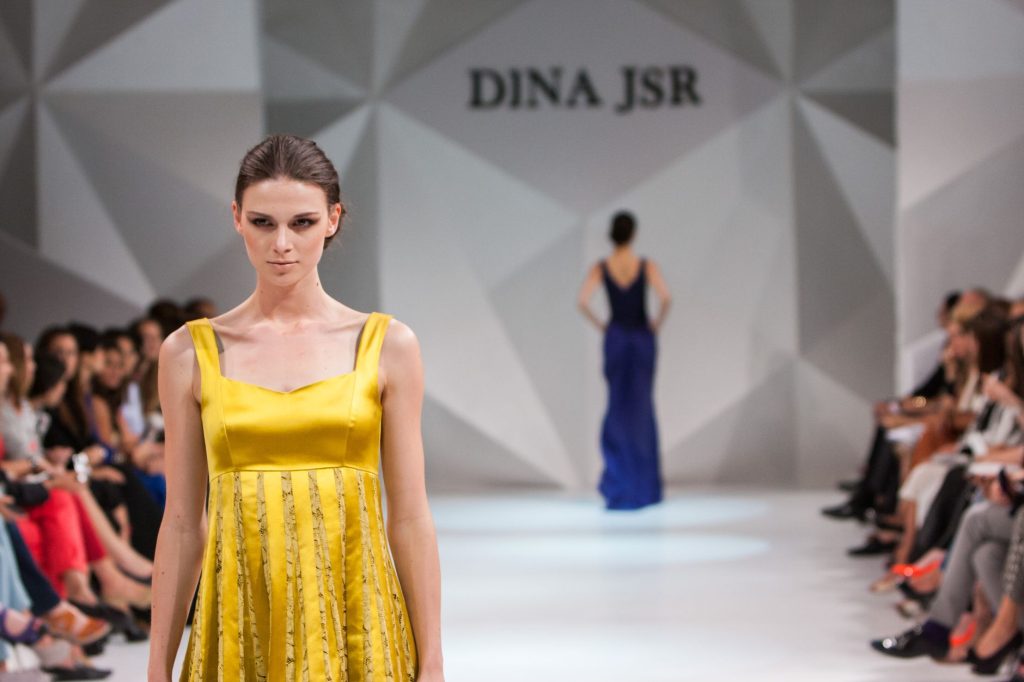
Runway models are an essential part of the fashion industry, showcasing designers’ latest collections on international platforms. With their unique ability to capture attention, runway models bring life to the creative vision of designers and establish trends for consumers and fashion enthusiasts alike.
Understanding what a runway model does can provide valuable insight into fashion. This article will explore the role of runway models, the skills they need, how they prepare for shows, and what sets them apart in the modeling industry.
What Is A Runway Model?
A runway model is a professional who walks on a runway during fashion shows to display clothing and accessories created by designers. They often possess specific traits that make them suitable for this role, including height, body proportions, and a unique presence that captivates audiences.
Runway models play a crucial role in promoting fashion lines, as they wear the latest styles and set trends for consumers. Their appearance showcases the garment’s fit, fabric, and overall aesthetic, directly influencing public perception and consumer choices.
The Role and Responsibilities of Runway Models
The primary responsibility of a runway model is to walk in fashion shows, highlighting the designer’s collection. However, there are various secondary roles and tasks they may engage in:
- Walk Practice: Models spend significant time practicing their walks to ensure they can confidently showcase the garments.
- Fitting Sessions: Before a show, models attend fittings where they try on clothes to ensure the proper fit and make any necessary adjustments with designers.
- Brand Representation: Models often represent specific brands and must embody their image and ethos during shows and public appearances.
- Networking: Building relationships with designers, photographers, and industry professionals can lead to more opportunities and collaborations.
Key Skills and Attributes of Runway Models
To succeed as a runway model, individuals typically need a combination of physical attributes and soft skills. Here are some of the most important:
- Height: Most runway models are tall, typically ranging from 5’9″ to 6’1,” with longer-than-average limbs that enhance the garment’s visual appeal.
- Proportions: Designers generally prefer models with a specific body type, often characterized by a slim figure that allows for varied styles to be showcased effectively.
- Confidence: A confident demeanor is essential, as runway models must maintain poise and elegance throughout the show, even in front of large audiences.
- Adaptability: Fashion is ever-changing, and models must quickly adapt to different styles, designers, and themes.
- Punctuality: Being on time for fittings, rehearsals, and shows is critical in a fast-paced industry that thrives on schedules.
How Runway Models Prepare for Fashion Shows
The preparation for any runway show begins long before models step on the catwalk. This process involves several critical steps:
1. Casting and Selection
Before anything else, models participate in casting calls where they are selected for specific shows. Designers or casting directors evaluate models based on their look, walk, and overall fit for the brand.
2. Fittings
After selection, models attend fittings where they try on the garments to assess fit and comfort. Designers may tweak the clothing according to the model’s feedback, ensuring the best showcase.
3. Rehearsals
Rehearsals are vital for runway models. This real-time practice allows them to familiarize themselves with the show’s choreography, stage layout, and timing, ensuring a flawless performance.
4. Grooming and Styling
On the day of the show, models usually undergo grooming, which includes hair and makeup sessions. Professional stylists ensure their appearance aligns with the designer’s vision. Attire, shoes, and accessories are finalized at this time to create a cohesive look.
Runway Show Formats
Runway shows can vary greatly in format. Here are some popular types:
- Traditional Runway: Models walk in a straight line from one end of the runway to the other, showcasing each look as they pass.
- Closed Runway: This format involves a more intimate setting where a select audience gets a close-up view of the collection, often used for luxury brands.
- Presentation: Rather than a walk, models may stand or pose on pedestals while attendees view the collection from all angles.
- Digital Runway: With the rise of technology, many designers have begun incorporating virtual elements, presenting collections online through videos or live streams.
The Impact of Runway Models on Fashion Trends
Runway models significantly influence fashion trends. Their portrayal of styles through walking and posture can dictate public interest and demand for specific looks. Here are a few key ways they make an impact:
- Set Trends: Fashion designers often create looks intended to be groundbreaking, and models play a pivotal role in making these looks appear desirable.
- Shape Consumer Choice: When a specific garment receives attention on the runway, consumers often flock to stores to replicate the look, influencing purchasing habits.
- Mood Creation: The energy and atmosphere models project can set the tone for the entire show, affecting overall consumer perception.
Understanding Different Types of Modeling
Runway modeling is just one aspect of the modeling industry. Here’s a breakdown of other common modeling types:
- Commercial Modeling: Models in this field are featured in advertisements, catalogs, and branding campaigns, often portraying everyday people.
- Editorial Modeling: Typically found in fashion magazines, editorial models showcase high-fashion looks through artistic photography and concept-driven shoots.
- Plus-Size Modeling: This type focuses on representing models of larger sizes, bringing inclusivity to the fashion industry.
- Petite Modeling: Designed for taller and smaller models, this segment emphasizes styles suited for shorter predetermined height ranges.
Sustainable Fashion and Runway Models
The modeling industry has been increasingly intersecting with sustainability, and runway models have a key role in this movement. Many designers are focusing on environmentally friendly practices, and here’s how models can contribute:
- Advocacy: Models can raise awareness about sustainable practices and promote eco-friendly designers through their platforms.
- Behavior Influence: By choosing to walk for sustainable collections, models can encourage brands to adopt ethical practices.
- Waste Reduction: Participating in upcycled fashion shows promotes garments made from recycled materials, encouraging a circular fashion economy.
Challenges Faced by Runway Models
The glamorous image of runway modeling often overlooks the variety of challenges models can face in the industry:
- Body Image Pressures: The industry is known for its strict standards, leading to potential body image issues among models.
- Job Security: Runway modeling can often be unpredictable, with jobs based on trends and designer preferences.
- Long Hours: Preparing for shows often involves long hours, with models needing to balance multiple commitments.
- Competition: The industry is highly competitive, making it essential for models to stay on top of their game to maintain relevance.
How to Get Started as a Runway Model
For those interested in pursuing a career as a runway model, here’s a step-by-step guide:
- Research Agencies: Investigate reputable modeling agencies that specialize in runway and fashion modeling.
- Create a Portfolio: Develop a professional portfolio showcasing your versatility and best work. Include headshots and full-body images.
- Attend Open Calls: Many agencies host open calls for aspiring models. Prepare to walk and present yourself confidently.
- Network: Attend fashion events, connect with industry professionals, and build relationships that may lead to opportunities.
- Stay Fit and Healthy: Prioritize physical health to meet industry standards and maintain a regular exercise routine.
The Future of Runway Models
The modeling industry is continually evolving, and technologies like virtual reality and augmented reality are changing how fashion shows are conducted. As trends shift towards diversity and inclusivity, runway models from varying backgrounds and body types are starting to occupy space traditionally reserved for a narrow ideal.
Future runway shows may become more interactive, reaching global audiences through live streams or immersive experiences. Moreover, sustainable fashion practices are expected to become the norm, integrating ethical choices into runway presentations.
Dressing and Style Tips Inspired by Runway Fashion
- Embrace Bold Colors: Runway shows often highlight striking colors; don’t shy away from incorporating a vibrant piece or two in your wardrobe.
- Mix Textures: Combine materials like leather, silk, and cotton for a multidimensional look that adds depth to outfits.
- Focus on Fit: The right garment fit can significantly enhance your silhouette. Tailoring can transform off-the-rack pieces into your own runway-ready style.
- Accessorize Creatively: Bold accessories, such as oversized statement jewelry or hats, can elevate your everyday attire.
- Layer Wisely: Runway models often layer pieces. Experiment with layering to create versatile looks suitable for various weather conditions.
Understanding the world of runway modeling not only provides you with insight into the fashion industry but can also inspire your personal style. Drawing from runway trends allows you to create outfits that express your unique identity while staying fresh and stylish.
Explore more related fashion guides and styling articles to elevate your wardrobe, including how to become a model and what fashion modeling entails. Visit our in-depth guides on how to become a model and what is fashion modeling for tips and insights that will empower your journey in fashion.