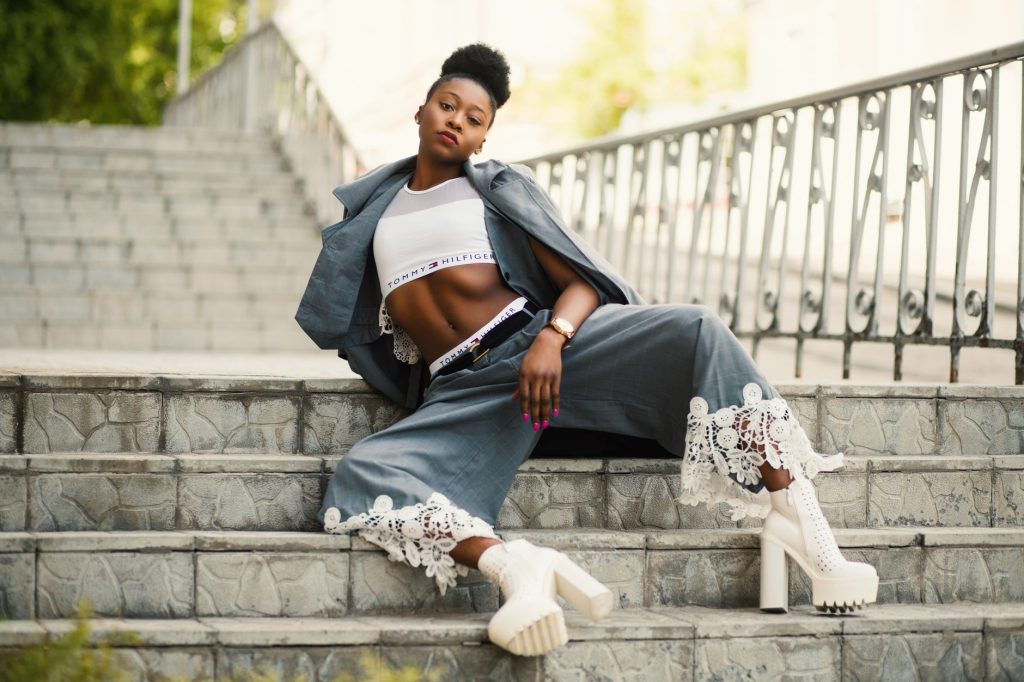
Fashion modeling is a dynamic and multifaceted profession that showcases clothing and accessories, often serving as a bridge between designers and customers. Modeling in fashion encompasses various styles, body types, and campaigns, allowing for diverse representations of beauty and artistry.
This article explores what fashion modeling entails, the different types of modeling, the skills required, and how you can engage with this fascinating part of the fashion industry, whether through personal styling or aspiring to model yourself.
What Is Fashion Modeling?
Fashion modeling involves presenting clothing, accessories, and other items for designers, brands, or publications in a visually appealing way. Models may participate in fashion shows, photo shoots, and promotional events, all aimed at showcasing and selling fashion. This role helps in conveying the style, fit, and mood of the fashion line being presented.
Within the realm of fashion modeling, there are various categories, including runway, editorial, commercial, plus-size, and more, each offering unique opportunities and challenges. Understanding these distinctions can help you appreciate the breadth of this industry and perhaps inspire your own journey into fashion.
The Different Types of Fashion Models
Fashion modeling can be classified into several types, each with its own nuances and expectations. Recognizing these categories is crucial for those interested in pursuing a career in modeling or simply understanding the fashion landscape.
Runway Models
Runway models are the stars of fashion week events, showcasing designers’ latest collections on the catwalk. Typically, they embody high fashion and are often taller, with specific measurements that conform to industry standards.
Editorial Models
These models typically appear in magazines, advertisements, and photoshoots. Editorial models often convey artistic concepts through images and are valued for their versatility and ability to express different styles and emotions.
Commercial Models
Commercial models work in advertising, targeting a broader audience. They can represent various age groups, body types, and lifestyles, making them relatable to potential buyers. This category includes models for print ads, television commercials, and online campaigns.
Plus-Size Models
Plus-size modeling celebrates body diversity by featuring models who represent fuller figures. This category has gained prominence in recent years, challenging traditional industry standards and promoting body positivity.
Petite Models
Petite modeling caters to models under 5’7″, targeting a niche market. These models are often used in commercial campaigns, bridal fashion, and more, shattering height stereotypes in the industry.
Fitness Models
Fitness models combine fashion with health and wellness, promoting activewear and fitness-related products. They typically showcase a fit and toned physique, making them ideal brand ambassadors for athletic brands.
Parts Models
Parts models specialize in showcasing specific body parts, such as hands, feet, or legs. They often appear in advertisements for beauty products, jewelry, or footwear, where a close-up of a particular feature is required.
Skills Required for Fashion Modeling
Fashion modeling is more than just looking good; it involves a specific skill set that fosters success in the industry. Here are some essential skills that aspiring models should cultivate:
- Posing: Mastering various poses enhances a model’s ability to showcase garments effectively. Learning to angle the body, conform to different styles, and incorporate fluid movements is key.
- Facial Expressions: Conveying emotions through facial expressions can drastically affect a photo’s impact. Being able to show joy, sulkiness, or thoughtfulness adds character to the shoot.
- Walking: For runway models, a strong runway walk is critical. This involves practicing posture, stride, and maintaining a confident demeanor as they navigate the catwalk.
- Networking: Building relationships within the industry can lead to job opportunities. Networking skills help models connect with photographers, stylists, and brands.
- Confidence: Confidence shines through in modeling. Models must believe in themselves and their abilities to project a strong image during shoots and shows.
- Adaptability: Each shoot or show presents different requirements. Being flexible and open to change is essential for working with various clients and projects.
How to Get Started in Fashion Modeling
If you aspire to become a fashion model, taking the right steps can guide you on your journey. Here are practical tips to help you break into the industry:
Create a Portfolio
Your modeling portfolio serves as your visual resume. It should consist of high-quality images that showcase your versatility, range, and style. Consider hiring a professional photographer or collaborating with those starting in photography.
Find a Modeling Agency
Research modeling agencies that align with your goals and aesthetic. Submitting your portfolio to reputable agencies can help you secure auditions and castings. Ensure to check agency reviews and their legitimacy.
Attend Open Calls
Many agencies host open calls where aspiring models can meet agency representatives. Dress professionally and bring your portfolio to make a strong impression. Prepare to discuss your interests and experience in the modeling field.
Stay Fit and Healthy
Maintaining a healthy lifestyle is essential in the modeling industry. Focus on balanced nutrition, regular exercise, and self-care to ensure your body is feeling its best. Remember, it’s about overall well-being rather than conforming to a specific body type.
Develop Your Personal Brand
In today’s digital age, your online presence plays a significant role in modeling. Consider building an Instagram page or personal website to showcase your portfolio, share behind-the-scenes content, and connect with potential clients.
Learn About the Industry
Stay informed about the fashion industry by following trends, reading fashion publications, and understanding market shifts. Knowledge about current styles will bolster your credibility as a model.
Fashion Modeling Etiquette
- Be Punctual: Arriving on time shows professionalism and respect for everyone’s time involved in the project.
- Be Prepared: Familiarize yourself with the designers and the theme of the show or shoot. Bring appropriate clothing and outfits if required.
- Stay Professional: Maintain a positive attitude and work collaboratively with photographers, stylists, and other models. Professionalism extends to how you conduct yourself on social media as well.
- Accept Feedback: Be open to constructive criticism. It can help you grow and improve as a model, even if it is not always easy to hear.
- Respect Confidentiality: Maintain discretion regarding the details of jobs and creative ideas before they are publicly shared.
The Importance of Diversity in Fashion Modeling
The fashion industry has made significant strides towards embracing diversity in recent years. This shift is crucial for several reasons:
- Representation: Inclusive modeling allows consumers to see themselves reflected in advertising, fostering a sense of belonging and acceptance.
- Consumer Connection: Brands that showcase diverse models can resonate with a broader audience, positively impacting their market reach and sales.
- Cultural Awareness: Diversifying representation in modeling promotes cultural appreciation and raises awareness about different fashion aesthetics from around the world.
Engaging with Fashion Modeling as a Personal Style Enthusiast
Even if you do not aspire to model, you can engage with the fashion modeling scene to enrich your personal style. Here are some ways to do this:
Follow Fashion Events
Stay updated on fashion weeks or local fashion events by following social media or subscribing to fashion magazines. Observing runway shows provides insight into upcoming trends and how they are styled.
Experiment with Styles
Take inspiration from models and their outfits. Experiment with different silhouettes, colors, and accessories to develop your personal style.
Attend Workshops or Events
Participate in fashion or photography workshops to gain knowledge about styling and the modeling industry. Networking at these events can also lead to potential opportunities.
Utilize Fashion Apps and Blogs
Leverage fashion apps and blogs to acquire styling tips, motivation, and advice. Brands often share outfit ideas or trending styles that can elevate your wardrobe.
Engage on Social Media
Follow models, designers, and fashion enthusiasts on platforms like Instagram or TikTok to interact and learn about emerging trends. Engaging with communities can also inspire creativity in your own style.
Fashion Modeling vs. Influencer Culture
In recent years, the lines have blurred between traditional fashion modeling and influencer culture. While both roles may involve showcasing products, several distinctions exist:
- Professional Training: Fashion models often receive formal training in skills like posing and runway walking, whereas influencers might rely more on natural charisma and online engagement.
- Brand Partnerships: Influencers typically promote products through sponsored posts, leveraging their personal brand, while fashion models work predominantly on traditional advertising campaigns.
- Sector Focus: Fashion models are often associated with the industry’s high-fashion segment, while influencers cater to a more personal and relatable market.
The Future of Fashion Modeling
The fashion modeling industry continues to evolve, reflecting broader cultural shifts and technological advancements. Here are several emerging trends shaping the future:
- Virtual Models: The rise of digital avatars and virtual models challenges traditional concepts of beauty and representation, offering new opportunities for brands.
- Sustainable Fashion: Models are increasingly advocating for sustainability in fashion, pushing brands to prioritize ethical practices and eco-friendly materials in their campaigns.
- Diversity and Inclusivity: As consumers demand authentic representation, brands will continue to embrace diverse models, addressing body types, age, gender, and cultural backgrounds.
- Digital Platforms: Online platforms allow models to create personal brands and sell their merchandise, changing how they engage with fans and collaborators.
By understanding the various aspects of fashion modeling, you can better appreciate its impact on personal style and fashion consumption. This knowledge can also be invaluable for anyone seeking to participate in modeling, whether as a professional career or an avenue for personal expression.
For enthusiasts looking to refine their personal style further, exploring outfit formulas and insights on seasonal fashion may enhance your wardrobe choices. Consider checking out recommendations on capsule wardrobes or essential pieces that align with your unique style.
For more insights, explore these related fashion guides and styling articles: Practical Fashion Tips and Understanding Fast Fashion.