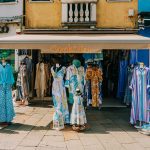
Fast fashion has become a key term in today’s retail landscape, resonating with consumers and fashion enthusiasts alike. It implies a rapid and inexpensive process of producing garments to meet current fashion trends, allowing brands to create trendy clothing that mimics designer styles at a fraction of the cost. This article will delve into the intricacies of fast fashion, exploring its impact on the fashion industry, consumer behavior, and sustainability concerns.
By understanding what fast fashion entails, readers can make informed choices when shopping and consider how their purchasing decisions align with their values and style needs. We will cover the components of fast fashion, its advantages and disadvantages, and what alternatives might exist for more sustainable fashion choices.
What Is Fast Fashion?
Fast fashion refers to clothing collections that are rapidly produced by retailers in response to the latest trends presented on runways and in popular culture. These items tend to be offered at low prices and are designed to encourage consumers to buy frequently. In essence, fast fashion brands aim to bring the latest styles to the market as quickly as possible.
This approach often relies on mass production methods and inexpensive materials, making it feasible for brands to offer new designs almost weekly or bi-weekly. With the rise of social media and influencers, the demand for quick access to fashion has only intensified, creating a further cycle of consumption.
Characteristics of Fast Fashion
To better grasp the nature of fast fashion, it’s essential to identify its key characteristics:
- Rapid Production: Fast fashion brands leverage efficient supply chains, enabling them to design, manufacture, and distribute clothing in record time.
- Low Prices: By focusing on cost-efficient manufacturing and using cheaper materials, fast fashion provides affordable apparel for a wide range of consumers.
- Frequent Releases: New collections are frequently launched, allowing shoppers to enjoy fresh styles consistently, often within short seasonal cycles.
- Trendy Designs: The key to fast fashion is mimicking high-fashion trends, giving consumers access to runway-inspired garments without the hefty price tag.
- Targeting Youth Culture: Fast fashion brands primarily market to a younger demographic that often seeks new styles and trends just as quickly as they emerge.
The Rise of Fast Fashion
The fast fashion phenomenon can be traced back to the early 2000s when brands like Zara and H&M redefined the retail space by providing runway styles at lower prices. With advancements in technology and logistics, these brands pioneered a model that allowed them to produce items in weeks instead of months, reshaping how consumers approached fashion.
Additionally, the digital landscape played a vital role in the rise of fast fashion. E-commerce and social media platforms made it easier for brands to showcase their latest arrivals, creating a buzz that led to instant consumer demand. The shift toward online shopping allowed more people to access new styles and shop with ease, often leading to impulsive purchases.
Advantages of Fast Fashion
Fast fashion presents various advantages that appeal to consumers and retailers alike:
- Affordability: The lower price points enable customers to experiment with different styles without significant financial risk.
- Variety: Consumers can find a vast range of designs and patterns, which allows them to build diverse wardrobes with relative ease.
- Quick Response to Trends: Fashion brands can adapt to changing trends rapidly, ensuring that their offerings are always relevant and appealing.
- Accessibility: Fast fashion makes trendy pieces available to a wider audience, democratizing fashion and allowing more people to engage with current styles.
Disadvantages of Fast Fashion
Despite its appeal, fast fashion also brings several drawbacks that are increasingly gaining attention:
- Environmental Impact: The production of cheap clothing often leads to excessive waste, high water usage, and pollution, contributing to environmental degradation.
- Labor Exploitation: Many fast fashion companies outsource production to countries with lax labor laws, resulting in low wages and unsafe working conditions for garment workers.
- Quality Concerns: Fast fashion items are typically made with lower quality materials, leading to a shorter lifespan for garments and increased consumer waste.
- Overshadowing Local Brands: The dominance of fast fashion can make it difficult for local designers and sustainable brands to compete in the market.
Making Informed Choices: Understanding Your Shopping Habits
Recognizing the implications of fast fashion can empower consumers to make more thoughtful shopping decisions. Here are some strategies to consider:
- Evaluate Your Purchases: Before buying, ask yourself if you genuinely need the item or if it’s a fleeting trend that won’t be worn often.
- Invest in Quality: Prioritize purchasing well-made garments over cheap fast fashion pieces, as they often last longer and remain stylish.
- Research Brands: Take the time to discover the ethical practices and sustainability efforts of the brands you buy from.
- Consider Thrifting: Thrift stores and consignment shops offer a unique way to shop sustainably while finding one-of-a-kind pieces.
Sustainable Fashion Alternatives
For those looking to step away from the fast fashion trap, several sustainable fashion alternatives can help you maintain your personal style while being conscious of ethical and environmental considerations.
Slow Fashion
Slow fashion emphasizes quality over quantity, focusing on sustainable practices and thoughtful design. This approach encourages consumers to buy less often but invest in timeless pieces that will endure through years of style changes.
Capsule Wardrobes
A capsule wardrobe system consists of a curated selection of essential, versatile clothing items that can be mixed and matched to create numerous outfits. By focusing on classic pieces and seasonless styles, you can avoid the temptation to shop for transient fashion trends.
Ethical Brands
Many brands are committed to ethical practices, ensuring fair labor and sustainable sourcing models. Look out for brands that produce with organic materials, offer transparency in their supply chains, or promote recycling and circular fashion through initiatives.
Outfit Ideas Outside Fast Fashion
Let’s explore how to style key pieces that align better with sustainable fashion principles, while still allowing for personal expression and versatility.
Minimalist Outfit Formulas
When creating outfits with quality pieces, focus on minimalist formulas that lend themselves to mixing and matching:
- Classic White Shirt + High-Waisted Trousers: This combination can work for both casual and professional settings. Add flats for daywear or heels for a night out.
- Tailored Blazer + Basic Tee + Jeans: This look balances sophistication and comfort, perfect for meetings or brunch with friends.
- Maxi Dress + Statement Belt: A flowy maxi dress becomes more structured and fashionable with a cinched waist, easily adorned with layers of jewelry.
- Cardigans + Turtleneck + Wide-Leg Pants: This cozy combination works well for autumn and winter, ensuring warmth without sacrificing style.
Accessorizing Sustainably
Accessories can elevate any outfit while also being eco-friendly. Consider the following:
- Second-Hand Accessories: Vintage jewelry or pre-loved handbags can add character and history to your ensemble.
- Capsule Footwear: Opt for versatile, durable shoes that can transition from day to night. Look for timeless styles like loafers or ankle boots.
- Reusable Bags: Use stylish, high-craft bags instead of disposable options. Aim for options made from sustainable materials.
Color Coordination Tips
Smart use of colors can create dynamic outfits that attract attention in an understated way. Here are some tips for coordinating colors effectively:
- Monochrome Looks: Different shades of the same color create an elegant and elongating effect. Consider varying textures to add depth.
- Complementary Colors: Use colors opposite on the color wheel (e.g., blue and orange) for striking contrast. This approach works beautifully in accessories.
- Neutral Base: Start with a neutral color palette, then add pops of color through accessories or a statement piece, making your outfit easily adaptable.
Care for Your Garments
Proper care extends the life of your clothing, making it an essential part of sustainable fashion. Keep these tips in mind:
- Read Care Labels: Always follow the instructions provided on garment care labels to avoid damage.
- Wash Wisely: Opt for gentle cycles, cold water, and avoid excessive washing to reduce wear and tear.
- Air Dry When Possible: Instead of relying on a dryer, let clothes air dry to prevent shrinking and fading.
- Store Properly: Use padded hangers or storage bins to protect the shape of your garments during off-seasons.
Conclusion
Understanding fast fashion is essential for making informed decisions about your wardrobe. While the allure of trendy, inexpensive clothing can be hard to resist, recognizing the broader implications—environmental impact, labor practices, and quality—can guide your choices toward more sustainable options. By considering alternatives like slow fashion or building a capsule wardrobe, you can create a personal style that reflects your values and contributes positively to the fashion world.
To take your style exploration further, check out our guides on fashion insights and tips and discover how to create and maintain your own capsule wardrobe.