Fashion modeling is a fascinating career that blends creativity, art, and commerce. It involves showcasing clothing, accessories, and beauty products to convey ideas and connect with potential consumers. Understanding fashion modeling can provide insights for aspiring models, fashion enthusiasts, and anyone interested in the industry.
The role of a fashion model is diverse and can vary greatly depending on the type of modeling and the specific project at hand. In this article, we will explore the different facets of fashion modeling, the various types of modeling, what it takes to become a successful model, and some essential tips for those wanting to navigate the fashion world.
What Is Fashion Modeling?
Fashion modeling refers to the profession of presenting garments and products to promote and sell them. Models work with designers, photographers, and brands to create visual stories that highlight fashion trends and showcase lifestyles. The primary objective is to attract and influence potential customers through captivating imagery.
Models may work in various settings, including runway shows, photoshoots, commercials, and advertisements. While the focus is often on the clothing, the model’s attitude, expression, and overall styling play significant roles in the final presentation.
The Different Types of Fashion Modeling
Fashion modeling encompasses several categories, each requiring unique skills and characteristics. Here are some of the main types of fashion modeling:
- Runway Modeling: Models who showcase designer collections during fashion shows. They typically walk the runway, showcasing garments to a live audience and photographers.
- Editorial Modeling: Models featured in magazines and publications. Editorial shoots often have a high fashion or artistic slant and may involve complex themes or storytelling.
- Commercial Modeling: Models hired for advertising campaigns, catalogs, and branded content. These models may represent lifestyle brands, fashion lines, or beauty products.
- Plus-Size Modeling: Models who represent plus-size fashion, catering to a larger audience and promoting inclusivity in the fashion industry.
- Fitness Modeling: Models who showcase athletic wear, often participating in fitness-related shoots or campaigns focused on health and wellness.
- Alternative Modeling: Models that present unique subcultures, styles, or aesthetics, such as goth, punk, or vintage. This type often defies traditional beauty standards.
- Teen and Child Modeling: Young models who represent brands and products aimed at children or teenagers. They often require a different approach to styling and themes.
The Skills Required to Succeed in Fashion Modeling
Succeeding in fashion modeling involves more than just looking good on camera. Here are some essential skills that aspiring models should develop:
- Confidence: Models need a strong sense of self-belief to perform well in front of cameras and audiences.
- Posing Techniques: Understanding how to pose in flattering ways is crucial. Models should study various poses suited to different themes and settings.
- Adaptability: The ability to shift between different looks, styles, and moods is vital. Fashion is dynamic, and models must adapt quickly during shoots.
- Collaboration: Building relationships with photographers, stylists, and designers is essential. A collaborative attitude can lead to more creative opportunities.
- Health and Fitness: Many modeling jobs require models to maintain their physical appearance. Regular exercise and a balanced diet contribute to overall health.
- Networking: Building a solid network within the industry can lead to more job opportunities. Attending events and connecting with industry professionals is beneficial.
How to Become a Fashion Model
Becoming a fashion model typically involves several key steps. Here’s a practical guide to getting started:
1. Research the Industry
Understanding the different types of modeling and the current trends in fashion is vital. This knowledge will help you identify your niche.
2. Create a Portfolio
A professional portfolio is crucial for any aspiring model. It should include a range of photos that showcase your versatility, including headshots, full-body shots, and varied looks suitable for different genres of modeling.
3. Find an Agency
Consider seeking representation from a reputable modeling agency. Research agencies that align with your style and interests. Submit your portfolio and attend casting calls to find the right fit.
4. Build Your Brand
Today’s models often leverage social media to build their personal brand. Sharing high-quality images, engaging with followers, and showcasing your unique style can make you more appealing to brands and agencies.
5. Attend Casting Calls and Auditions
Regularly seek out auditions and casting calls. This experience will help you refine your skills and gain exposure in the industry.
6. Stay Professional and Resilient
The modeling industry can be competitive and challenging. Approach every opportunity with professionalism and resilience, as rejection is part of the journey.
Understanding the Fashion Modeling Process
The fashion modeling process varies slightly depending on the type of job, but it generally follows similar stages:
1. Pre-Production
In pre-production, models and their agencies discuss potential jobs, fees, and contracts. This phase includes fitting sessions where models try on outfits for the shoot or show.
2. Photoshoot or Runway Event
During the actual shoot or event, models collaborate closely with photographers, stylists, and makeup artists. Professionalism and confidence help create the desired atmosphere.
3. Post-Production
After the shoot, images may undergo editing and retouching by a professional editor. The final images will often be used for advertising campaigns, editorials, or online promotion.
4. Marketing and Promotion
Once the images are published, models might be hired for promotional events, social media campaigns, or follow-up engagements related to the project.
Fashion Trends Influencing Modeling
Fashion modeling is deeply intertwined with current fashion trends. Staying updated on trends can help models align themselves with various styles and consumer interests. Here are some current trends influencing the modeling landscape:
- Sustainability: Eco-friendly fashion is gaining traction, prompting models to promote sustainable brands and practices.
- Diversity and Inclusion: The industry is increasingly embracing models of varied sizes, ethnicities, and gender identities.
- Technological Integration: Virtual fashion shows and digital modeling are becoming more prominent due to advancements in technology.
- Street Style Influence: Casual and relatable styles are trending, leading to a rise in everyday fashion representation.
Outfit Ideas for Aspiring Models
For aspiring models, selecting outfits that showcase versatility and style is crucial. Here are some outfit ideas that can work well for both everyday wear and modeling opportunities:
- Casual Chic: Tapered jeans, a fitted turtleneck, ankle boots, and a tailored blazer. This look is polished yet relaxed, perfect for casting calls.
- Bohemian Flair: Maxi dresses with floral prints, paired with ankle booties. This style reflects a free-spirited vibe, often sought after in editorial modeling.
- Sporty Styles: Leggings, an oversized sweatshirt, and trendy sneakers. Perfect for fitness modeling or casual shoots.
- Classic Elegance: A little black dress with statement heels and accessories. This timeless look is ideal for more formal modeling events.
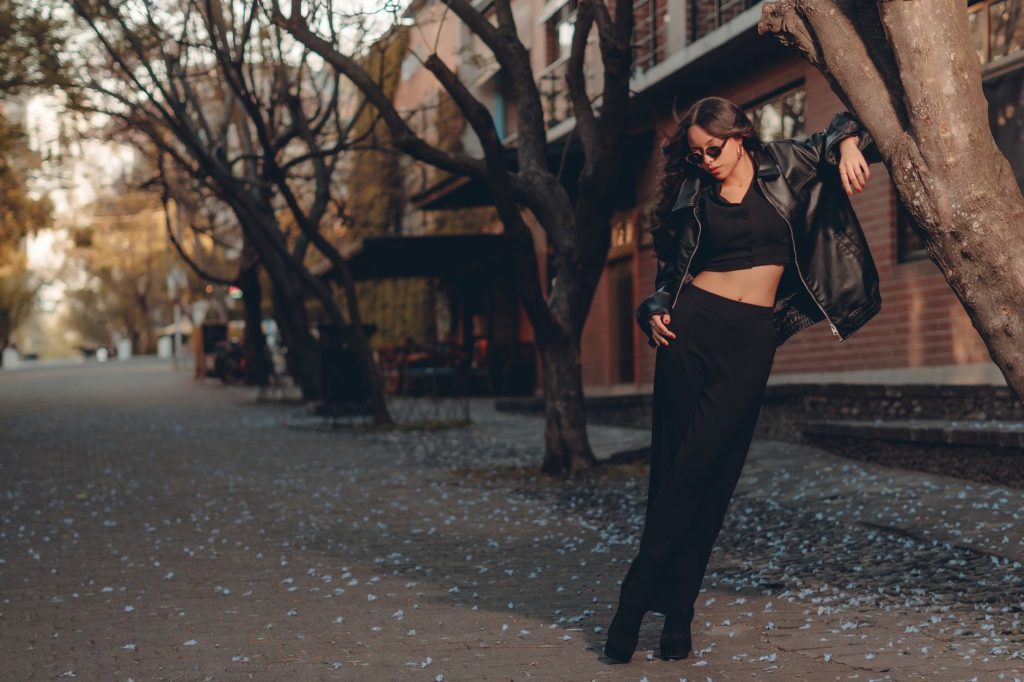
- Street Style: High-waisted trousers, a graphic tee, and chunky sneakers. This combination reflects current trends and personal flair.
Accessorizing as a Model
Accessories play a crucial role in elevating any outfit during photo shoots or runway shows. Here are some accessory tips for models:
- Minimalist Jewelry: Simple stud earrings or a delicate pendant can complement an outfit without distracting from the garments.
- Statement Bags: Chic handbags or backpacks can add an element of style and personality.
- Footwear Selection: Choose footwear that enhances the overall look. This might range from sleek heels to trendy boots, depending on the style.
- Hats and Scarves: Adding a stylish hat or a scarf can create depth and interest in your look.
Garment Care and Maintenance for Models
Maintaining clothing and accessories is crucial for any model. Proper garment care ensures that outfits always look their best during shoots. Here are some basic care tips:
- Read Care Labels: Always check and follow the care instructions on garment labels for washing and maintenance.
- Storage Solutions: Store garments in a cool, dry place. Use padded hangers for delicate items to maintain their shape.
- Regular Cleaning: Clean garments promptly after wearing them to avoid stains setting in. Dry clean when necessary.
- Ironing and Steaming: Remove wrinkles using a steamer or iron, according to the fabric type. Properly pressed clothing looks polished during shoots.
Fashion Modeling Etiquette
Understanding etiquette in the fashion industry can set a model apart. Here are some critical etiquette tips:
- Be Punctual: Arriving on time demonstrates professionalism and respect for everyone’s time.
- Dress Appropriately: Wear suitable attire corresponding to the job or casting call. Keeping your look polished reflects your commitment to the role.
- Communicate Respectfully: Engage with photographers, stylists, and clients respectfully, as building positive relationships is vital.
- Accepting Feedback: Be open to direction and constructive criticism from the team, as this can improve performance on shoots.
Staying Inspired and Motivated as a Model
The modeling profession can sometimes be challenging and unpredictable. Staying inspired and grounded is essential for long-term success. Here are ways to maintain motivation:
- Follow Industry Trends: Stay informed about fashion trends and major industry happenings. This knowledge can reignite your passion.
- Set Personal Goals: Identify your aspirations within modeling and develop a roadmap to achieve them.
- Engage with Community: Connect with other models and industry professionals for support and encouragement.
- Explore Other Artistic Outlets: Experiment with different art forms or creative pursuits to keep your creativity flowing.
Fashion modeling is an exciting field filled with opportunities and challenges. By understanding the industry, honing essential skills, and maintaining a professional attitude, aspiring models can navigate this dynamic world. Explore the various types of modeling and find your unique niche, showcasing your creativity and individuality.
If you’re interested in diving deeper into the modeling industry, consider reading more on What Is Fashion Modeling or explore how to kickstart your career in our article on How to Become a Model.