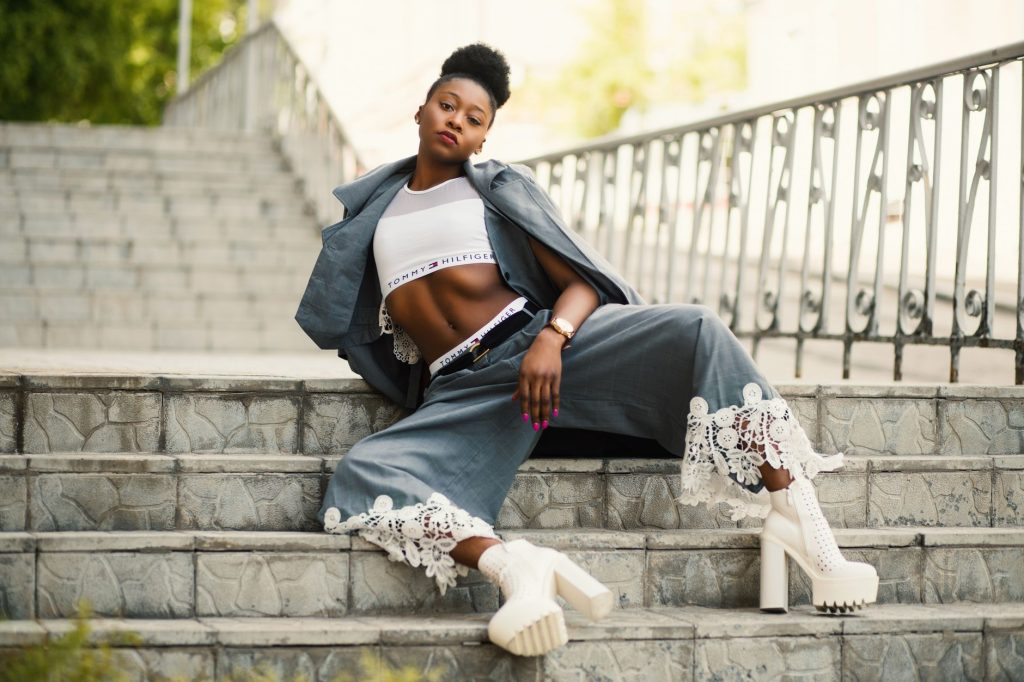
Couture represents the pinnacle of fashion design, encapsulating the artistry and craftsmanship that define high-quality garments. It is a term often bandied about within the fashion industry, yet its nuances are critical for anyone looking to understand the landscape of both designer labels and everyday styling. This article will provide an in-depth look at what couture means and how it can influence your personal style.
From the origins of the term to how it applies to modern fashion, we will explore the relevance of couture today. Whether you are looking to incorporate elements of couture into your wardrobe or simply seeking to expand your fashion knowledge, this guide will serve as a comprehensive resource.
What Is Couture?
Couture refers to high-end fashion that is custom-made for individual clients. The term originates from the French word “coudre,” which means “to sew.” This type of fashion is characterized by exquisite craftsmanship, luxurious materials, and attention to detail. Garments are hand-crafted, often taking hours, if not days, to create.
There are two main categories of couture fashion: haute couture and couture. Haute couture, governed by the Chambre Syndicale de la Haute Couture in Paris, is a protected designation that requires designers to adhere to strict standards, including garment construction, customization, and exclusivity. Couture, on the other hand, may refer to designer garments that are not officially classified as haute couture but still maintain a high level of craftsmanship.
The History of Couture
The couture tradition dates back to the mid-19th century, with Charles Frederick Worth often referred to as the father of haute couture. He was the first designer to create custom pieces that showcased not only the skills of the seamstress but also the artistic vision of the designer. Over the years, couture houses such as Chanel, Dior, and Givenchy have emerged, solidifying the status of couture as an art form.
Couture fashion has played a significant role in societal trends and cultural movements, becoming emblematic of certain eras, from the extravagant styles of the 1920s to the elegant lines of mid-century fashion. Understanding this rich history can help you appreciate the artistry involved in couture garments.
What Makes Couture Unique?
The uniqueness of couture lies in several key factors that separate it from ready-to-wear fashion:
- Custom Fit: Couture pieces are made specifically for an individual client, ensuring an impeccable fit tailored to their measurements.
- Artisan Craftsmanship: The level of craftsmanship in couture is unparalleled; designers and skilled artisans work together to produce garments that often require hundreds of hours of labor.
- Luxury Materials: Couture creations utilize the finest fabrics and embellishments, which may include silks, satins, and even rare materials not typically available in mass production.
- Limited Production: Most couture pieces are produced in limited quantities or even as one-of-a-kind items, further enhancing their exclusivity and value.
How to Incorporate Couture into Your Wardrobe
While owning a couture piece may not be realistic for everyone, there are ways to incorporate elements of couture into your wardrobe for a more elevated style. Here are some practical tips:
1. Invest in Key Pieces
Look for designer items that exemplify high-quality craftsmanship, even if they aren’t classified as couture. Investing in a well-made garment can elevate your wardrobe and provide longevity.
2. Focus on Fit
Fit is paramount in couture. Aim for clothing that fits you perfectly; consider visiting a tailor to make adjustments to ready-to-wear items. Sometimes, all it takes to make a piece look couture is a little tailoring.
3. Choose Quality Fabrics
When possible, select garments crafted from high-quality materials. Natural fibers like wool, silk, and cotton can enhance your overall look and feel. Look for garments with a luxurious feel to them.
4. Embellishments and Details
Couture garments often incorporate intricate designs and embellishments. Look for pieces with unique details such as embroidery or beadwork that can provide a couture feel.
5. Layer Creatively
Play with layers to achieve a sophisticated look. Couture is about balance; consider how different textures and lengths work together in an outfit. A structured jacket with a flowy dress can create a dynamic silhouette.
Couture vs. Ready-to-Wear: Key Differences
Understanding the distinctions between couture and ready-to-wear can help in making informed choices:
| Couture | Ready-to-Wear |
|---|---|
| Custom-made for individual clients | Produced in standard sizes |
| High degree of craftsmanship | Lower level of detail and handmade craftsmanship |
| Requires a significant investment | More affordable price range |
| Limited production, often one-of-a-kind | Mass-produced in larger quantities |
Styling Tips for Achieving a Couture Look
Even if your wardrobe doesn’t contain couture pieces, you can still emulate the refined aesthetic associated with it. Keep in mind these styling tips:
- Choose a Limited Color Palette: Stick to classic colors and avoid overly trendy hues. Classic colors such as black, navy, beige, and white convey sophistication.
- Avoid Overcrowding: Keep your outfit simple and avoid excessive layering. Less is often more when it comes to emulating a couture look.
- Accessorize Wisely: Opt for elegant jewelry or statement pieces that complement your outfit rather than overwhelm it.
- Confident Posture: Wearing your clothes with confidence can instantly elevate your look. Stand tall and embrace the grace that comes with couture-inspired fashion.
Fashion Trends Inspired by Couture
Couture influences many fashion trends, pushing the boundaries of creativity and originality. Here are some current fashion trends inspired by couture that you can incorporate into your wardrobe:
1. Romantic Ruffles
Ruffled dresses and skirts bring a dreamy, feminine touch reminiscent of couture designs. Look for pieces with ruffles along the hem or sleeves for that romantic flair.
2. Exaggerated Silhouettes
Balloon sleeves, peplum tops, and oversized silhouettes play into the couture love of bold shapes. Experiment with these eye-catching designs to achieve a couture-inspired look.
3. Luxe Fabrics
Textures such as velvet, satin, and silk are trending and can easily add a couture vibe to your outfit. Look for garments that incorporate these luxurious materials.
4. Statement Coats
A beautifully tailored statement coat can transform everyday outfits into something extraordinary. Choose coats with unique cuts or embellishments to convey an elevated style.
Accessorizing with Couture Elements
Accessories play a crucial role in creating a couture-inspired aesthetic. Here are some ways to select and style accessories:
1. Scarves
A silk scarf can add a polished touch to any outfit. Experiment with different tying techniques for versatility, and consider using it as a chic hair accessory.
2. Statement Jewelry
Go for bold pieces that catch the eye. Statement earrings or intricate necklaces can provide the artistic touch often seen in couture presentations.
3. Elegant Handbags
A well-structured handbag can elevate your look immeasurably. Opt for bags made from high-quality materials with timeless designs.
4. Footwear
Footwear should harmonize with your entire outfit. Classic pumps, elegant flats, or beautifully designed ankle boots can all provide that couture finish.
Caring for Your Couture-Inspired Pieces
Proper garment care is essential to maintain the integrity and appearance of couture-inspired pieces. Follow these care tips:
- Read Care Labels: Always check garment labels for specific washing instructions to avoid damage.
- Hand Wash or Dry Clean: Many delicate fabrics require hand washing or professional cleaning. Avoid washing machines where possible.
- Store Properly: Hang garments in breathable plastic or fabric covers to protect them from dust. Avoid overcrowding to prevent creasing.
- Inspect Regularly: Check for wear and tear, especially after events. Address any issues immediately to prolong the life of your pieces.
The Future of Couture
The future of couture is likely to embrace sustainability, technology, and inclusivity. Designers are increasingly focusing on ethical practices and eco-friendly materials, making couture more accessible and appealing to a broader audience.
As more consumers become conscious of their fashion choices, we can expect designers to reflect these values in their collections, blending traditional craftsmanship with innovative techniques.
Conclusion
Couture embodies more than just high fashion; it represents creativity, craftsmanship, and exclusivity. By understanding its principles and incorporating its elements into your style, you can elevate your wardrobe while embracing a new appreciation for fashion. Take time to research quality brands and focus on tailoring, fabrics, and details that reflect the couture aesthetic.
For further exploration of fashion topics, consider reading guides on what couture means and what haute couture is for a deeper understanding of this luxurious world.