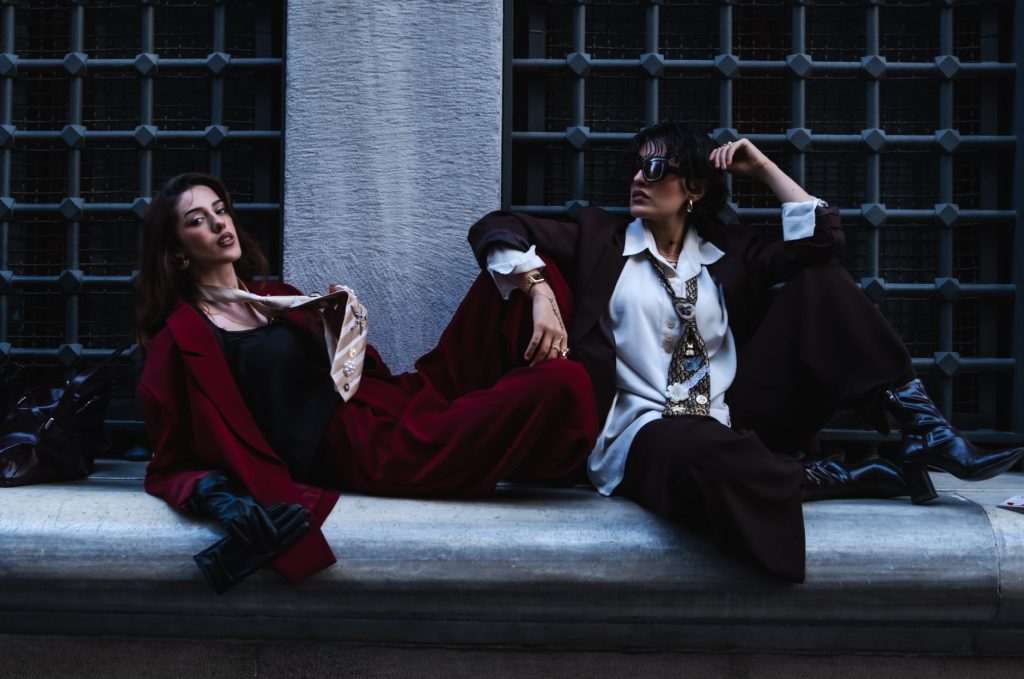
Couture, derived from the French word for “sewing” or “dressmaking,” represents a pinnacle of fashion design characterized by exclusive, custom-fitted garments. It involves intricate craftsmanship, high-quality materials, and artistic expression, often showcased in elaborate fashion shows. For many, couture is not merely about clothing; it embodies a lifestyle of luxury, prestige, and personal expression.
Understanding couture requires a deeper exploration of its history, its differences from ready-to-wear, and the significant role it plays in contemporary fashion. In this article, we will delve into the essence of couture, how it shapes personal style, and how you can incorporate elements of this high fashion into your wardrobe.
What Is Couture?
Couture refers to high fashion that is crafted with meticulous care and skill, creating one-of-a-kind garments tailored specifically for individual clients. At its core, couture emphasizes quality over quantity. Couture pieces are typically made by hand from start to finish, allowing for unique designs and the use of intricate techniques.
The History of Couture
The roots of couture can be traced back to the mid-19th century, when Charles Frederick Worth, an English designer, established the first haute couture house in Paris. Worth’s creations were revolutionary as he not only designed clothing but also created a fashion show experience, setting the standard for future designers. His focus on personalization and exclusivity set the stage for couture as we know it today.
In 1945, the Chambre Syndicale de la Haute Couture was formed to protect the term “haute couture” and set strict guidelines regarding its use. These guidelines include specific criteria such as using a minimum number of employees and offering garments made to order. Today, only a select number of fashion houses, like Chanel, Dior, and Givenchy, hold this prestigious label.
How Is Couture Different from Ready-to-Wear?
The primary distinction between couture and ready-to-wear lies in the production process and the level of personalization involved in couture pieces. Here are some key differences:
- Production Scale: Couture garments are made in limited quantities, with many being entirely unique, whereas ready-to-wear lines are produced in mass quantities.
- Customization: Couture allows for personal fittings and custom design adjustments, tailored to an individual’s body shape, preferences, and style. In contrast, ready-to-wear items are designed for general sizing.
- Quality: Couture garments often feature the highest quality fabrics and materials, as well as advanced techniques in sewing and embellishment, leading to superior craftsmanship compared to mass-produced items.
- Price: The cost of couture pieces reflects the extensive labor and materials involved, making them significantly more expensive than ready-to-wear options.
- Fashion Shows: Couture collections are typically unveiled in exclusive fashion shows that are invitation-only events, while ready-to-wear shows are more accessible and often attract a broader audience.
The Elements of Couture Design
Couture design is an art form that combines various elements to create visually stunning, wearable masterpieces. Here are some defining characteristics of couture design:
Materials and Fabrics
Couture garments utilize luxurious fabrics such as silk, lace, tulle, satin, and high-quality wool, sourced from top suppliers worldwide. Designers may employ unusual or hard-to-find materials that elevate the aesthetic and tactile experience of each piece.
Craftsmanship
The artistry involved in creating couture pieces is unparalleled. Techniques such as draping, hand-sewing, embroidery, beading, and tailoring are meticulously executed to ensure an impeccable fit and finish. Each garment is often a culmination of hundreds or even thousands of hours of work, demonstrating the dedication to craftsmanship.
Silhouette and Structure
Couture designs are known for their dramatic silhouettes and innovative shapes. Designers have the freedom to experiment with structure, often incorporating corsetry, intricate layering, and unique cuts that challenge traditional garments. This play on form is a defining feature of couture, allowing for both modern and timeless looks.
Detailing and Embellishment
One of the hallmarks of couture is the intricate detailing that goes into each piece. Designers may include hand-embroidered motifs, beaded embellishments, and sequins, transforming garments into wearable art. These details are often specific to the client’s preferences, ensuring the final piece feels personal and unique.
How to Incorporate Couture Elements into Your Wardrobe
While most of us may not be able to invest in couture garments, there are practical ways to infuse elements of haute couture into everyday style. Here are some tips:
Opt for Tailoring
One of the primary characteristics of couture is its perfect fit. Investing in tailored garments can dramatically elevate your style. Whether it’s a fitted blazer, a tailored pair of trousers, or a beautifully structured dress, bespoke tailoring adds a touch of sophistication and ensures a silhouette that flatters your body.
Choose Quality Fabrics
Incorporating high-quality materials into your wardrobe does more than provide a luxurious feel; it enhances the overall aesthetic of your outfits. Look for clothing made from natural fibers such as silk, wool, cashmere, or linen. They typically wear better over time and offer a more polished look compared to synthetic options.
Add Subtle Embellishments
You can embrace the spirit of couture through thoughtful embellishments. Choose pieces that feature delicate details like embroidery, lace trims, or beading to add interest and elegance. Opt for a blouse with intricate detailing or a pair of shoes adorned with statement heels to elevate your outfit.
Mix High and Low
High fashion can coexist with budget-friendly pieces. Mix couture-inspired items with more affordable clothing to create a balanced look. For instance, pair a designer bag or shoes with jeans and a basic tee for an effortlessly chic ensemble. This approach allows you to enjoy the essence of couture without a complete luxury investment.
Invest in Statement Pieces
Couture often emphasizes unique design and individuality. Look for statement pieces that reflect your personal style and can be the focal point of your outfit. A striking coat, eye-catching dress, or distinctive accessory can transform a basic ensemble into a stylish masterpiece.
Couture and Fashion Trends
Couture frequently influences broader fashion trends seen on runways and in ready-to-wear collections. Designers often draw inspiration from couture aesthetics, showcasing elements such as exaggerated silhouettes, unexpected color combinations, and luxurious fabric pairings in their collections. Keeping an eye on couture can help you stay ahead of emerging style directions.
Seasonal Couture Trends
Couture trends can change with the seasons, just like ready-to-wear. Analyzing couture collections can provide insights into how designers approach new textures, colors, and styles for the upcoming seasons. Following seasonal runway shows can lead to notable trends in areas like:
- Color Schemes: Couture often sets the tone for seasonal colors. For instance, you might see rich jewel tones for fall or light pastels for spring, which then filter down into ready-to-wear.
- Silhouettes: Designers may introduce new shapes that gain traction in everyday fashion, such as voluminous skirts or structured shoulders. Keeping an eye out on the falling skirt lines can inspire your own wardrobe choices.
- Fabric Usage: Watch for how textures like velvet, silk, or sheer fabrics are used prominently in couture, which could signal a transition to these materials in mainstream collections.
Couture Dress Codes
Couture pieces can go beyond everyday wear and serve as perfect options for formal events. Understanding how to style haute couture elements for specific dress codes can help you navigate various social settings.
Black Tie Events
For black-tie events, consider a fully tailored gown or a sophisticated tuxedo. Couture elements may include exquisite detailing, luxurious fabrics, and striking silhouettes that embody elegance. Opt for understated jewelry to keep the focus on the masterpiece of your outfit.
Cocktail Attire
Cocktail attire permits a more playful exploration of couture elements. Choose a cocktail dress that features unique designs or bold colors, complemented with stylish heels and a chic clutch. You can mix high-fashion styles without sacrificing comfort, making it suitable for social gatherings.
Business Formal
In a business formal setting, explore structured pieces that offer sophistication. A tailored suit or a fitted dress adorned with subtle couture details can elevate your professional attire. Avoid overly loud colors and instead lean towards classic tones, highlighting the luxurious materials and precise tailoring.
Fashionable Accessories With Couture Flair
Accessories can significantly influence an outfit’s overall feel. Selecting statement accessories that resonate with couture aesthetics can enhance and complete your look. Here are some suggestions:
Handbags
Look for handbags that showcase unique designs, such as structured shapes or distinctive textures. High-quality materials, such as leather or canvas with unexpected details like embroidery or beading, can add an air of sophistication and artistry to your outfit.
Shoes
Invest in shoes that blend comfort with elegance. Consider styles that feature bold embellishments or unique shapes that reflect haute couture principles. A statement heel can transform a standard outfit into something fashionable and noteworthy.
Jewelry
Accessorizing with jewelry allows for personal expression. Consider pieces that are artistic and luxurious, such as bold earrings or statement necklaces with intricate design. If understated elegance is more your style, explore delicate chains or minimalist rings that add just enough flair.
The Future of Couture
The couture landscape is evolving, with a growing emphasis on sustainability and inclusivity. Designers are increasingly focusing on eco-friendly materials and practices while drawing from diverse cultural influences. This shift allows couture to remain relevant, engaging a broader audience with contemporary themes.
As more designers embrace sustainable practices, incorporating aspects of eco-conscious fashion into haute couture may resonate with socially conscious consumers, creating a new niche for luxury fashion. Innovations in fabric technology and ethical sourcing will continue to shape the market and redefine couture in the years to come.
Caring for Couture Garments
Investing in couture means understanding how to properly care for your garments. Following these guidelines ensures longevity and maintains the integrity of these exquisite pieces:
- Read Care Labels: Always check the care label within the garment to ascertain specific washing and cleaning instructions.
- Dry Clean: Most couture garments require professional cleaning. Take them to a trusted dry cleaner experienced with delicate fabrics.
- Storage: Store couture pieces in breathable garment bags to protect them from dust and light. Avoid hanging on non-padded hangers to prevent stretching.
- Avoid Moisture: Keep garments away from humidity and damp conditions, as this can lead to fabric deterioration.
- Regular Checks: Periodically inspect for any signs of wear or damage, addressing them promptly to avoid further issues.
Understanding what couture means and how it plays a significant role in fashion can empower individuals to appreciate and incorporate these luxurious elements into their personal styles. Couture embodies artistry, craftsmanship, and individuality, offering something extraordinary, from timeless elegance to fashion-forward trends.
This exploration of couture reveals its critical essence in shaping personal style and understanding fashion’s evolution. By thoughtfully engaging with couture elements, you can elevate your fashion choices and embrace the artistry behind exquisite clothing.
To further explore your fashion journey, check out our guides on the Met Gala and Cocktail Attire for additional style insights and tips.