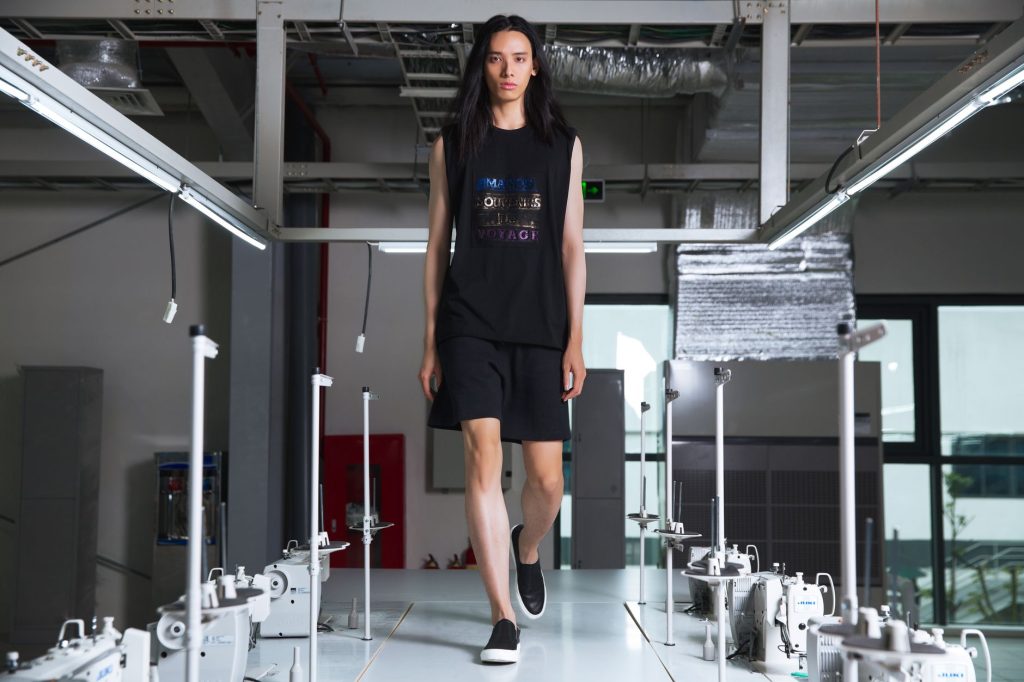
Understanding a model’s runway walk is crucial not only for aspiring models but also for anyone interested in fashion. The runway walk embodies the essence of the collection showcased, influencing how garments are perceived and embraced by the audience. It’s an art form that combines poise, personality, and fashion expertise, making it an integral part of fashion shows globally.
This article will unpack the elements that define a model’s runway walk, offer insights on tips to improve one’s own walk, and connect the art of walking with the clothing presented. Whether you’re an aspiring model or simply fascinated by fashion, this guide is packed with practical advice.
What Is a Model’s Runway Walk?
A model’s runway walk is a unique combination of posture, steps, and rhythm that communicates the designer’s vision and style during a fashion show. When done well, it enhances the garments, allowing the audience to appreciate the design from different angles and in motion.
The most identifiable traits of a runway walk include a straight posture, confident strides, and deliberate movements that highlight the clothing’s flow and fit. This is not a casual stroll; it’s a performance carefully choreographed to create impact.
The Elements of a Runway Walk
A superb runway walk is comprised of several essential elements that contribute to its overall effectiveness:
- Posture: A straight back, relaxed shoulders, and a confident head position set the tone for the walk.
- Step: The model should take long, purposeful strides, maintaining an even pace to attract attention to the outfit.
- Arm Movement: Arms should move naturally, adding to the fluidity without distracting from the clothing.
- Facial Expressions: A neutral or confident expression engages the audience while showcasing the look.
- Footwear: The choice of shoes affects the walk, requiring practice to master the balance and height of heels.
How to Develop a Runway Walk
For those looking to refine their own runway walk, practice is key. Here’s a step-by-step guide on how to achieve the perfect strut:
1. Start with Posture
Begin by standing tall with your shoulders back and hips aligned. Strengthening core muscles through exercises like planks or yoga can enhance your posture significantly. Good posture is the foundation of a confident runway walk.
2. Practice Your Steps
While walking, focus on your steps—take long strides while keeping your knees straight. Avoid shuffling; instead, glide across the floor. Practicing on various surfaces can help you get accustomed to different heel heights and shoe types.
3. Arm Movement
Let your arms fall naturally at your sides or gently bend your elbows. Practice walking while swinging your arms slightly with your strides to maintain balance. Ensure your arm movements feel effortless, not stiff.
4. Determine Facial Expressions
Depending on the mood of the collection, your expression may vary. Practice in front of a mirror to find facial expressions that feel authentic yet showcase confidence.
5. Footwear Matters
Getting comfortable in heels can transform your walk. Gradually practice walking in different styles, focusing on maintaining balance and poise.
Different Styles of Walking
Not every runway walk is the same; different designers or styles may opt for unique approaches. Here are a few variations:
1. High Fashion vs. Commercial
High fashion models typically have exaggerated movements and more artistic expressions, enhancing avant-garde themes. In contrast, commercial models focus on relatability and may employ softer, more approachable walking styles.
2. Sporty Walk
For sportswear collections, a more dynamic, energetic walk is often utilized to reflect activity and movement. This walk may include bouncing, making the garments appear lively.
3. The Couture Strut
Couture collections often require models to showcase intricate designs. The walk may be slower, allowing for every detail to be seen, emphasizing the luxury of the fabric and design.
The Role of Confidence
Confidence is paramount when it comes to a model’s runway walk. Here’s how to build that confidence:
1. Self-Acceptance
Embrace your body, shape, and style. Confidence stems from acceptance; understanding that every model has a unique appeal will help you walk with assurance.
2. Mindfulness and Relaxation
Incorporate mindfulness practices into your routine. Techniques such as deep breathing or meditation can calm pre-show jitters, enhancing your overall presence on the runway.
3. Practice, Practice, Practice
Regular practice in front of mirrors or friends can help iron out nerves. Familiarity with the walk allows for ownership and confidence in your movement.
Seasonal Considerations for Runway Walking
The season can influence how a model walks—here’s how:
Spring/Summer
Brighter colors and flowing styles dominate the spring and summer collections. Models may adopt lighter, airy steps that mirror the garments’ breathability.
Fall/Winter
In chillier months, the emphasis often shifts to layering and heavier fabrics. A more grounded walk can reflect the weight of the garments, ensuring each piece is showcased appropriately.
Outfit Ideas for Capturing the Runway Look
Every model’s runway walk is enhanced by the right outfit. Here are some outfits to embody that runway spirit:
- Classic Look: A well-fitted blazer, tailored trousers, and stiletto heels offer a timeless look perfect for both the office and an evening out.
- Effortless Chic: A flowy midi dress paired with ankle boots is perfect for embodying a modern runway vibe that’s both casual and sophisticated.
- Sporty Edge: Consider high-waisted joggers, a cropped hoodie, and sleek sneakers for a sporty yet fashionable take that feels runway-ready.
Accessories and Footwear to Enhance Your Walk
Accessorizing can elevate the runway walk significantly. Here’s how:
1. Footwear
The right shoes can enhance your posture and confidence. Styles like ankle boots or classic pumps can add height and elegance, but ensure comfort for smooth movement.
2. Accessories
Elevate your outfit with vibrant scarves or statement jewelry, which not only complements your look but also draws attention and adds to your overall character.
Wardrobe Essentials for a Model’s Style
A well-curated wardrobe is crucial for capturing the effortless look of a model. Here’s a guide to essential pieces:
- The Crisp White Shirt: A versatile piece for chic layering or standalone elegance.
- Tailored Blazer: Adds polish to any outfit, easy to dress up or down.
- Classic Denim: Invest in a good pair of tailored jeans that work from day to night.
- Statement Dresses: A few impactful dresses can serve as go-to options for various occasions.
Sustainable Fashion and Conscious Choices
The fashion industry is increasingly leaning towards sustainability. Models often represent brands that prioritize eco-friendly practices. Consider these choices:
1. Ethical Brands
Look for brands committed to fair labor practices and sustainable materials. Research iconic eco-conscious labels that evolve with the changing fashion landscape.
2. Capsule Wardrobes
Creating a capsule wardrobe helps in curating a sustainable closet. Choose timeless items that can interchange, thus reducing waste while maintaining your stylish appearance.
Conclusion and Next Steps
Mastering the model’s runway walk is about confidence, practice, and understanding the garments being worn. Whether you’re aspiring to step on a runway or simply want to strut your style each day, the principles learned here can elevate your personal aesthetic.
For further reading on your journey through fashion, check out guides on how to become a model at How to Become a Model and explore the fundamentals of fashion modeling at What is Fashion Modeling.