Fashion is a deeply personal expression of identity, culture, and values, and for Muslim women, clothing can hold special significance. Understanding what Muslim women wear involves exploring various traditional and contemporary styles, influenced by cultural diversity, climate, and personal choice.
This article will provide an overview of the different garments commonly worn, styling tips, seasonal adaptations, and advice on creating versatile wardrobes that respect modesty while allowing for personal flair.
What Do Muslim Women Wear?
Muslim women wear a wide array of garments that prioritize modesty and comfort while incorporating cultural and personal style preferences. Common styles include hijabs, abayas, and kurtas, along with countless variations and combinations that make each outfit unique.
Understanding these garments can help to appreciate the blend of tradition and modernity, and how they play a significant role in the lives and identities of Muslim women worldwide.
Common Garments for Muslim Women
The diversity of Muslim women’s fashion is reflected in the garments typically worn, which often vary based on cultural background, personal preference, and occasion. Here are some of the most common pieces:
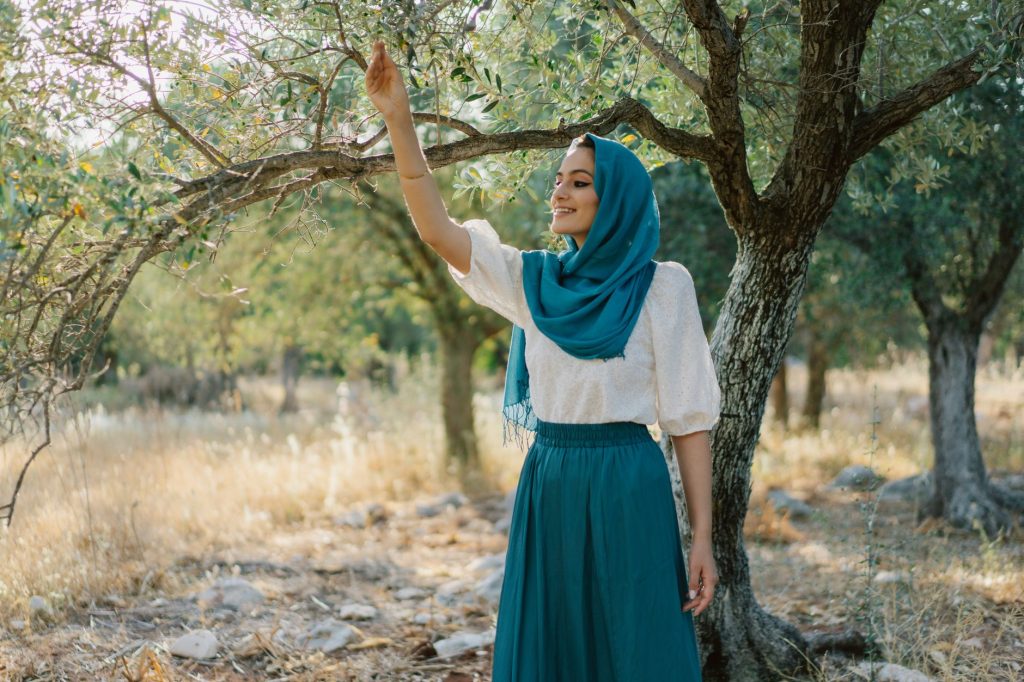
- Hijab: A headscarf that covers the hair and neck, the hijab is probably the most recognizable garment. It comes in various fabrics, colors, and styles, allowing for personal expression.
- Abaya: A loose-fitting cloak worn over other clothes, the abaya is often made from lightweight or flowing fabrics and can be found in numerous styles, from simple to highly decorated.
- Kaftan: A loose, long garment that often features intricate designs, kaftans are versatile and can be worn as casual wear or for special occasions, depending on their embellishments.
- Kurta: This traditional tunic, typically paired with pants or leggings, is often worn for both casual and formal settings. Kurtas come in various lengths, from knee-length to floor-length.
- Jilbab: A long outer garment that covers the body, similar to the abaya, but often more tailored. Jilbabs can be worn over regular clothes and come in various styles and shapes.
Styling Tips for Everyday Wear
1. Layering
Layering is an effective way to create dimension in an outfit while maintaining modesty. Consider pairing a long-sleeved shirt under a sleeveless dress or wearing a kimono over a blouse and trousers.
2. Play with Fabrics
Different fabrics can dramatically change the mood of an outfit. Look for breathable materials like cotton and linen for hot weather, while heavier fabrics like wool or knit are suitable for colder months. Mixing these textures can also add sophistication.
3. Color Coordination
Choosing a cohesive color palette can simplify outfit assembly. Neutral colors serve as a great foundation. You can add pops of color through accessories such as hijabs, belts, or shoes.
4. Accessorize Wisely
Accessories play a crucial role in personalizing outfits. Consider statement necklaces, elegant earrings, or stylish handbags to elevate your look. Just remember to maintain balance; if your outfit is already vibrant, opt for more subdued accessories, and vice versa.
5. Footwear Choices
The right footwear can make a significant difference in style and comfort. Aim for versatile shoes like ballet flats, loafers, or ankle boots that can complement various outfits. For warmer days, consider stylish sandals that offer comfort without sacrificing elegance.
Seasonal Styling Considerations
Clothing choices can also change with the seasons; modifying your wardrobe for winter, spring, summer, and fall can help keep you stylish and comfortable throughout the year.
Summer Styles
In the warmer months, look for breathable fabrics and loose-fitting garments to ensure comfort. Light-colored hijabs can help keep you cool while adding a fresh touch. Flowy maxi dresses paired with sandals can be both elegant and practical.
Autumn Outfits
Layering becomes essential during autumn. Pair longer cardigans or blazers with your outfits for added warmth. Scarves made from cozy materials can add both style and comfort. Consider earth tones or rich jewel tones for an autumnal palette.
Winter Wardrobe Essentials
In winter, it’s about finding cleverly layered outfits. Turtlenecks under dresses or structured coats over tunics create warmth while remaining stylish. Opt for thicker fabrics and don’t shy away from stylish boots or ankle-length shoes to keep your feet warm.
Spring Pieces
Spring often calls for floral patterns and lighter colors. A long kimono paired with a fitted dress creates a chic and approachable look for day outings. Mix and match your hijabs with floral or pastel colors to reflect the season’s renewal.
Wardrobe Essentials for Muslim Women
Building a wardrobe comprising essential pieces can make dressing easier and more enjoyable. Here’s a list of wardrobe staples that are versatile and stylish:
- Lightweight and breathable hijabs in various colors
- Classic abayas for casual and formal occasions
- Stylish kaftans for summer outings and events
- A selection of long-sleeved tops
- Quality leggings and palazzo pants for comfort and style
- A selection of simple and patterned kurtas
- A well-fitted long coat or trench for layering
- Comfortable yet chic footwear
- Basic accessories like belts, bags, and jewelry to enhance outfits
Understanding Dress Codes in Various Contexts
Muslim women may encounter a range of dress codes depending on cultural, formal, or religious contexts. Understanding these can assist in making appropriate choices:
Everyday Casual
For everyday casual settings, opt for comfortable and relaxed ensembles. Long tunics, loose tops paired with trousers or jeans, and simple accessories create a chic yet effortless look.
Work Attire
For professional environments, aim for tailored pieces like blazers over blouses, paired with dress pants or skirts that fall to at least the knee. Neutral colors paired with subtle patterns often exude professionalism.
Formal Occasions
For formal gatherings, richer fabrics like silk or satin come into play. Opt for elegantly designed abayas or kaftans, complemented with statement jewelry. Don’t hesitate to embrace bold colors or intricate designs for special occasions.
Cultural Events
At cultural celebrations, traditional garments such as beautifully embroidered dresses or intricately designed hijabs are often preferred. Emphasizing rich colors and patterns embodies cultural heritage and pride.
Embracing Sustainable Fashion
The fashion industry is evolving, and sustainable practices are becoming increasingly important. Muslim women can actively contribute to a more sustainable fashion future by considering the following:
- Invest in quality over quantity: Focus on durable pieces that last longer rather than fast fashion items that quickly wear out.
- Choose sustainable materials: Look for clothes made from organic or recycled fabrics that have a lower environmental impact.
- Support ethical brands: Consider brands that prioritize fair labor practices and transparency in their supply chains.
- Shop second-hand: Thrift stores and online platforms for pre-loved clothing can provide unique finds while promoting recycling.
- Encourage local artisans: Supporting local designers and craftspeople not only helps the economy but promotes the appreciation of cultural fashion.
Fashion Trends for Muslim Women
The world of fashion is continually evolving, and Muslim women are certainly no exception. Keeping abreast of trends while staying true to personal style is key. Here are some notable trends:
Modest Athleisure
The blending of modest fashion with activewear has resulted in stylish athleisure that is both functional and fashionable. Think high-waisted leggings paired with long tunics and sleek sneakers.
Layered Accessories
Layering jewelry is becoming increasingly popular. Stack those bangles, wear layered necklaces, or combine several scarves for a pop of style.
Statement Hijabs
Hijabs are not just functional but have become a canvas for fashion statements. Look for unique prints, textures, and embellishments that make the hijab a key focal point in your outfit.
High-Quality Basics
Investing in high-quality basics that offer versatility is a trend that continues to grow. Timeless pieces can be styled in numerous ways, facilitating countless outfits.
Fabric and Garment Care
Caring for garments properly not only extends their lifespan but ensures they continue to look great over time. Here are some essential fabric care tips:
- Check the care label for specific washing instructions.
- Opt for gentle cycles and cold water when machine washing to preserve color and fabric integrity.
- Air drying is recommended for delicate fabrics to prevent shrinking and damage from heat.
- Store garments in a cool, dry place, ideally folded or hanging to prevent wrinkles.
Shopping for Muslim Women’s Fashion
When shopping for modest fashion, consider these guidelines to help you make informed choices:
- Seek versatility: Look for pieces that can be styled in multiple ways to maximize their wearability.
- Prioritize fit: Ensure garments fit well. Tailoring options are helpful for achieving the perfect fit.
- Stay updated: Follow modest fashion influencers and brands on social media for current trends, styling ideas, and exclusive sales.
- Explore local markets: Local artisans often create unique pieces that can add a distinctive touch to any wardrobe.
What Muslim women wear is a profound expression of individuality, tradition, and empowerment. By weaving together cultural elements with modern-day styles, Muslim women showcase their unique identities in every outfit they wear.
As you explore the vast world of modest fashion, remember that comfort, confidence, and personal expression are your best allies on this sartorial journey.
For further inspiration, explore our guides on what is a kimono or what is a caftan. Each of these articles delves into distinct styles that can enrich your wardrobe while respecting individual expression.