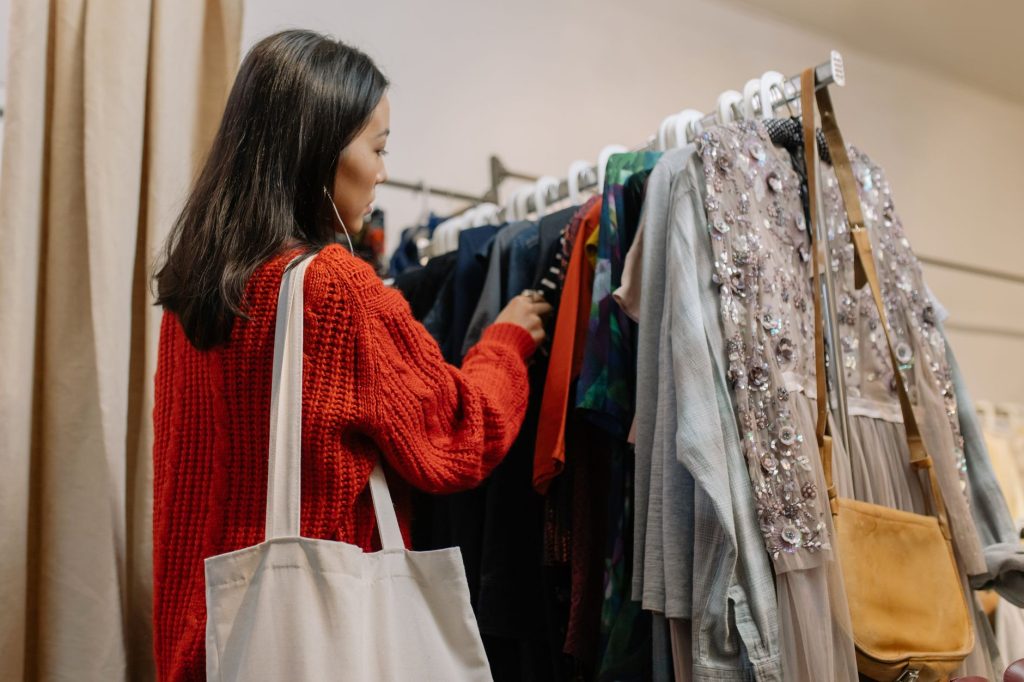
Fast fashion has transformed the fashion industry by introducing affordable, trendy garments at breakneck speed. However, beneath the surface lies a myriad of problems that impact the environment, labor conditions, and consumer habits. Understanding why fast fashion is detrimental can empower consumers to make more informed choices and encourage a shift toward sustainability.
This article will explore the various ways fast fashion harms our planet, society, and personal style, while providing practical tips for building a more ethical and sustainable wardrobe. By critically analyzing fast fashion, we can uncover alternatives that champion quality over quantity.
Why Is Fast Fashion Bad?
Fast fashion is detrimental for several reasons, including its environmental impact, poor labor practices, and promotion of a culture of disposability. The rapid production cycles lead to excessive waste, resource depletion, and unfair working conditions for garment workers. Additionally, the constant craving for new trends fosters an unsustainable consumer mindset, which affects how we value clothing.
The Environmental Toll of Fast Fashion
The fashion industry is one of the largest polluters globally, with fast fashion playing a significant role. Here are some key environmental concerns associated with this practice:
Resource Depletion
- Water Consumption: The production of cotton, a common fabric in fast fashion, requires copious amounts of water. For instance, it can take over 7,000 liters of water to make just one pair of jeans.
- Energy Use: Factories that produce fast fashion garments require significant energy, much of which comes from non-renewable sources, contributing to greenhouse gas emissions.
Waste Generation
- Landfill Overflow: Fast fashion contributes to approximately 92 million tons of textile waste generated worldwide each year, much of which ends up in landfills.
- Microplastics: Synthetic fabrics shed microplastics during washing, polluting water systems and harming marine life.
Pesticides and Chemicals
The textile industry uses chemical fertilizers and pesticides in cotton production, which can lead to soil degradation and water contamination. Fast fashion perpetuates the use of toxic substances, jeopardizing both environmental health and working conditions.
Labor Practices in Fast Fashion
Behind the allure of low-cost clothing lies a dark reality regarding labor practices. Fast fashion often relies on exploiting workers in developing countries. Here’s why these practices are concerning:
Unfair Wages
Many garment workers earn only a fraction of a living wage, which fails to cover basic needs such as food, healthcare, and education. This exploitation often perpetuates cycles of poverty in their communities.
Poor Working Conditions
In pursuit of low production costs, brands frequently overlook safety regulations. Workers may face hazardous conditions, long hours, and lack of basic rights, including the right to unionize. Documented tragedies, such as factory collapses, highlight this critical issue.
The Culture of Disposability
Fast fashion promotes a mentality of disposability, leading consumers to view clothing as a temporary commodity rather than valuable pieces for their wardrobes.
Short Lifespan of Trends
As trends change rapidly, so does consumer behavior. Shoppers become accustomed to discarding clothes after a few wears, contributing to waste and undermining the value of quality apparel.
Overconsumption
The constant influx of new styles encourages impulsive buying, often resulting in overcrowded closets filled with items that may never be worn. This not only places financial strain on individuals but also fosters a relentless cycle of overconsumption.
Choosing Sustainability: Alternatives to Fast Fashion
Now that we understand the issues surrounding fast fashion, it’s essential to explore alternatives that promote sustainability and ethical fashion choices.
Invest in Quality over Quantity
Instead of buying numerous low-cost garments, focus on investing in high-quality pieces that will last. Look for brands that prioritize craftsmanship, timeless design, and durable materials.
Embrace Secondhand and Vintage Shopping
- Shopping secondhand extends the life of clothing and reduces textile waste. By choosing thrift stores, consignment shops, or online resale platforms, you can find unique items while promoting sustainability.
- Vintage pieces often carry stories and character, allowing for a more personalized wardrobe that stands out from mass-produced fashion.
Support Sustainable Brands
Look for brands that prioritize ethical practices, environmentally friendly materials, and fair labor conditions. Researching the company’s mission and values can help you align your purchases with your ethical beliefs.
Building a Capsule Wardrobe
A capsule wardrobe is an excellent way to streamline your closet, reduce waste, and encourage mindful shopping. Here’s how to create one:
Select Key Pieces
- Wardrobe Essentials: Begin with versatile staples such as a fitted white shirt, tailored trousers, a classic black dress, and quality jeans.
- Layering Options: Include a lightweight blazer, denim jacket, or cardigan that can transition across seasons.
- Accessorizing: Invest in timeless accessories like a structured tote, a good pair of shoes, and statement jewelry to enhance outfits.
Seasonal Considerations
Each season should inspire refreshment of your capsule wardrobe. Swap out items based on climate while keeping key pieces consistent. This not only retains style but also emphasizes the versatility of your selected staples.
Mix and Match
Focus on selecting pieces that can be easily mixed and matched to create various looks. This practice extends the use of each item, fostering a more sustainable approach to fashion.
Caring for Your Clothes
Proper garment care is crucial for maintaining the longevity of your clothing, ultimately reducing waste. Here are essential care tips:
Washing
- Always follow the care label instructions, adjusting your washing habits to preserve fabric quality.
- Wash clothes in cold water and on gentle cycles when possible to minimize environmental impact.
Storage
Store your clothes in a cool, dry place away from direct sunlight to prevent fading and degradation. Use padded hangers for delicate items and fold heavier garments to avoid stretching.
Repair, Don’t Discard
Before considering throwing away a torn or damaged garment, assess whether it can be repaired. Sewing on a button, patching holes, or even repurposing old garments can extend their life and reduce waste.
Conclusion: A Call for Conscious Fashion Choices
As consumers, we have a choice in how we approach fashion. By understanding the negative impacts of fast fashion and taking steps toward more sustainable practices, we can influence the industry more positively. Whether it’s through investing in quality pieces, shopping secondhand, embracing capsule wardrobes, or caring for our garments responsibly, every small change contributes to a broader movement.
Start by exploring ethical brands and vintage shops to gradually reshape your wardrobe into a more sustainable collection. This conscious approach not only benefits the environment but also enhances your personal style, leading to a more thoughtful and fulfilling relationship with fashion.
For more insights into ethical fashion practices, check out our articles on what fast fashion really is and if Uniqlo fits the fast fashion model. Each step towards sustainable fashion is a step towards a healthier planet.