Embarking on a modeling career can feel like a daunting task, but with the right guidance and preparation, you can navigate this exciting path. Whether you dream of gracing magazine covers, walking runways, or becoming a social media influencer, understanding the nuances of the industry is essential.
In this article, we will explore practical strategies, essential tips, and steps to help you launch your modeling career. You’ll learn about building your portfolio, networking effectively, and honing your personal style to stand out in this competitive field.
How To Start A Modeling Career?
To start a modeling career, you should first identify your niche, build a professional portfolio, and network within the industry. Research modeling agencies, create an online presence, and generally keep developing your skills. This approach can pave the way for opportunities in modeling.
Understanding Different Types of Modeling
Before diving into the world of modeling, it’s crucial to understand the various types available. The field is diverse, catering to different looks, sizes, and styles.
- Fashion Modeling: Focuses on high fashion and editorial work, often requiring tall stature and specific body measurements.
- Commercial Modeling: Includes print ads, commercials, and product placements. It is more inclusive regarding body type and height.
- Plus-Size Modeling: Celebrates larger body sizes, promoting body positivity and inclusivity in fashion.
- Fitness Modeling: Emphasizes health and fitness, showcasing athletic wear and lifestyle products.
- Runway Modeling: Involves displaying clothing on the runway during fashion shows, requiring confidence and presence.
- Parts Modeling: Specializes in modeling specific body parts, such as hands, feet, or legs, for campaigns that focus on these attributes.
- Influencer Modeling: Combines traditional modeling with social media presence, promoting brands through personal style and engagement.
Building Your Portfolio
A strong portfolio is essential to kickstart your modeling career. It showcases your versatility and style to potential clients and agencies.
Choosing a Photographer
Investing time in finding the right photographer can make a significant difference. Look for someone who specializes in fashion photography and has experience in creating portfolios for models.
Outfit Selection
Your portfolio should demonstrate a range of looks. Consider incorporating:
- Casual wear for lifestyle shoots
- High-fashion outfits to showcase versatility
- Swimwear or fitness wear for specific niches
- Unique accessories to add flair
Location and Concept
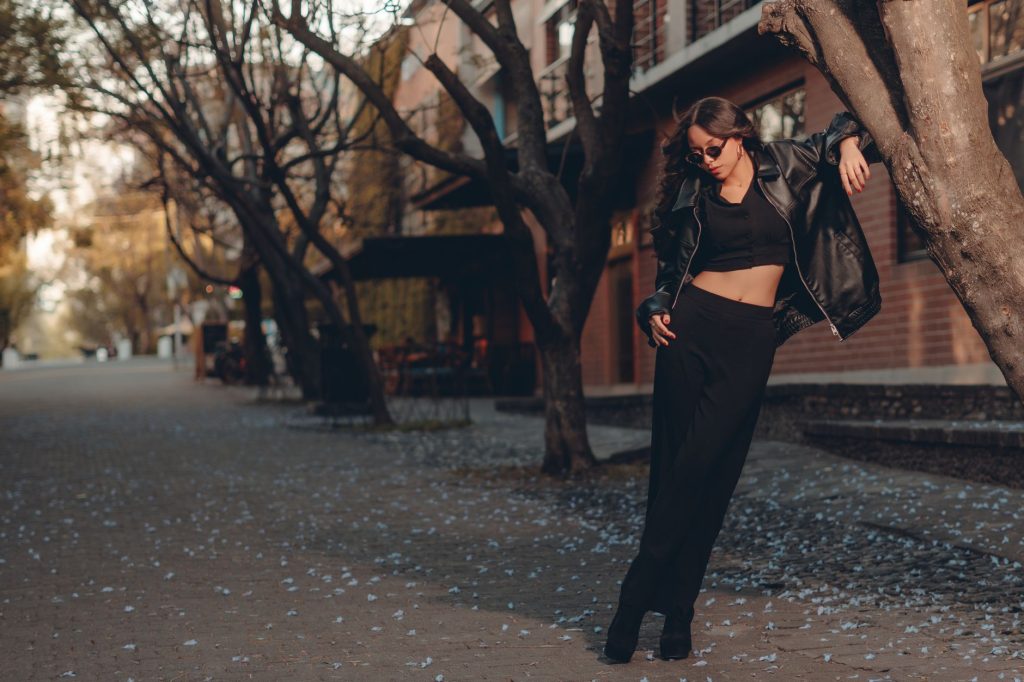
Choose locations that complement your outfits and involve engaging concepts. Urban settings can convey a trendy vibe, whereas natural backdrops offer a softer, more organic feel. Collaboration with your photographer can enhance the creative process.
Finding Modeling Agencies
Partnering with a reputable modeling agency can open doors to various modeling opportunities. Here’s how to find the right agency for you:
Research Agencies
Investigate agencies that align with your modeling niche. Reputable agencies will have a solid track record and a professional online presence.
Prepare Your Submission
Most agencies request submissions via their websites. Prepare the following:
- Clear, high-quality images
- A brief bio detailing your interests and experience
- Your measurements (height, weight, bust, waist, hips)
Be Cautious of Scams
While searching for agencies, be wary of scams. Legitimate agencies do not require upfront fees or charge for representation. Always research and read reviews.
Networking in the Industry
Networking is fundamental in the modeling world. Building relationships can lead to collaborations, opportunities, and mentorships.
Attend Industry Events
Participating in fashion shows, trade shows, and modeling workshops allows you to meet industry professionals. Networking at events can lead to valuable connections.
Utilize Social Media
Building a strong online presence is essential. Consider the following platforms:
- Instagram: Share your modeling shots, engage with brands, and join modeling communities.
- LinkedIn: Connect with industry professionals, agencies, and photographers.
- Facebook: Participate in modeling groups to gather insights and opportunities.
Developing Your Personal Style
A unique personal style can help you stand out in a crowded field. Here are some tips to define and refine your look:
Wardrobe Essentials
Having a versatile wardrobe is key. Invest in essential pieces that can mix and match seamlessly:
- A classic white button-up shirt
- Tailored blazers for a polished look
- Denim jeans and skirts for casual shoots
- Statement accessories
Stay Updated with Trends
Understanding current fashion trends can help you adapt your style. Follow fashion magazines, blogs, and social media influencers to stay informed.
Honing Your Skills
Modeling requires more than just a pretty face. Developing skills can enhance your marketability.
Pose Practice
Practice different poses in front of a mirror. Capture your angles to find what works best for you.
Confidence Building
Confidence is key in modeling. Consider taking classes in public speaking or performing arts to boost your self-assurance.
Grooming and Maintenance
Taking care of yourself is vital in the modeling industry. Consider these grooming tips:
- Maintain healthy skin through a consistent skincare routine.
- Keep your hair well-groomed and styled.
- Wear minimal makeup unless for specific shoots.
Building Your Online Presence
In today’s digital age, having an online presence is non-negotiable. Here are ways to showcase yourself:
Create a Website
Having a personal website allows you to organize your portfolio, bio, and contact information professionally.
Engaging Content
Create content that reflects your personality and modeling journey. Consider blogging or vlogging about your experiences, tips, and fashion inspirations.
Preparing for Casting Calls
Receiving a call for a casting can be thrilling yet nerve-wracking. Here’s how to prepare:
Research the Client
Understand the brand or photographer you’re auditioning for. It helps tailor your approach and showcase how you fit into their vision.
Dress Appropriately
Arrive at casting calls dressed modestly, typically in fitted clothing that showcases your figure (avoid flashy outfits).
Understanding the Business Aspect
Modeling is an industry, and understanding its business side is essential for long-term success.
Contracts and Compensation
Familiarize yourself with contracts and industry standards. Understand how compensation works, including hourly rates and job fees.
Insurance and Finances
Consider investing in personal insurance to protect your career. Create a financial plan for managing fluctuating income.
The Importance of Persistence
Modeling can be challenging, filled with ups and downs. It’s essential to remain persistent and resilient.
Handling Rejection
Your Next Steps
As you embark on your modeling journey, follow these actionable steps:
- Identify your niche and preferred modeling type.
- Build a professional portfolio with a variety of looks.
- Research and submit to agencies that align with your career goals.
- Network with industry professionals both online and offline.
- Continue developing your personal style and modeling skills.
Starting a modeling career requires dedication, passion, and a strategic approach. By following these guidelines, you can pave the way for a successful venture in the modeling industry. Embrace your unique style and bring your vision to life on this exciting journey!
For further guidance, explore additional resources such as how to become a model at this guide and tips on getting into modeling with no experience at this article.