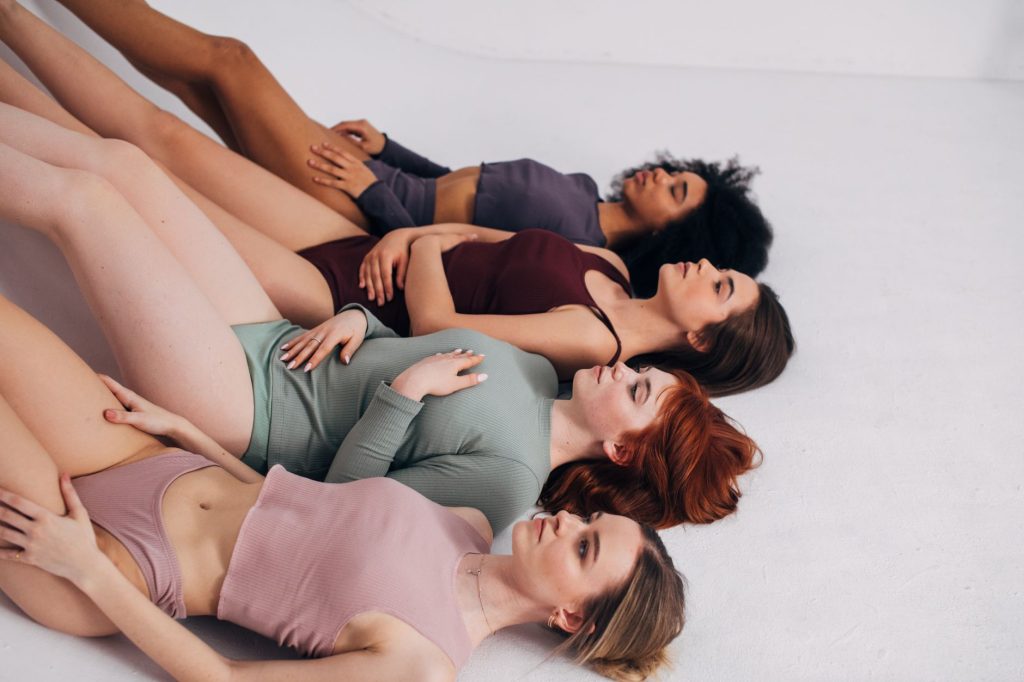
Understanding a model’s body type involves more than just looking at the physical attributes of models on runways or in advertisements. It encapsulates a broader understanding of body shapes and proportions as well as how these elements influence fashion. This article will explore the common body types of models and provide styling tips that can help everyone embrace their unique shape.
Whether you’re inspired by the sleek lines of high fashion or the more accessible styles seen in everyday wear, knowing how to navigate the fashion world based on your body type can empower you to cultivate a personal style that reflects who you are. Let’s delve into the different model body types and how to style for each.
What Is A Model’s Body Type?
A model’s body type typically refers to the specific proportions and shapes that are commonly seen in the modeling industry. While there is no one-size-fits-all definition, models often fall into categories such as tall and lean, curvy, athletic, petite, or plus-size. The key is to understand that these body types represent a spectrum rather than rigid classifications.
This categorization aids designers and stylists in selecting the right garments that best highlight the model’s form. The underlying principle is that different body types may suit different styles, cuts, and fits. Therefore, embracing these variations can help individuals make informed fashion choices for their own silhouettes.
Common Model Body Types
Tall and Lean
This body type is often characterized by a slender frame, long limbs, and typically, a height of over 5’9″. Tall and lean models work well with high fashion, as they can showcase garments with elaborate designs and structural elements. Here are styling tips to consider:
- Opt for Bold Patterns: Stripes, geometric designs, and big floral patterns bring life to longer frames.
- Play With Layers: Layering pieces like lightweight jackets, crop tops, and skirts can enhance proportions.
- Tailored Fit: Structured clothing that hugs the body can accentuate a lean figure beautifully.
- High-Waisted Bottoms: These elongate legs and create a sleek silhouette.
Curvy
Curvy models feature fuller hips and busts with a defined waist. This body type is represented by well-proportioned curves and is often celebrated in the fashion industry for its femininity. Here’s how to style for a curvy figure:
- Emphasize the Waist: Belts or fitted clothing that cinches at the waist can highlight curves effectively.
- A-Line Dresses: A-line cuts gracefully skim over hips while accentuating the waist.
- V-Necklines: These create a flattering neckline and elongate the upper body.
- Tailored Pieces: Well-tailored clothing avoids excess fabric that can overwhelm curves.
Athletic
Athletic body types are muscular and toned, often characterized by broader shoulders and a smaller waist. This physique offers a strong foundation for various styles. When styling an athletic frame, consider these tips:
- Soft Fabrics: Flowing materials can soften an athletic appearance while maintaining comfort.
- Structured Blazers: These can add shape without overwhelming, creating a balanced silhouette.
- Layering Techniques: Use light layers to add dimension to the outfit.
- Fitted Bottoms: Tapered pants or fitted skirts highlight toned legs.
Petite
Petite models are generally under 5’4″ and have a delicate frame. Styling for this body type focuses on maximizing height and elongating the figure:
- Vertical Lines: Pinstripes or vertical patterns draw the eye up and create the illusion of height.
- High-Waisted Options: High-waisted skirts or pants can elevate the appearance of longer legs.
- Avoid Oversized: Big, baggy items can swallow a petite frame. Opt for well-fitted pieces.
- Defined Hemlines: Above-the-knee skirts and dresses are preferable to longer lengths that may overwhelm.
Plus-Size
Plus-size models vary in shape but generally represent sizes 14 and above. This body type is gaining more representation and embrace in the fashion industry. Here are key styling tips for a plus-size figure:
- Monochrome Outfits: A single-color palette can create a slimming silhouette.
- Wrap Dresses: These enhance curves and offer a flattering fit.
- Structured Outerwear: Blazers or tailored coats can add shape and polish.
- Comfortable Fabrics: Look for stretchy, breathable materials that move with your body.
Choosing the Right Outfits for Your Body Type
While the model body types provide a framework, exploring personal preferences and comfort is crucial when selecting outfits. Here are additional factors to consider for choosing the right garments:
- Fit Over Fashion: Always prioritize how clothing fits your body. A perfectly tailored item will enhance your appearance more than a trend-driven piece that doesn’t fit well.
- Know Your Measurements: Regularly update your measurements to ensure you’re buying items that suit your current shape.
- Experiment with Silhouettes: Try on various shapes to identify which makes you feel stylish and confident.
- Consider Your Lifestyle: Tailor your wardrobe choices to align with your daily activities to maximize wearability.
Capsule Wardrobe by Body Type
A capsule wardrobe simplifies the art of dressing by curating select versatile pieces. Here’s how to build a capsule wardrobe tailored to each body type:
Tall and Lean
- Blazers in solid colors
- Maxi dresses or floor-length skirts
- High-waisted trousers
- Crop tops in varied styles
- Statement heels
Curvy
- Wrap tops for versatile styling
- A-line skirts that flatter
- High-rise denim for a fitted look
- Fitted blazers to define shape
- Embroidered or printed dresses that celebrate curves
Athletic
- Fitted joggers for casual days
- Flared trousers that balance the frame
- Soft drpped tops
- Layering tank tops for a stylish effect
- Minimalist sneakers for comfort
Petite
- Cropped cardigans that accentuate the waist
- Pencil dresses that elongate the figure
- Comfortable flats to maintain height
- Short trench coats for balance
- Tailored shorts for summer wear
Plus-Size
- Flowy tunic tops
- Pleated skirts that balance proportions
- Skinny jeans for a streamlined look
- Lightweight scarf for layering
- Stylish ankle boots
Accessorizing for Different Body Types
The right accessories can elevate any outfit, drawing attention to the areas you want to highlight. Here are featured accessories for model body types:
Tall and Lean
- Long statement necklaces
- Wide-brimmed hats to add dimension
- Chunky ankle boots for a trendy flair
Curvy
- Belted waist accessories to define curves
- Statement earrings to draw attention
- Soft handbags that complement outfits
Athletic
- Wide belts to enhance the waistline
- Layered bracelets for texture
- Sporty sunglasses for a chic, casual vibe
Petite
- Small crossbody bags to avoid overloading the look
- Delicate stud earrings for a sophisticated touch
- Minimalist belts to subtly highlight the waist
Plus-Size
- Chunky jewelry to add personality
- Structured bags for a polished look
- Stylish hats for extra flair
Understanding Fabrics and Garment Care
The right choice of fabric can significantly influence how an outfit falls on your body. Here’s a brief overview of fabric considerations for different body types:
Tall and Lean
For tall and lean bodies, fabrics with structure such as cotton blends or linen can create form and shape. When caring for these materials, follow the care label for washing recommendations and avoid harsh detergents that may break down the fibers.
Curvy
Stretchy materials like spandex are beneficial for curvy shapes as they allow for comfort without sacrificing style. Always check the care label for washing instructions; to maintain elasticity, it’s best to wash in cold water and hang dry when possible.
Athletic
Athletic bodies can benefit from moisture-wicking fabrics that maintain breathability. Synthetic blends are often suitable for this body type. To prolong their lifespan, adhere to washing instructions that typically recommend a gentle cycle with similar fabrics.
Petite
Lightweight fabrics such as chiffon or modal can enhance a petite frame by promoting a flowy silhouette. Generally, these materials care instructions dictate low heat drying and gentle washing.
Plus-Size
Fabrics like cotton or jersey ensure ease and breathability for plus sizes, allowing for comfortable movement. To care for these garments, follow washing instructions to keep them looking vibrant and maintain shape.
Color Coordination Tips
The right color can enhance your form and boost your confidence. Here’s a guide on color coordination based on body types:
- Tall and Lean: Experiment with bold colors and patterns as they bring out your height.
- Curvy: Darker colors can create a refined look, while bright accents can highlight unique features.
- Athletic: Try using earthy tones to soften angles.
- Petite: Neutrals with pops of color can create a balanced look.
- Plus-Size: Embrace rich, vibrant colors that flatter without overwhelming.
Embracing Sustainable Fashion
As the fashion industry moves toward sustainability, understanding how to curate a sustainable wardrobe tailored to your body type is essential. Here are considerations:
- Opt for Timeless Pieces: Look for classic cuts and styles that can be dressed up or down, minimizing waste.
- Invest in Quality: Higher-quality garments often last longer and can be more sustainable than fast fashion.
- Eco-Friendly Fabrics: Seek out brands that utilize organic or recycled materials.
- Local Shopping: Support local artisans and brands that prioritize ethical practices.
Understanding body types in the fashion world enhances not just personal style but also promotes acceptance and diversity within fashion. Every body is unique, and it’s vital to celebrate this diversity through outfit choices.
By focusing on fit, experimenting with styles, and taking note of fabric and care, anyone can be inspired by models irrespective of their body type. Investing in versatile items that flatter your figure will not only serve your style needs but empower you to express yourself through fashion.
For those ready to expand their fashion knowledge, explore guides on how to become a model and modeling requirements for a deeper dive into the world of modeling and fashion.