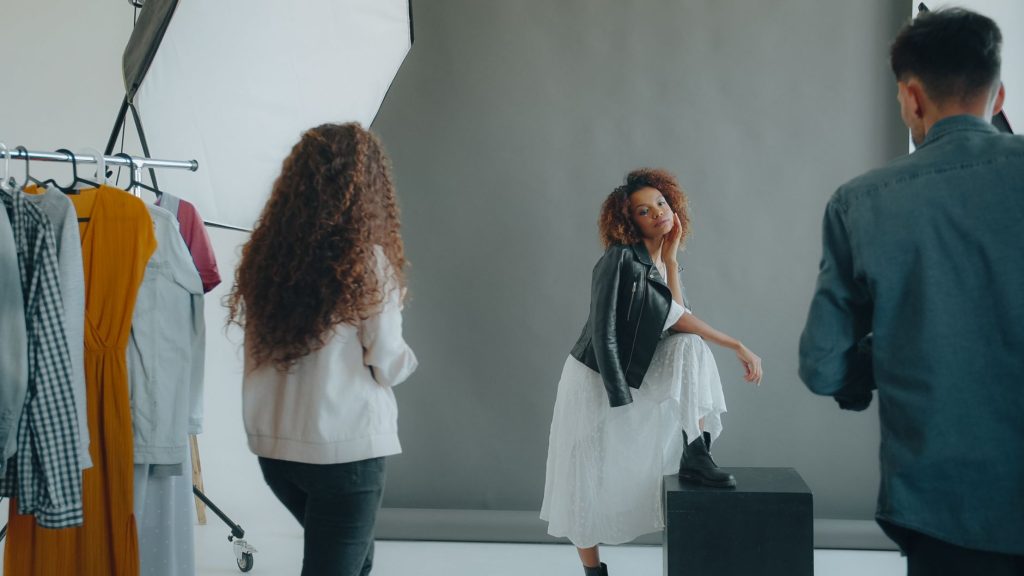
Modeling is a selective industry that emphasizes various requirements based on the type of modeling pursued. Understanding these requirements is crucial for anyone interested in breaking into the field, whether you’re aiming for high fashion, commercial modeling, or niche markets.
This article will explore essential prerequisites, including physical attributes, skill sets, lifestyle choices, and how to prepare for a successful modeling career.
What Are The Requirements For Modeling?
The requirements for modeling can vary widely depending on the niche. Generally, physical appearance, confidence, technical skills, and professionalism are key components. Below is an overview of these foundational elements.
Physical Appearance
Physical appearance is perhaps the most noticeable requirement in modeling. While beauty is subjective, certain features often align with industry standards.
Height and Body Type
Different modeling sectors have specific height requirements. Here’s a breakdown:
- High Fashion: Typically, female models should be between 5’9″ and 6’0″, and male models are usually between 6’0″ and 6’3″.
- Commercial: More diverse in height and body type, with fewer strict guidelines.
- Plus Size: Models usually require specific body measurements, often size 12 and above for women, and size 34 or above for men.
Facial Features
Unique facial features can set a model apart. Symmetry, skin tone, hair color, and overall facial structure play a significant role in the modeling world. Understanding your assets and how to highlight them is essential.
Age Considerations
While modeling can begin in adolescence, there are opportunities for various age groups:
- Teen Models: Typically start around 14-15.
- Adult Models: Usually range from 18 to early 30s.
- Geriatric Models: Can be featured in lifestyle and fashion campaigns.
Skills Needed
Beyond the physical attributes, modeling requires specific skills and proficiency in various areas.
Posing Techniques
Knowing how to pose effectively can significantly affect the overall quality of the images. This includes:
- Understanding angles that flatter your body shape.
- Mastering facial expressions that convey emotion.
- Learning how to move fluidly and create dynamic shapes.
Walking Skills
Catswalk skills are essential for runway modeling. Key elements include:
- Maintaining a steady pace and balance.
- Maintaining good posture.
- Practicing turns and poses that work well on the runway.
Professionalism and Communication
A strong work ethic is critical. Some focuses include:
- Arriving on time and prepared for shoots.
- Communicating effectively with photographers, directors, and stylists.
- Taking constructive criticism positively.
Lifestyle Choices
To maintain a modeling career, healthy lifestyle choices are paramount. Here are some important factors to consider.
Diet and Nutrition
While it’s vital to maintain a healthy body, an extreme focus on weight can be detrimental. Consider these tips:
- Adopt a balanced diet with whole foods.
- Stay hydrated and avoid excessive alcohol or sugary drinks.
- Consult with a nutritionist for tailored advice.
Exercise
Regular physical activity helps maintain a healthy figure and overall well-being. Mixing cardio with strength training is often recommended.
Skin and Hair Care
Models should take care of their skin and hair to ensure they always look their best. It’s worthwhile to:
- Establish a daily skincare routine that includes cleansing, moisturizing, and sun protection.
- Invest in good quality haircare products that suit your hair type.
Building Your Portfolio
A strong portfolio is crucial for any aspiring model. Here are steps to consider:
Getting Professional Photos
A high-quality portfolio should showcase your versatility. Include the following types:
- Headshots
- Full-length shots
- Editorial-style images
Variety in Styles
Demonstrate your capability to switch between different looks and styles. Consider including:
- Fashion photography
- Commercial works
- Editorial images
Updating Regularly
As your skills progress and fashion trends change, your portfolio should evolve accordingly. Regularly update it to reflect your best work.
Finding Representation
Many models work with agencies, which can help with securing jobs and providing industry guidance. Here’s how to find one:
Research Agencies
Find agencies that match your modeling niche. Look for:
- Reputable modeling agencies with a solid track record.
- Those that cater to your specific modeling focus, whether it’s commercial, high fashion, or other forms.
Submitting Applications
Your submission should include:
- Your portfolio.
- Basic information about yourself, including measurements.
- A cover letter outlining your interest and aspirations.
Interview Preparation
Be prepared for a potential interview or casting call by focusing on:
- Presenting yourself professionally.
- Understanding the agency’s mission and clientele.
- Demonstrating confidence in your abilities and uniqueness.
Networking in the Industry
Building connections can lead to opportunities. Here are some tips:
Attend Industry Events
Participating in fashion shows, exhibitions, and networking events allows you to meet professionals in the industry and establish relationships.
Utilize Social Media
Showcasing your work on platforms like Instagram and TikTok can help you gain exposure. Focus on:
- Sharing high-quality images that reflect your modeling style.
- Engaging with your audience through thoughtful captions and interactions.
Collaborate with Creatives
Working with photographers, makeup artists, and stylists can result in solid content for your portfolio while expanding your network.
Understanding Industry Trends
The modeling industry is continuously evolving. Staying updated on trends, styles, and expectations is essential. Here’s how to do it:
Follow Fashion Publications
Subscribing to magazines and following online platforms such as Vogue or Harper’s Bazaar can provide insights into current trends and industry news.
Monitor Influencers
Watching successful models and influencers can help identify emerging styles. Look for:
- Social media influencers who resonate with your aesthetic.
- How they represent themselves and positioning themselves in the industry.
Adapting to Cultural Changes
Fashion is glamorous but influenced by cultural shifts. Knowing what’s trending can give you a competitive edge.
Common Challenges in Modeling
Like any profession, modeling comes with its challenges. Awareness of these common hurdles can prepare you for potential obstacles.
Body Image Issues
Pressure around looks can be taxing. It’s vital to maintain a healthy self-image while navigating industry expectations.
Rejection
Rejection is part of the process. Developing resilience can help you stay motivated. Remember, even the most successful models face numerous “no’s”.
Competition
The industry is competitive. Focus on what makes you unique and continually improve your skills to stay relevant.
Tips for Aspiring Models
If you’re contemplating a modeling career, here are some practical tips to help you succeed:
- Start building your portfolio as early as possible.
- Practice posing and walking at home to develop confidence.
- Stay informed and adaptable to industry changes.
- Invest in a good comp card, which includes your best shots and stats.
- Seek feedback from experienced models and professionals.
Modeling can be an exhilarating yet challenging industry to navigate. By understanding the essentials such as physical attributes, skills, and networking, you can carve a successful career path. If you feel passionate about the craft, take the first step and start connecting with your unique model identity.
For more styling advice and tips, explore related fashion guides such as What Not to Wear to an Interview and What to Wear to an Interview.