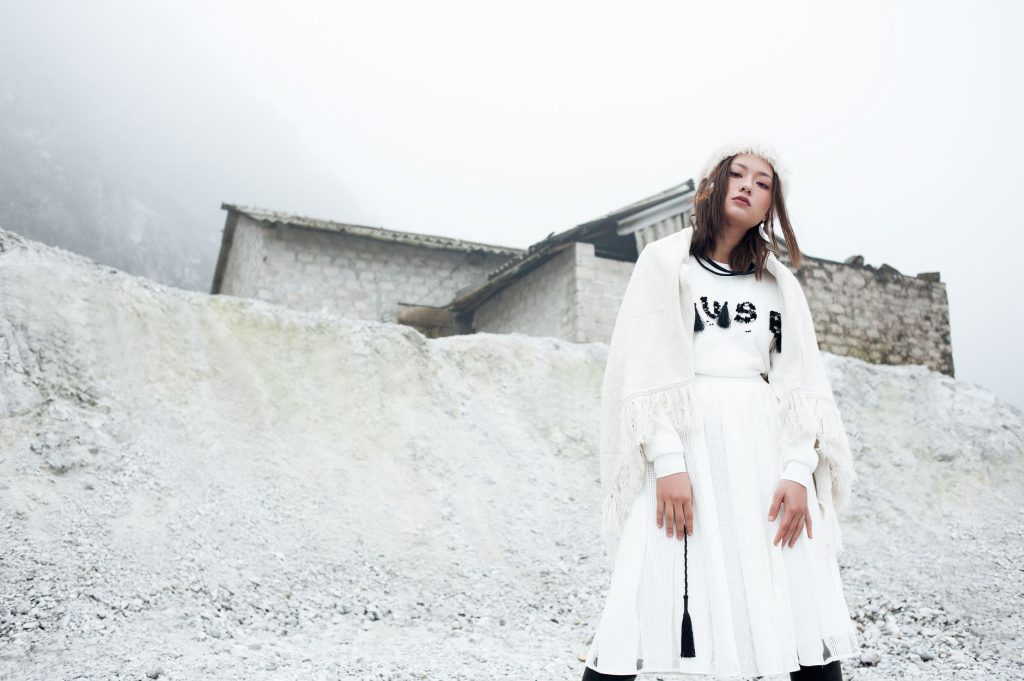
The phrase “no white after Labor Day” has long been a sartorial guideline, often regarded as a faux pas. But where did this tradition originate, and does it still hold relevance in today’s fashion landscape? In this article, we will explore the history behind this adage, the evolution of fashion norms, and how you can wear white anytime, regardless of the season.
This guide will provide insight into the reasoning behind the rule, offer styling tips for wearing white, and share advice on how to adapt your wardrobe to embrace versatility throughout the seasons. Whether you’re looking for seasonal outfits or ways to elevate your style, this article has you covered.
What Is the Rule About Wearing White After Labor Day?
The guideline of not wearing white after Labor Day primarily reflects a cultural perspective rather than a rigid style rule. It advises against wearing white clothing from early September until the following spring, traditionally aligning with summer’s end. Initially, this rule was largely applicable to the upper classes in the late 19th and early 20th centuries.
Labor Day, celebrated in the United States on the first Monday in September, heralds the unofficial end of summer. The notion was that white clothing was associated with warm weather, leisure, and social status. As temperatures begin to drop in September, the rule became a societal norm, suggesting that one should reserve lighter attire for the warmer months.
Why Was the Rule Established?
The guideline of not wearing white has various historical interpretations. Here are some key factors that contributed to the rule:
- Social Class: In the early 20th century, the distinction between upper-class leisure and working-class utility highlighted the wearing of white as a sign of wealth. White clothing was impractical for the working class, while the affluent could don white without worry.
- Seasonality: Fashion has always been influenced by season and climate. White clothing was practical for summer but less so during fall and winter months when darker, heavier fabrics became necessary.
- Fashion Industry Influence: Over time, fashion houses and retailers began to set their own seasonal standards, perpetuating the idea that certain colors or styles would be more appropriate for specific seasons.
Is the Rule Still Relevant Today?
As we have evolved in our understanding of fashion, the strictness of the “no white after Labor Day” rule has loosened considerably. Contemporary fashion embraces individual expression over outdated norms. Below are some reasons why the rule is less relevant now:
- Inclusivity and Individual Style: Modern fashion celebrates diversity and encourages personal style, allowing individuals to wear what resonates with them, regardless of traditional norms.
- Seasonless Fashion Trends: The rise of seasonless fashion means that designers constantly produce collections that can be worn year-round, blurring the lines of seasonal dressing.
- Climate Awareness: As climate change alters seasonal patterns, the boundaries defining summer and winter clothing may not hold true as they once did.
How to Wear White After Labor Day
1. Choose the Right Fabrics
When transitioning white pieces into the colder months, consider fabric upgrades. Here are some fabric suggestions:
- Chunky Knits: A white cable-knit sweater paired with darker bottoms is cozy and stylish.
- Wool or Cashmere: These fabrics provide warmth while allowing you to maintain a chic look in white.
- Textured Fabrics: Materials like corduroy or suede can add depth to white garments and enhance visual interest.
2. Pair with Seasonal Colors
The key to successfully wearing white in the colder months is color coordination. Complement white pieces with rich, warm hues like:
- Deep burgundy
- Forest green
- Burnt orange
- Charcoal gray
- Earthy browns
For example, try pairing white jeans with a warm maroon oversized sweater and ankle boots for a polished look.
3. Layer Your Look
Layering is essential for autumn and winter outfits. Consider these options:
- Outerwear: A white or cream trench coat can elevate any outfit, especially when layered over darker clothing.
- Scarves: Add a patterned or colorful scarf to contrast with white while keeping warm.
- Cardigans and Blazers: A tailored blazer in a rich color can create a sophisticated layered look while incorporating white.
4. Accessorize Wisely
Accessorizing effectively can help you balance and enhance a mostly white outfit:
- Footwear: Consider ankle boots or knee-high boots in darker shades to ground your look.
- Handbags: Textured bags in complementary colors can add interest and depth.
- Jewelry: Opt for gold or brass jewelry with white outfits, as the warm tones create a stunning contrast.
Seasonal Outfit Ideas for Wearing White
Here are outfit ideas that showcase how you can incorporate white into your fall and winter wardrobes effectively:
Casual and Comfortable
- White turtleneck sweater
- Dark high-waisted jeans
- Scarf in earth tones
- Tan or brown ankle boots
This look is not only cozy but also ensures you stay stylish throughout your day while enjoying the weather change.
Workwear Chic
- White button-down blouse
- Tailored black trousers
- Charcoal blazer
- Heeled ankle boots
This sophisticated outfit works for meetings and is perfect for transitioning to after-work events.
Weekend Outing
- White wool sweater
- Dark denim jeans
- Earthy-toned long cardigan
- Classic white sneakers
This look is both relaxed and stylish, ideal for brunch or casual outings with friends.
Evening Elegance
- White midi dress in a winter-friendly fabric
- Black leather moto jacket
- Over-the-knee boots
- Bold red lipstick for a pop of color
This distinctive outfit is perfect for date night or more formal occasions without straying from fashion norms.
Building a Versatile Capsule Wardrobe
Creating a capsule wardrobe centered around white pieces allows for various outfit possibilities to embrace all seasons. Start with some essential pieces:
Essential White Pieces
- White button-up shirt
- White turtleneck
- White denim or chinos
- White knit sweater
- White dress (in comfortable fabric)
Complementary Essentials
In addition to white garments, consider the following items to create balance within your capsule wardrobe.
- Dark jeans or tailored trousers
- Neutral cardigans or blazers
- Fall-friendly skirts in deep colors
- Layering tees in neutral shades
- Quality outerwear like trench coats and puffers
Color Coordination Tips for Year-Round Style
When wearing white, keeping in mind how to pair it effectively with other colors is crucial for creating cohesive outfits. Here are some color coordination tips:
- Neutral Palette: White pairs effortlessly with blacks, grays, and browns for a classic look.
- Pops of Color: Add vibrancy with colorful accessories, such as shoes or bags, which can animate the outfit.
- Monochromatic Scheme: Explore shades of white and off-white; variations in texture can keep the look interesting.
Practical Care Tips for White Fabrics
White clothing can require extra care to maintain its crisp appearance. Here are some garment care tips:
- Washing: Always follow the care label, but generally, white fabrics can be washed in warm water with a gentle detergent.
- Stain Removal: For minor stains, act quickly and use a mixture of baking soda and water or pre-treat with a stain remover before washing.
- Drying and Storage: Avoid direct sunlight when drying to prevent yellowing. Store whites in a cool, dry place, ideally hanging; this helps retain shape and prevents wrinkles.
Shopping Considerations for White Clothing
When shopping for white pieces, consider the following factors to ensure you are purchasing quality garments:
- Fabric Quality: Opt for thicker fabrics or linings to prevent sheerness and ensure longevity.
- Fit: Prioritize garments that fit comfortably; tailored white clothing can elevate your look.
- Versatility: Choose garments that can work in multiple settings to justify the investment in your capsule wardrobe.
Make Your Own Fashion Rules
Ultimately, fashion should be a personal journey that reflects your style and comfort. As the rule of no white after Labor Day dissipates, it provides an opportunity to experiment with fabrics, styles, and color combinations. Trust your instincts and dress in a way that inspires confidence.
Whether you wear white year-round or reserve it for special occasions, the key is to choose pieces that resonate with you personally. As you navigate your wardrobe, always feel empowered to break away from tradition and wear what feels right.
Explore new styles, mix and match, and remember that your wardrobe is a reflection of you—not dictated by outdated rules.
Try incorporating various seasonal outfits, and feel free to discard the “no white after Labor Day” mantra. Your style has no expiration date.
For more insights on fashion norms, explore these guides: Why Can’t You Wear White After Labor Day and Why No White After Labor Day.