
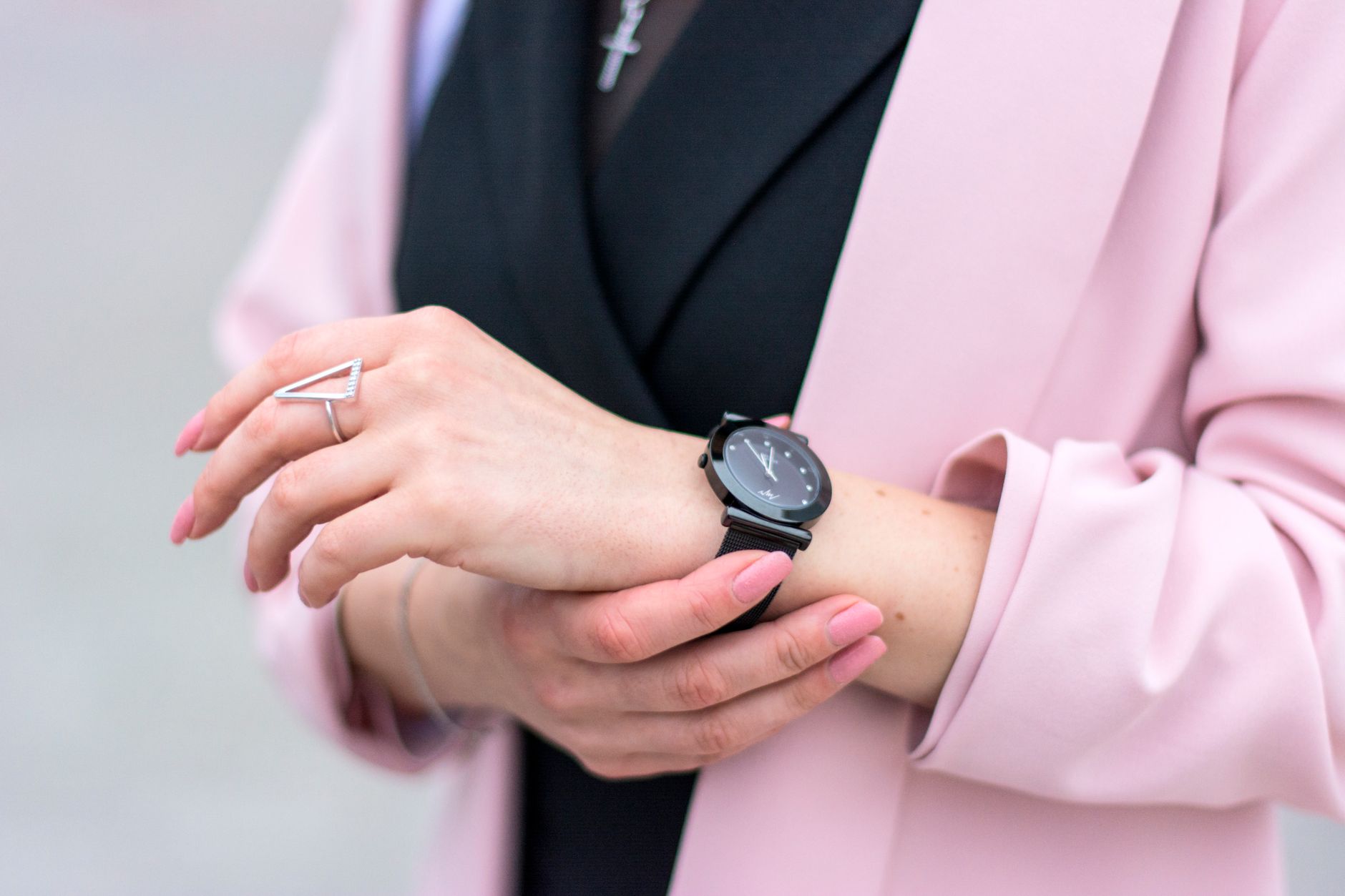
Wearing a watch is not just about keeping track of time; it’s a statement piece that can elevate your style. But if you’re wondering which wrist to wear a watch on, you’re not alone. Many women ponder this question when accessorizing, especially considering the aesthetic aspect and personal comfort.
Understanding the conventions and styles surrounding watch-wearing can help you make better choices that reflect your individual style. This guide will delve into the considerations behind choosing the right wrist for your watch, how it interacts with your outfits, and the broader context of watch-wearing etiquette.
Which Wrist To Wear Watch Female?
The commonly accepted practice is to wear a watch on your non-dominant hand. For right-handed individuals, this means wearing the watch on the left wrist, while left-handed individuals often opt for the right wrist. This tradition stems from practical reasons, providing easy visibility and avoiding wear while writing or using other tools.
Why Does Wrist Placement Matter?
The wrist on which you wear your watch can influence both comfort and style. Here are some reasons why this choice is more than just a matter of habit:
- Comfort: Wearing a watch on your non-dominant hand minimizes interference while writing or engaging in various tasks.
- Style: The placement can affect the overall aesthetic of your outfit, particularly in how it complements your other accessories.
- Personal Preference: Ultimately, wearing a watch should reflect your style. Some may prefer it on the dominant hand for ease of access and visibility.
Considerations for Style and Functionality
Beyond comfort, it’s essential to consider how watch placement interacts with your overall look and outfit. Here are some key aspects to think about:
1. Outfit Cohesion
Your watch should align with the styling of your outfit. Consider these factors for better cohesion:
- Color Coordination: If you’re wearing gold jewelry, try a gold watch for cohesion. For a more minimalist outfit, a sleek silver or leather watch can add balance.
- Wrist Accessories: If you wear bracelets or bangles, decide if you want your watch on the same wrist for a more layered look or on the opposite wrist for clarity.
2. Dress Code
The formalness of your outfit will affect where and how you wear your watch:
- Casual Outfits: In casual settings, feel free to wear your watch on either wrist. Experiment with playful styles, textures, and colors.
- Business Attire: A classic, understated watch, worn on your non-dominant hand, embodies professionalism and elegance.
- Evening Wear: A statement piece can become a conversation starter. Choose your wrist based on how it harmonizes with your look.
3. Physical Considerations
Take into account your individual physical comfort as well:
- Wrist Size: If one wrist is larger than the other, wearing the watch on the smaller wrist may provide a more refined look.
- Mobility: Certain sports or activities may require removing your watch; consider this when choosing a wrist.
Wrist-Worn Watch Styles
The type of watch you select informs how you style it. Here’s a breakdown of the different watch styles and how they can be worn:
1. Classic Watches
Classic timepieces typically feature a leather or metal strap, offering a timeless look. They are best paired with:
- Business Casual Attire: Wear on your left wrist to project professionalism.
- Formal Dresses: A sleek watch can elevate your evening gown or cocktail dress.
2. Smartwatches
Smartwatches have become contemporary staples, combining tech with fashion. Styling options include:
- Activewear: Pair with fitness attire for workouts; your dominant hand might feel more natural.
- Casual Outings: Wear on either wrist; switch it up depending on the accessories you’re wearing.
3. Statement Watches
A striking or oversized watch can serve as a focal point. Try these suggestions:
- Simplistic Outfits: Let your watch take center stage by wearing it on the dominant wrist.
- Layered Accessories: Choose a contrasting wrist to balance out several accessories neatly.
Accessorizing with Watches
Adding a watch to your outfit involves knowing how to accessorize it appropriately. Here are tips on jewelry coordination:
1. Jewelry Matching
When coordinating jewelry with your watch, consider these styles:
- Metals: Mixing gold and silver can be chic; aim for a common element such as incorporating a gold ring with a silver watch.
- Textures: A leather strap can be softened with delicate bracelets, while a metal watch should be balanced with fewer bulky pieces.
2. Outfit Layering
Layering can affect how your watch is perceived:
- Cardigans and Jackets: Allow your watch to show slightly beneath sleeves for a controlled look.
- Casual Layers: If you wear several layers, playing with wrist positioning can create visual interest.
Color Coordination with Watches
Color plays a vital role in style. Here are ways to combine your watch color with the rest of your attire:
1. Color Theory Basics
Understanding basic color theory can help:
- Complementary Colors: Match your watch with colors opposite on the color wheel for a dynamic contrast.
- Analogous Colors: Wear colors next to each other on the wheel for a harmonious look.
2. Seasonal Colors
Adapt your watch color to fit the seasons:
- Spring: Light pastel colors for a fresh look.
- Fall: Earthy tones such as browns and dark greens complement the season’s palette.
Occasion Considerations
The occasion drastically alters how you should style your watch. Here’s a guide based on different settings:
1. Workwear
For a professional environment, ensure that your watch embodies sophistication:
- Classic Watches: Stick to simple dials without excessive embellishments.
- Smartwatches: Opt for a more refined strap for meetings.
2. Casual Outings
Dressing down allows for playful watch choices:
- Fashion Watches: Wear bolder colors or patterns and opt for fun strap designs.
- Switching it Up: Experiment with different wrist placements to match your mood.
3. Special Occasions
For formal events like weddings or galas, your watch can add glamour:
- Dress Straps: Choose luxe materials like satin or leather paired with a classic timepiece.
- Subtle Touch: Wearing the watch on the opposite wrist can showcase your outfit better.
Practical Watch Care Tips
To maintain your watch’s beauty, proper care is crucial. Here are helpful suggestions:
1. Regular Maintenance
Taking care of your watch includes:
- Cleaning: Wipe down your watch with a soft cloth regularly to remove dirt and oils.
- Battery Checks: If you own a quartz watch, ensure to replace the battery periodically.
2. Avoiding Damage
To prolong the life of your watch, follow these tips:
- Water Resistance: Be mindful of your watch’s water resistance rating, especially in wet conditions.
- Impact Protection: Avoid wearing your watch during high-impact activities unless it’s designed for that purpose.
A Brief Look into Watch History
Watches have a rich history that has evolved through the ages. Here’s a quick overview:
- Early Timepieces: The development of watches began with portable sundials in ancient civilizations, paving the way for mechanical watches in the 15th century.
- Modern Era: The introduction of quartz movements in the 1970s revolutionized the industry, making watches more affordable and accessible.
Final Thoughts on Watch Styling
Your choice of which wrist to wear a watch on is a mix of tradition, comfort, and personal style. Whether you prefer a classic timepiece on your left wrist or a fun smartwatch on your right, what matters most is that your selection feels right for you.
Next time you reach for your wristwatch, think about all the factors involved, from the outfit you plan to wear, the occasion, to your personal comfort. Create a look that reflects your personality while paying homage to the traditional aspects of watch-wearing.
For more styling tips, explore our advice on what hand does a watch go on and other outfit ideas to enhance your wardrobe!