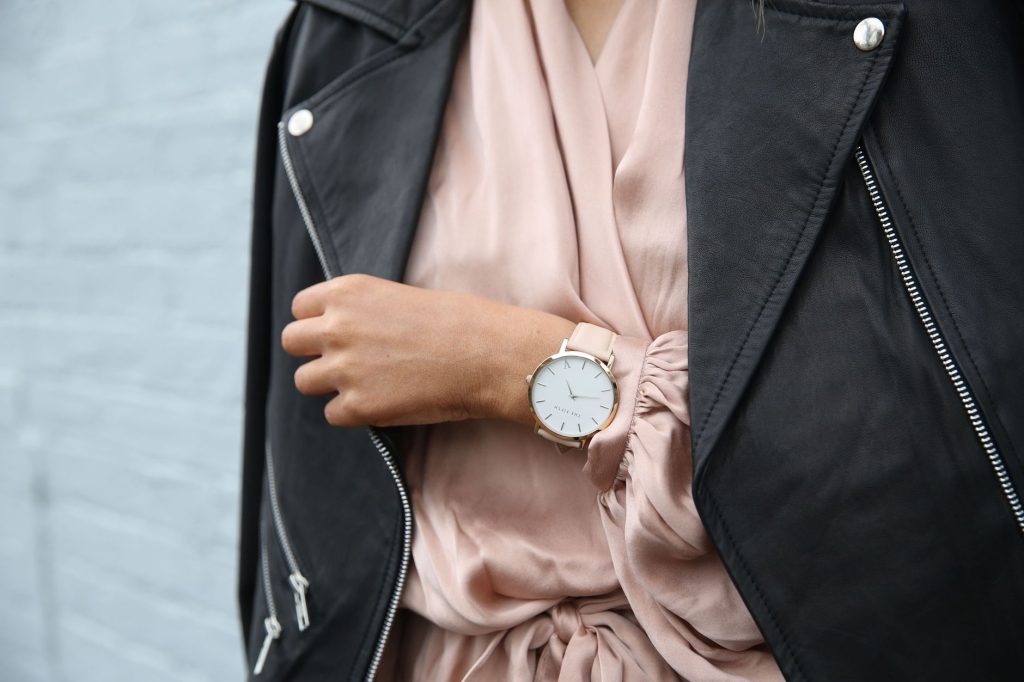
Deciding which hand to wear your watch on often comes down to personal preference, practicality, and societal norms. This simple choice can say a lot about your style, comfort, and even functionality. In this article, we will explore the factors influencing this decision, various styles, and tips for selecting the right watch for your outfit.
Whether you wear a watch for utility, fashion, or both, it is essential to consider how your choice not only complements your outfit but also fits into your personal style. From traditional wristwatch etiquette to modern-day fashion trends, we will delve into everything you need to know.
What Hand Does A Watch Go On?
The most common practice is to wear a watch on the non-dominant hand. For right-handed individuals, this typically means wearing the watch on the left wrist, and vice versa for left-handed individuals. Wearing a watch on the non-dominant hand minimizes the risk of damage during daily activities and allows for more comfortable wear.
This norm has evolved out of practicality, as the dominant hand is frequently engaged in various tasks. However, there are no hard and fast rules, and individual preferences and specific fashion statements can also dictate choices.
The History and Etiquette of Watch Wearing
The tradition of wearing a watch on the non-dominant hand dates back to the late 19th and early 20th centuries when pocket watches transitioned to wristwatches. Soldiers during World War I found wristwatches more practical than pocket watches in the heat of battle, leading to the design and spread of wristwatches as standard timepieces. This historical background contributes to today’s common practices.
While the etiquette may seem straightforward, understanding the nuances can enhance your overall style. Here are some considerations:
- Wearing on the dominant hand can be perceived as bold, showcasing your watch as a statement piece.
- Wearing on the non-dominant hand can indicate a more classic, understated approach.
- Individuals may opt for the traditional practice for formal occasions to maintain a subtle elegance.
Choosing the Right Watch for Your Style
Choosing the right watch involves more than just deciding which hand to wear it on. Factors such as occasion, outfit, and personal style play significant roles. Here are key considerations:
1. Watch Style
From sporty to elegant, watches come in various styles. Here’s how to select one that complements your overall look:
- **Casual Watches:** These often have a more relaxed design with vibrant colors or unique materials, perfect for casual outfits on weekends.
- **Dress Watches:** Opt for minimalist designs, thin profiles, and neutral colors that pair well with formal attire for elegant occasions.
- **Smartwatches:** These multifunctional devices offer utility and style, matching well with both casual and sporty outfits.
- **Field Watches:** Ideal for outdoor enthusiasts, these are durable and designed to withstand rugged conditions while maintaining style.
2. Material Matters
The material of your watch can also affect your styling choices. Common materials include:
- **Metal:** Stainless steel watches convey a classic look and can dress up or down outfits easily.
- **Leather:** Leather straps add a touch of sophistication and pair wonderfully with dressier looks.
- **Silicone:** Great for sporty or casual appearances, silicone bands provide comfort and versatility.
3. Size and Fit
The size of your watch face and the fit of the band should harmonize with your wrist size. Here are some tips:
- A watch face should proportionately contrast your wrist size; larger wrists can carry chunkier faces.
- Ensure that the band fits snugly without pinching or being loose, offering comfort and ease of movement.
Seasonal Considerations for Watch Wearing
Wristwatches can also be influenced by seasonal trends and attire. Here’s how to adapt:
Spring and Summer
- Choose lighter materials like fabric or silicone bands for comfort in warmer months.
- Opt for brighter colors that match summer wardrobes, enhancing casual and laid-back outfits.
Fall and Winter
- Consider a watch with a leather strap or a metal design that complements winter layers.
- Jewelry watches adorned with gemstones or intricate details can add warmth to the ensemble.
Color Coordination and Contrast
Color coordination plays a vital role in achieving a stylish look. Here are some valuable tips:
- Match your watch with accessories; for instance, if you wear gold jewelry, select a gold-toned watch for a cohesive look.
- Consider the color of your outfit; neutral watches can work with almost any color, while bold colors can serve as statement pieces.
- Use contrast strategically; a watch can add an unexpected pop of color against a monochromatic outfit.
How to Style a Watch with Different Outfits
Here are a few outfit ideas that demonstrate how to style a watch effectively:
Casual Day Out
Pair a leather-strapped watch with a simple white t-shirt, distressed jeans, and sneakers. The watch adds a touch of refinement, making an ordinary outfit feel more put-together.
Office Ready
Complement a tailored blazer, a crisp button-down shirt, and tailored trousers with a classic metal or leather watch. This polished look underscores professionalism while keeping your style sharp.
Weekend Adventure
For an outdoor hike, choose a sporty smartwatch designed for functionality. Pair it with breathable athletic wear and supportive footwear; practicality meets style seamlessly.
Evening Out
When dressing up for a night out, turn to an elegant dress watch with a sleek black or metallic face. This watch paired with a cocktail dress or tailored suit can highlight your entire evening look.
Common Mistakes to Avoid
- Wearing a watch that is too large or too small for your wrist diminishes the overall effect.
- Neglecting the watch’s design in relation to your outfit can lead to clashing styles.
- Choosing a strap material that conflicts with your overall dressing style, like sporty materials with formal attire.
Practical Guidelines for Selecting a Watch
When determining which watch to purchase and wear, consider these practical guidelines:
- Assess your lifestyle and needs; is the watch for everyday wear or special occasions?
- Evaluate your wardrobe; select a style that can pair well with multiple outfits.
- Choose a reliable brand known for quality and style to ensure longevity and satisfaction.
- Embrace your personal style—don’t shy away from unique designs that reflect your individuality.
Sustainability and Ethical Fashion in Watches
As sustainability becomes increasingly important in fashion, watchmakers are introducing eco-friendly materials and practices. Here are ways to ensure your watch choice is socially responsible:
- Research brands that prioritize sustainable materials, like recycled metals and hypoallergenic straps.
- Consider vintage or pre-owned watches, which extend the lifecycle of quality pieces while reducing demand for new products.
- Check for certification in ethical labor practices and environmentally friendly production methods.
Do’s and Don’ts of Wearing a Watch
Do’s
- Do coordinate your watch with your outfit for a harmonious look.
- Do wear your watch snugly but comfortably on your wrist.
- Do choose a versatile watch that can be dressed up or down.
Don’ts
- Don’t wear a watch that competes too much with other accessories, leading to style overload.
- Don’t ignore the functionality of your watch; ensure it meets your daily requirements.
- Don’t overlook care and maintenance—regular cleaning and servicing extend the life of your timepiece.
Summary of Key Points
Choosing the right hand to wear your watch on often reflects personal preference, practicality, and style. Remember to dress appropriately for the occasion, select a watch that fits well, and coordinate the piece with your overall outfit. Adopting these guidelines creates a polished look that enhances your fashion statement.
As you explore your watch options, consider the significance of the material, fit, and style to ensure that your choice seamlessly integrates into your wardrobe. Keep experimenting and have fun with this timeless accessory!
If you’re interested in learning more about watch choices and outfit coordination, check out our guides on hand-wearing etiquette and which wrist to wear a watch for further insights.