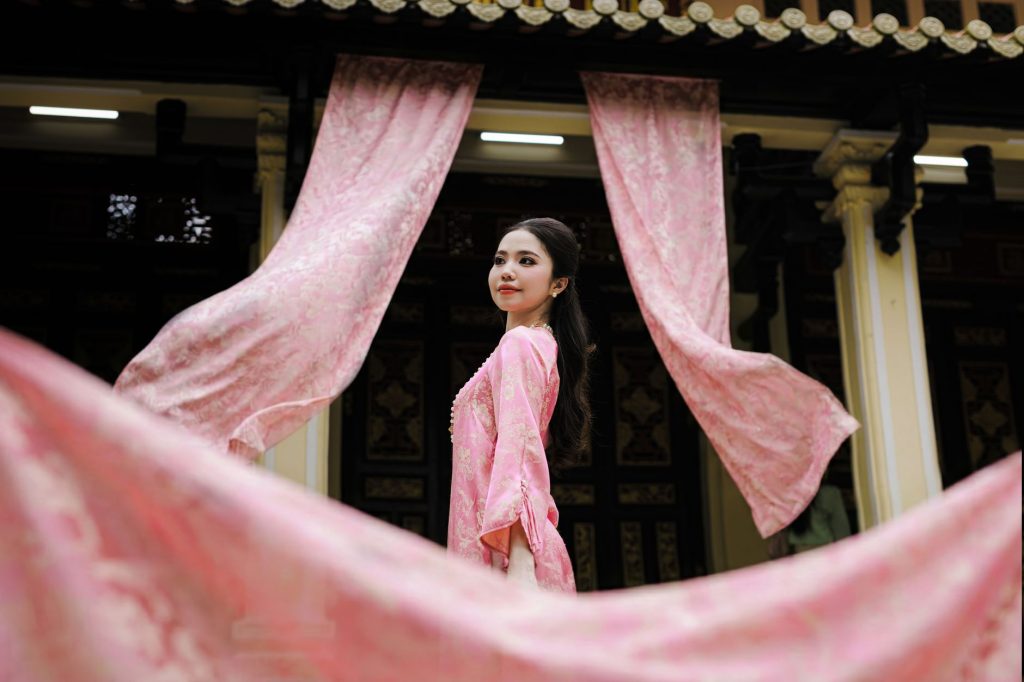
The saree, a traditional garment originating from the Indian subcontinent, is a versatile piece that transcends cultures and seasons. Consisting of a long piece of cloth, usually ranging from five to nine yards, the saree is draped elegantly around the body, offering a stunning silhouette that highlights the wearer’s form.
With countless styles, fabrics, and ways to drape, the saree is not just a fashion statement; it is a symbol of culture and identity. Here’s a comprehensive look at what a saree is, how to wear it, and ways to incorporate it into your wardrobe.
What Is A Saree?
A saree is a traditional wrap-around garment for women in South Asia. It is generally composed of a long strip of unstitched fabric that is draped around the waist, typically accompanied by a blouse (choli) and a petticoat. The beauty of a saree lies in its ability to accommodate various styles of draping, allowing for a multitude of looks and personal expressions.
Understanding the Components of a Saree
To style a saree effectively, it’s essential to understand its primary components:
- The Sari: This is the main piece of fabric, which can be made from a variety of materials such as silk, cotton, georgette, or chiffon.
- The Blouse (Choli): A fitted top that complements the saree. Blouses come in various styles, including sleeveless, half-sleeve, or long-sleeve.
- The Petticoat: A skirt worn underneath the saree to provide support and shape. The petticoat is typically made of cotton or satin for comfort and structure.
Styles of Saree
The saree is incredibly varied, with numerous styles reflecting local traditions and customs. Here are some popular saree styles:
1. Nivi Saree
Originating from Andhra Pradesh, the Nivi style is one of the most commonly seen draping methods. It features a straightforward wrap around the waist, usually with the pallu (the decorative end of the saree) draped over the shoulder.
2. Bengali Saree
This style emphasizes a distinctive draping method with more pleats in the front, allowing the saree’s motifs to stand out. Additionally, the pallu is often draped gracefully over the left shoulder.
3. Maharashtrian Saree
Common in Maharashtra, this style is characterized by the saree being draped in a way that allows for freedom of movement. It typically features a unique pleating style along with an ornate pallu.
4. Gujarati Saree
In this style, the pallu is pleated and pinned at the shoulder, creating a beautiful layered look. Gujarati sarees often feature vibrant colors and intricate embroidery.
5. Kantha Saree
Originating from the Bengal region, Kantha sarees are known for their intricate hand-stitched motifs and designs, typically showcased in cotton fabric.
Choosing the Right Fabric
The versatile nature of sarees also extends to the variety of fabrics available. When selecting a saree, consider the following fabrics based on the occasion and season:
- Cotton: Ideal for casual and daytime wear, cotton sarees are breathable and comfortable, perfect for warmer climates.
- Silk: Luxurious and elegant, silk sarees are perfect for formal events, weddings, and festivals.
- Georgette: Lightweight and flowy, georgette sarees drape beautifully and are great for both formal and casual occasions.
- Chiffon: Known for its sheer quality and softness, chiffon sarees are elegant and perfect for evening wear.
Styling Tips for Draping a Saree
The way a saree is draped can significantly alter its look. Here are some practical tips to help you style your saree perfectly:
- Practice the Pleats: Creating neat pleats is essential for a polished look. Aim for around six to eight pleats, ensuring they are even and well-formed.
- Secure with Pins: Use safety pins to secure the pleats and pallu in place, preventing any wardrobe malfunctions while moving.
- Experiment with Draping Styles: Try various draping styles until you find one that flatters your figure and suits the occasion.
- Choose the Right Footwear: Pairing your saree with the right footwear can elevate your ensemble. Consider traditional juttis, sandals, or heels based on the setting.
Accessorizing Your Saree
Accessorizing enhances the overall look of your saree. Here are some suggestions:
- Jewelry: Choose statement jewelry such as chandelier earrings or a choker necklace that complements the saree. Traditional pieces like bangles or a maang tikka can add charm.
- Clutch or Potli Bags: Opt for ethnic clutch bags or potli bags for a more polished appearance that enhances your traditional attire.
- Dupatta: For added flair, consider draping a matching or contrasting dupatta over your shoulders.
- Hair Accessories: Floral hairpins or traditional maang tikka can complete your look beautifully.
Seasonal Styling Ideas
The saree is a versatile garment that can be styled for different seasons. Here’s how to adapt your saree for various climates:
Spring/Summer
- Opt for lightweight fabrics like cotton or chiffon.
- Select light, pastel, or floral prints to embody the essence of the season.
- Pair with minimal accessories and comfortable, open-toed sandals.
Fall/Winter
- Choose heavier fabrics like silk or brocade for warmth.
- Dark, rich colors can convey a cozy vibe while remaining stylish.
- Layer with a stylish shawl or jacket if needed and opt for closed shoes or boots for warmth.
Creating a Capsule Wardrobe with Sarees
Incorporating sarees into a capsule wardrobe can provide versatility and practicality. Here’s how to do this:
- Select a Few Core Sarees: Invest in a few classic sarees in timeless colors and patterns that can be mixed and matched with different blouses.
- Mix and Match Blouses: Create diversity by pairing different blouses with the same saree, changing the look entirely.
- Minimal Accessories: Choose a few essential pieces of jewelry that will complement various sarees, allowing for quick styling choices.
Understanding Dress Codes for Sarees
When wearing a saree, consider the event’s dress code. Here’s a guide:
- Casual: Opt for lightweight cotton sarees with simple prints, paired with minimalistic jewelry.
- Business: Choose a formal saree, typically in solid colors or subtle patterns, and wear it with a fitted blouse.
- Evening/Formal: Go for silk or embellished sarees. Metallic jewelry and dramatic draping can enhance your look.
- Weddings: Bright, richly embroidered sarees paired with intricate jewelry and traditional footwear are ideal.
Caring for Your Saree
Proper care is essential to maintain the beauty of your sarees. Here are some care tips:
- Read the Care Label: Follow the manufacturer’s instructions regarding washing and drying.
- Gentle Hand Wash: For most fabrics, hand washing is recommended using a mild detergent.
- Avoid Harsh Chemicals: Steer clear of bleach or fabric softeners that may compromise the fabric’s quality.
- Store Carefully: Hang sarees in a cool, dry place or fold them with silk cloth to prevent creasing and damage.
Sustainable Fashion and Sarees
As fashion trends evolve, sustainability has become a priority for many. Here’s how to approach sustainable saree fashion:
- Choose Eco-Friendly Materials: Seek sarees made from natural, biodegradable fibers such as organic cotton or bamboo.
- Support Local Artisans: Buy sarees from local craftsmen to support traditional weaving practices and reduce carbon footprints.
- Opt for Vintage: Thrift shops and vintage boutiques may offer unique, pre-owned sarees that reduce waste and promote recycling.
Shopping for Sarees
Finding the perfect saree can feel overwhelming with so many options. Here are some shopping tips:
- Know Your Body Type: Understanding your body shape will help you choose the right fabrics and styles that complement your silhouette.
- Set a Budget: Sarees come in a wide range of prices. Determine your budget beforehand to narrow down your choices.
- Try Before You Buy: If possible, try on different styles and fits to see what you are most comfortable wearing.
- Seasonal Sales: Keep an eye out for sales or festivals that might offer sarees at discounted prices.
The saree is more than just an item of clothing; it is a celebration of culture, identity, and femininity. With its rich history and diverse styles, the saree can effortlessly cater to modern fashion sensibilities while honoring tradition. As you explore different looks, fabrics, and styles, remember to embrace your individuality and enjoy the elegance that sarees bring to your wardrobe.
For further styling tips, explore our articles on the intricacies of sari draping and how culture influences fashion trends.