Traveling to Japan offers a unique opportunity to experience culture, history, and, notably, fashion. From street style in Tokyo to traditional garments in Kyoto, understanding what to wear in Japan can enhance your travel experience significantly. This guide will help you navigate outfit choices that reflect Japanese aesthetics while ensuring comfort and respect for local customs.
Japan’s distinct seasons also impact clothing choices. Each season brings its unique flair and styling opportunities, allowing you to express personal style through regional trends. Whether you’re exploring bustling cities, serene temples, or beautiful parks, here are some practical wardrobe suggestions tailored to various settings and temperatures.
What To Wear In Japan?
When considering what to wear in Japan, it’s essential to blend comfort, cultural norms, and style. Key factors include the season you are visiting, destinations within Japan, and activities on your itinerary. Plan versatile outfits that are easy to layer or mix and match.
Understanding Japan’s Fashion Culture
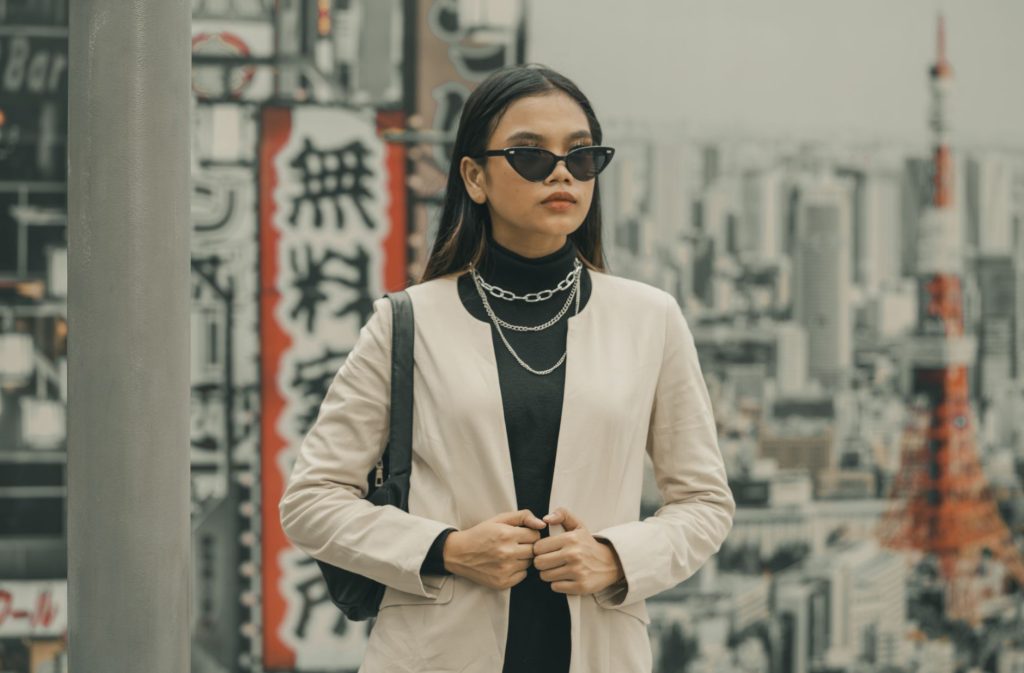
Japan is known for its fashion-forward citizens and traditional attire. From the modern, edgy looks found in urban areas like Shibuya to the serene elegance of kimono-clad individuals in historical settings, there is a wide spectrum of clothing styles to observe and emulate.
- Street Style: Urban centers like Tokyo showcase a diverse blend of traditional and contemporary styles. Here, locals often embrace bold colors and layering techniques.
- Traditional Attire: In more traditional settings, such as temples or during festivals, you may encounter individuals wearing kimonos, yukatas, or other local garments.
- Seasonal Trends: Japanese fashion is heavily influenced by the changing seasons, creating a cyclical rotation of styles that reflect seasonal colors and fabrics.
Wardrobe Essentials for Each Season
Consider a seasonal approach to your wardrobe to ensure that you are prepared for variations in weather and activities while in Japan.
Spring Fashion (March to May)
Spring brings mild weather and beautiful cherry blossoms. Layering is crucial as temperatures can fluctuate throughout the day.
- Lightweight, breathable tops: Cotton or linen blouses work well.
- Cardigans and lightweight jackets: Perfect for cool mornings and evenings.
- Lightweight pants or skirts: Choose loose-fitting clothing for comfort.
- Comfortable walking shoes: Sneakers or flats are ideal.
Summer Fashion (June to August)
Summer in Japan can be hot and humid. Opt for breathable fabrics and lighter clothing.
- Shorts, skirts, and dresses: Look for cotton or linen options that allow airflow.
- Lightweight t-shirts or tank tops: Keep it simple yet stylish.
- Sun protection: A wide-brimmed hat and sunglasses are advisable.
- Slip-on sandals: Easy to wear and practical for warm days.
Autumn Fashion (September to November)
In autumn, Japan is adorned with vibrant fall colors. Layering is again essential during this transitional season.
- Long-sleeve shirts and blouses: Choose light fabrics for comfort.
- Cardigans and light jackets: Perfect for variable temperatures.
- Dark jeans or trousers: Versatile and stylish options.
- Closed-toe shoes: Ankle boots or sneakers work well.
Winter Fashion (December to February)
Winter can be quite cold, particularly in northern regions. Dressing in layers is fundamental for comfort and warmth.
- Warm base layers: Thermal tops and leggings are great for insulation.
- Heavy jackets or coats: Parkas or wool coats can provide warmth.
- Scarves, hats, and gloves: Essential accessories to keep warm.
- Sturdy footwear: Waterproof boots or insulated shoes are necessary for colder climates.
Embracing Traditional Japanese Attire
Experiencing Japanese culture often includes encountering traditional dress. Kimonos and yukatas are beautiful garments that reflect rich cultural heritage.
Kimonos
Kimonos are often worn during special occasions or festivals and can be rented or purchased. Consider the following:
- Opt for a simpler design if you’re new to wearing a kimono.
- Accessorize with an obi (sash), haneri (collar), and traditional footwear.
Yukatas
Yukatas are lighter and more casual than kimonos, making them suitable for summer festivals.
- Choose vibrant colors or patterns to reflect the festive atmosphere.
- Pair with traditional geta (wooden sandals) for an authentic look.
Outfit Formulas for Various Occasions
Creating outfit formulas can enhance your packing efficiency and offer flexibility in mixing components for different occasions.
Casual Day Out
- Lightweight, breathable top with denim jeans or casual trousers.
- Layer with a light cardigan for comfort.
- Comfortable sneakers or slip-on shoes for easy walking.
Evening Dinner
- Chic blouse paired with tailored trousers or a midi skirt.
- Light blazer or tailored jacket to enhance the look.
- Stylish flats or low heels for a polished finish.
Cultural Sites Visit
- Modest dress inspired by local customs, such as a simple wrap dress or maxi dress.
- Pair with a comfortable cardigan or wrap to cover shoulders.
- Closed-toe shoes are recommended.
Footwear Considerations
Choosing the right footwear is essential for navigating Japan’s cities and sites.
- Comfort is paramount; opt for shoes that provide good support, especially as you may be walking long distances.
- Sneakers, loafers, and sandals (for summer) are excellent choices that marry comfort and style.
- Consider waterproof footwear if visiting during the rainy season.
Accessorizing Your Outfits
The right accessories can elevate your style while providing practicality. Here are some recommendations:
- Scarves: A lightweight scarf can be used as a shawl or a wrap.
- Bags: Crossbody bags or backpacks are great for carrying essentials while remaining trendy.
- Jewelry: Keep it understated; delicate pieces tend to align with Japanese minimalism.
Color Coordination and Patterns
Japanese fashion often emphasizes natural and subdued colors, making color coordination essential.
- Earthy tones and pastels can align with the aesthetic of natural landscapes.
- Patterns such as florals or simple geometrics can offer visual interest without overwhelming.
- Mix and match different textures, like linen, denim, and cotton, for an engaging silhouette.
Wardrobe Care Tips
Taking good care of your garments ensures longevity, especially for delicate fabrics often found in traditional Japanese attire.
- Always check care labels and follow washing instructions precisely.
- Use gentle detergents and avoid harsh chemicals.
- For hand-washable items, consider using cool water to prevent shrinkage or damage.
Sustainable Fashion Choices
Sustainability has become increasingly significant in the fashion industry. Consider these tips for responsible choices while traveling in Japan:
- Opt for multi-functional pieces that can be styled in various ways.
- Seek out local brands committed to ethical practices.
- Shop second-hand to reduce environmental impact.
Shopping in Japan
Exploring local shops and boutiques can provide unique fashion finds. Here’s what to keep in mind:
Retail Stores to Visit
- Department Stores: Brands like Isetan and Takashimaya offer a range of both traditional and contemporary fashion.
- Local Boutiques: Look for stores featuring independent designers for unique pieces.
- Second-Hand Shops: Thrift stores can yield excellent vintage finds and sustainable choices.
Shopping Etiquette
When shopping in Japan, adhering to local customs can enhance your experience:
- Be polite and patient with shop staff.
- Respect personal space and avoid loud conversations.
- Check return policies before purchasing, as policies may differ from those in other countries.
Final Outfit Tips
As you prepare for your trip to Japan, keep these final tips in mind:
- Prioritize layers for comfort and adaptability to weather changes.
- Embrace local styles while adding personal touches.
- Focus on comfort without sacrificing style, particularly for exploring.
Traveling to Japan is an exciting adventure filled with cultural discoveries, and your wardrobe can reflect this while keeping you comfortable and stylish. Whether you immerse yourself in traditional attire or express your individuality through modern fashion choices, the key is to feel good in what you wear. Who knows, you might even inspire a passerby.
Explore more about fashion choices with our guides on what to wear in Italy and delve into the delightful world of Kawaii fashion. Each destination offers unique style inspirations to blend into your traveling experience.