Choosing what to wear can sometimes feel overwhelming. Our wardrobes are overflowing with options, yet many of us stare blankly at our clothes, unsure of how to put together an outfit that is stylish, comfortable, and appropriate for the occasion.
This guide will help you navigate common fashion dilemmas, from casual gatherings to formal events, ensuring you feel confident in your outfit choices.
What Should I Wear?
When deciding what to wear, consider the occasion, the weather, your personal style, and your comfort. Think about the setting and audience, and balance those factors with your unique preferences to create a look that feels authentic to you.
Understanding Your Wardrobe
Before venturing into the world of outfit creation, take a moment to understand your existing wardrobe. A well-organized closet can make all the difference in your outfit selection process.
Assess Your Current Wardrobe
- Go through your clothing items to identify which pieces you love and wear often.
- Remove items that no longer fit, are damaged, or do not fit your personal style.
- Organize by category (tops, bottoms, dresses, outerwear, etc.) for easy access.
Establishing a Capsule Wardrobe
A capsule wardrobe consists of a limited number of versatile pieces that can be mixed and matched effortlessly. Consider the following essentials:
- A tailored blazer
- A classic white button-down shirt
- Dark jeans and light-wash jeans
- A little black dress
- Neutral-colored flats or boots
- A cozy cardigan or sweater
These key pieces can form the foundation of numerous outfits suitable for various occasions.
Understanding Dress Codes
Knowing the dress code of an event can alleviate decision-making stress. Here’s a breakdown of common dress codes and what to wear for each.
Casual
For casual events, comfort is paramount. Opt for:
- Basic tees or stylish tops
- Jeans or chinos
- Comfortable footwear like sneakers or flats
Smart Casual
This dress code strikes a balance between casual and formal. Consider:
- Chinos paired with a blazer
- A dressier top with tailored jeans
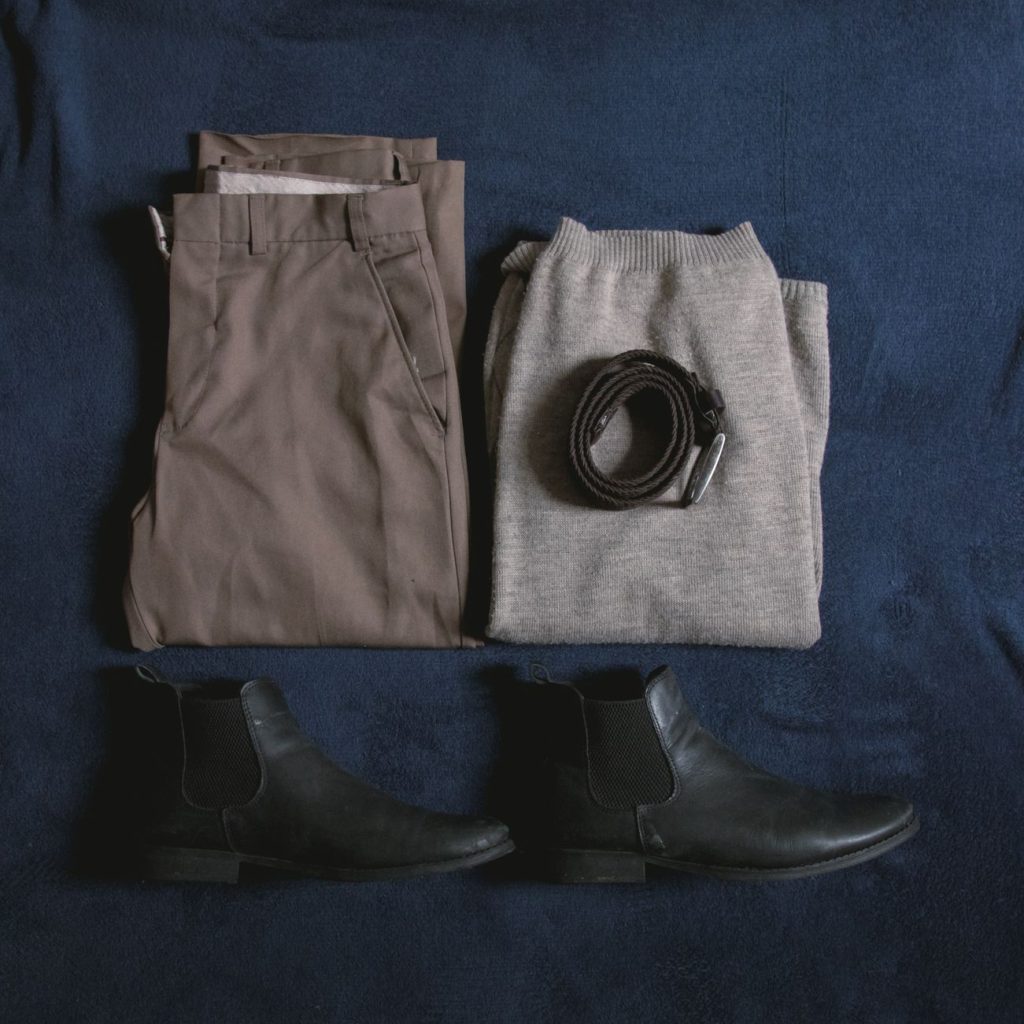
- Closed-toe shoes or ankle boots
Business Casual
Here, professionalism is key but can be approached with a relaxed touch. You can choose from:
- Dress pants or knee-length skirts
- Polos or blouses
- Loafers or low-heeled shoes
Formal
Formal events require polished, sophisticated attire. Options include:
- A tailored suit or tuxedo for men
- An elegant evening gown or cocktail dress for women
- Accents such as cufflinks or statement jewelry to elevate the look
Seasonal Outfit Ideas
Your wardrobe choices will vary with the changing seasons. Here are fresh ideas for each season:
Spring
As temperatures start to rise, consider:
- Lightweight, flowy dresses paired with sandals
- Pastel or floral-patterned tops with cropped pants
- A light jacket for layering during cooler evenings
Summer
Beat the heat with breathable fabrics. Ideal pieces include:
- Maxi dresses for easy, chic looks
- Shorts with a basic tee or tank
- Espadrilles or flip-flops for footwear
Autumn
Layering is key in fall. Try:
- Cardigans or oversized sweaters over turtlenecks
- Jeans and ankle boots
- Scarves for added warmth and style
Winter
Stay warm while looking chic with:
- High-quality coats like trench coats or puffer jackets
- Mixing sweaters with leggings or tailored trousers
- Stylish, insulated boots for comfort and warmth
Color Coordination and Styling Tips
Color plays a vital role in outfit creation. Knowing how to coordinate colors can enhance your overall look.
Understanding Color Theory
Familiarize yourself with the color wheel to create visually appealing combinations. Consider these basics:
- Complementary colors (opposite each other on the wheel) create a dynamic contrast.
- Analogous colors (next to each other) provide a harmonious look.
Creating Outfits with Neutrals
Neutrals can serve as a foundation for any outfit. Here are versatile neutrals to incorporate:
- Black, white, gray, beige, and navy are classic options.
- Mixing textures (like leather and cotton) can make a neutral outfit pop.
Styling Accessories for Added Flair
Accessories are a fantastic way to elevate an outfit. Here’s how to choose the right pieces:
Jewelry
- Opt for statement pieces—like bold necklaces or dangling earrings—for a pop of personality.
- Layer delicate necklaces for a chic and trendy vibe.
Bags
Your bag should complement your outfit without overshadowing it. Consider these options:
- A structured tote for work settings
- A crossbody bag for casual outings
Footwear
Your choice of shoes can make or break an outfit. Pay attention to:
- Heels can elongate the legs and add elegance.
- Comfortable shoes, like loafers or chic sneakers, are practical for everyday wear.
Fit and Proportions
Fit is critical in personal style. The right fit flatters your figure and enhances your confidence. Consider these fit tips:
Understanding Your Body Shape
Familiarize yourself with your body shape to understand which silhouettes work best:
- Hourglass: Embrace fitted silhouettes that highlight your waist.
- Pear: A-line skirts and tops with volume can balance your proportions.
- Rectangle: Add ruffles or belts to create curves.
Tailoring for Perfect Fit
Don’t shy away from tailoring. Whether it’s a pair of pants or a dress, a little tailoring can significantly elevate your look.
Caring for Your Garments
Proper garment care extends the life of your wardrobe. Follow these guidelines:
Washing and Drying
- Always check care labels for washing instructions.
- Wash in cold water to prevent shrinking and fading.
- Air drying is gentler and better for the environment.
Storing Clothes
Store garments properly to maintain their shape and longevity:
- Use wooden hangers for dresses and blazers.
- Fold knitwear to prevent stretching.
Shopping Recommendations
When shopping for new additions, consider your existing wardrobe and what items will complement it.
Creating a Thoughtful Shopping List
Identify gaps in your wardrobe and focus on versatile pieces. Think about:
- Color compatibility
- How often you will wear an item
- Your budget and the item’s quality
Importance of Quality Over Quantity
Invest in quality over quantity as a way to build a sustainable wardrobe. Look for:
- Durable materials
- Timeless designs
Embracing Sustainable Fashion
Consider choosing sustainable fashion to minimize your environmental impact. Here’s how:
Support Ethical Brands
Look for brands that emphasize sustainable practices, fair wages, and eco-friendly materials.
Secondhand Shopping
Thrift stores and online resale platforms are excellent options for finding unique, affordable pieces while supporting sustainability.
Common Mistakes to Avoid
There are pitfalls to avoid when curating your style. Here are some common mistakes:
Purchasing Trends without Consideration
While it’s tempting to buy the latest trends, be mindful of what truly complements your body and lifestyle.
Underestimating the Power of Fit
Wearing clothing that doesn’t fit properly can detract from even the best outfits. Prioritize fit over fashion trends.
Your Essential Checklist
Having a checklist can simplify the process of selecting your outfit. Here are some essentials to keep in mind:
- Check the occasion and dress code.
- Consider the weather and layer appropriately.
- Choose items that fit well and reflect your personal style.
- Accessorize thoughtfully to enhance the outfit.
Finding the perfect outfit can be simplified by keeping your unique preferences at the forefront. Embrace creativity, and don’t be afraid to experiment.
To summarize, the key to answering “What should I wear?” lies in understanding your wardrobe, knowing the right dress codes, incorporating seasonal outfits, and appreciating the importance of fit. Apply these insights to your daily routine, and you’ll find outfit selection becoming a much more enjoyable task.
For more guidance on fashion and styling, explore related articles such as What to Wear Today and What Should I Wear Today?.