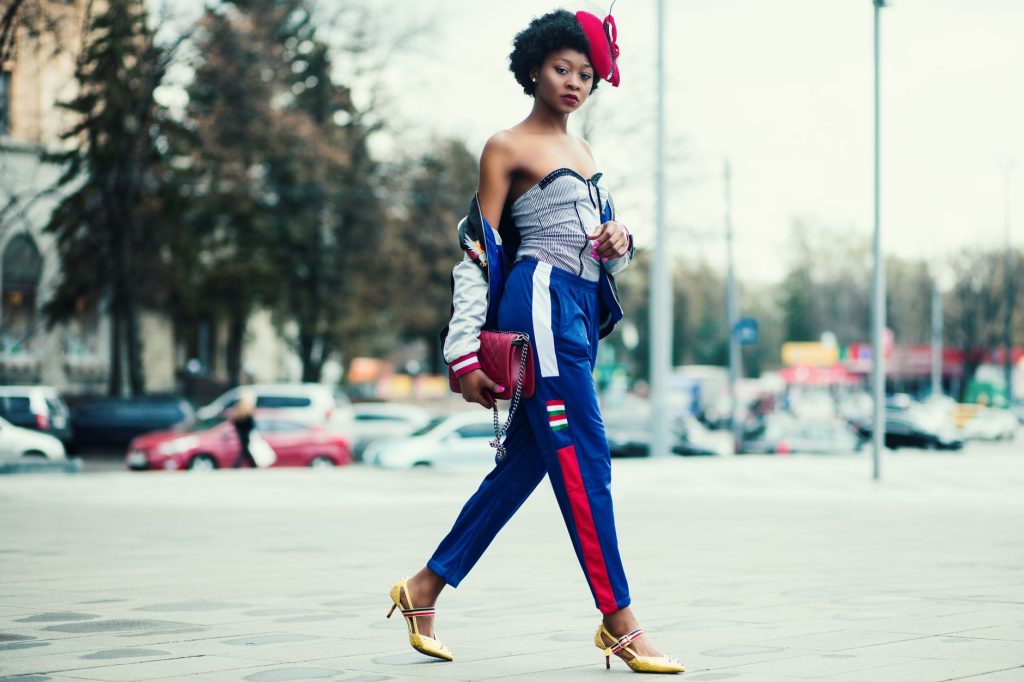
The modeling industry is a fascinating yet multifaceted world that goes beyond just wearing clothes on a runway. It encompasses various types of modeling, from high fashion to commercial, lifestyle to plus-size, each with its unique challenges and rewards. As the industry continues to evolve, understanding its dynamics can provide aspiring models and fashion enthusiasts with valuable insights.
This article explores the different facets of the modeling industry, including the types of modeling, essential skills, the importance of networking, and practical advice for entering the field. Whether you’re considering a career in modeling or simply curious about the industry, this guide offers an engaging overview.
What Is The Modeling Industry Like?
The modeling industry is characterized by a diverse range of opportunities and complexities that require more than just good looks. It involves talent, hard work, and business savvy. The industry is constantly evolving, responding to changes in fashion trends, cultural shifts, and technology. Ultimately, modeling is about conveying artistic visions and making connections with brands and consumers.
Types of Modeling
The modeling industry comprises several distinct categories, each with specific requirements and focus. Understanding these categories can help you determine where you might fit best.
Fashion Modeling
Fashion modeling is often considered the pinnacle of the industry. It includes runway models who showcase designers’ collections during fashion shows and editorial models featured in magazines.
- Runway Models: These models walk the catwalk during fashion week events, showcasing designers’ latest collections. Height and body proportions are typically more uniform, falling within certain industry standards.
- Editorial Models: Editorial models work primarily for magazine shoots, collaborating with photographers and stylists to create visually compelling stories. Diversity in body types and looks has gained importance in this sphere.
Commercial Modeling
Commercial modeling encompasses a wide range of projects, including advertisements, catalogs, and promotional campaigns. Models in this category can work for brands in various sectors, from fashion to beauty to lifestyle products.
- Print Models: These models appear in print media like catalogs and brochures, often requiring more relatable looks that appeal to a broader audience.
- Promotional Models: Promotional models represent brands at events or trade shows, interacting with potential customers and showcasing products.
Plus-Size Modeling
Plus-size modeling has gained notable recognition and acceptance in recent years. Models in this category challenge conventional body standards, promoting body positivity and diversity.
- Fashion Plus-Size Models: These models walk the runway and participate in campaigns specifically targeting the plus-size market.
- Commercial Plus-Size Models: Similar to commercial models, they work in advertisements and promotional materials for plus-size clothing brands.
Fitness and Swimwear Modeling
Fitness and swimwear modeling focus on athleticism and a fit physique. These models often embody a healthy lifestyle and are featured in various campaigns related to fitness brands, swimwear lines, and health products.
Child and Teen Modeling
Child and teen models work in age-specific markets, appearing in campaigns that resonate with younger demographics. This type of modeling often involves additional considerations, including parental involvement and labor laws regarding minors.
Essential Skills for Models
A successful modeling career requires more than just good looks. Here are essential skills to develop:
- Confidence: Confidence is key in modeling. Holding your head high and believing in your abilities can significantly influence how you present yourself.
- Posing Skills: Knowing your best angles and how to pose is vital. Practice in front of a mirror to understand different positions that work for your body.
- Networking: Building connections within the industry can open doors to opportunities. Attend events and engage with other professionals whenever possible.
- Adaptability: The ability to adapt to different styles, settings, and themes will make you an asset on set or during a photo shoot.
- Communication: Clear communication with photographers, designers, and other team members is crucial for achieving the desired outcome.
The Importance of Networking
Networking is a cornerstone of a successful modeling career. Developing relationships with photographers, agents, brand representatives, and other models can help you secure job opportunities. Here are some practical tips:
- Attend Fashion Events: Engage in fashion shows, exhibitions, and product launches to meet industry professionals.
- Leverage Social Media: Utilize platforms like Instagram and LinkedIn to showcase your work and connect with industry figures.
- Join Model Communities: Online forums and local modeling groups can provide valuable connections and advice.
Getting Signed to an Agency
Choosing the right modeling agency can make a significant difference in your career. Here are steps to consider:
- Research Agencies: Look for reputable agencies with a history of successful models and positive reviews.
- Prepare a Portfolio: Create a professional portfolio showcasing a variety of looks. Include headshots and full-body images that highlight your versatility.
- Attend Open Calls: Many agencies hold open calls, where aspiring models can present their portfolios and be evaluated.
- Be Professional: Always be punctual, courteous, and respectful to everyone in the industry, as this can impact your reputation.
Preparing for a Casting Call
Preparation can make a significant difference in your performance at casting calls. Here’s how to get ready:
- Understand the Brief: Know the specifics of what the client is looking for and tailor your look accordingly.
- Choose the Right Wardrobe: Select clothing that complements your body type and presents you at your best.
- Practice Your Walk: If it’s a runway casting, rehearse your walk to ensure confidence when it counts.
- Be Ready to Adapt: Be prepared for on-the-spot directions and willing to adjust your presentation as needed.
Fashion Trends and Adaptability
The modeling industry reflects the dynamic nature of fashion. Models need to stay aware of trends but also maintain their unique style. Here’s how to navigate seasonal fashion trends:
- Follow Fashion Shows: Watch shows during fashion weeks to understand upcoming trends and adapt your portfolio accordingly.
- Diversity in Looks: Experiment with different styles and silhouettes to identify what resonates with you while staying on trend.
- Sustainable Fashion: The rise of sustainable fashion has opened new avenues for modeling, particularly in eco-friendly brands. Familiarize yourself with this sector.
Building a Capsule Wardrobe for Models
Having a versatile wardrobe can simplify your modeling journey. Consider the following essentials that can work across various gigs:
- Classic White Shirt: A fitted white shirt is timeless and can be styled in countless ways.
- Tailored Blazer: Adding a blazer can elevate your look for more formal or structured shoots.
- Skinny Jeans: A pair of well-fitted jeans can serve as a versatile base for multiple outfits.
- Little Black Dress: An LBD is a wardrobe staple that can transition easily from casual to formal settings.
- Quality Footwear: Invest in neutral-colored shoes that can complement various looks, from heels to ankle boots.
Garment Care for Models
Maintaining your modeling wardrobe is essential. Here are some garment care tips:
- Follow Care Labels: Always check garment labels for specific washing instructions.
- Store Carefully: Hang up or fold clothes properly to avoid wrinkles and damage.
- Regular Maintenance: Keep an eye out for small repairs, from buttons to hems, and address them promptly.
Understanding Fashion Photography
As a model, being aware of different photography styles can enhance your performances during shoots. Here are several key photography types:
- Studio Photography: Controlled lighting and settings allow for a creative environment to capture various looks.
- Location Photography: Shooting outdoors can present unique challenges and opportunities, requiring adaptability to different environments.
- Editorial Photography: This style focuses on storytelling through visuals. Collaborating with the photographer is crucial for effective results.
Challenges Faced by Models
The modeling industry isn’t without its challenges. Here are a few to consider:
- Competition: The industry is filled with talent, making it crucial to stand out through hard work and dedication.
- Body Image Issues: Models often face pressures related to body image, making mental health support essential.
- Job Insecurity: Modeling can be unpredictable with varying levels of income and job opportunities.
Conclusion
Entering the modeling industry can be a rewarding experience, offering exciting opportunities for self-expression and creativity. Understanding its dynamics, from the various types of modeling to essential skills and networking strategies, can provide a strong foundation for anyone interested in pursuing this career. Focus on cultivating your skills, building connections, and adapting to a rapidly evolving industry.
For those interested in learning more about how to break into modeling or understanding industry salaries, consider checking out our guides on how to become a model and modeling industry salary. These resources can offer further insights and practical advice.