Capturing the perfect picture can feel like a daunting challenge, especially when you’re striving to look your best. The way you pose can make a significant difference in how your personality and style shine through the photograph. With the right techniques, you can enhance your photos and showcase your outfit in the best light.
This article explores effective posing strategies, outfit suggestions, and essential tips to elevate your picture-perfect moments, whether for social media, professional portfolios, or cherished personal memories.
What Is The Best Way To Pose For Pictures?
The best way to pose for pictures involves a combination of understanding your body, selecting the right angles, and expressing natural confidence. Posing strategies can vary depending on the situation, but some fundamental techniques will always improve your overall appearance in photos.
Understanding Your Body and Angles
One of the primary considerations when posing is knowing your body and which angles flatter it the most. Here are some key points to keep in mind:
- Body Awareness: Familiarize yourself with your body shape and identify your best features. Are your legs longer than your torso? Does your waist curve attractively? Knowing these aspects helps you choose poses that enhance your silhouette.
- Angles Matter: Turn your body slightly to the side rather than facing the camera straight on. This technique creates depth and showcases your figure in a more flattering way. Tilt your chin to prevent a flat, lifeless look.
- Find Your Knees: Positioning your knees can make a big difference. If you’re standing, try putting most of your weight on one leg. This can create soft curves and dynamics in your pose.
Posture and Alignment
Good posture is essential for great photographs. It not only conveys confidence but also helps define your silhouette. Here are some posture tips:
- Keep Your Back Straight: To convey elegance, stand tall with your shoulders back. Avoid slouching, as it can detract from your overall appearance.
- Relax Your Body: Tension can show in your pictures. Remember to breathe and loosen your body, especially your hands and arms. Try to shake out any stiffness before posing.
- Your Hands Matter: Avoid letting your arms hang limply by your sides. Instead, position your hands on your hips, gently touching your face, or holding onto your outfit to create lines and interest.
Pose Types for Various Settings
Different scenarios call for different poses. Whether you’re taking a casual selfie or a formal portrait, knowing which pose to adopt can enhance the effect of the photograph.
Casual Poses for Everyday Photos
When capturing casual moments, you want to project a natural vibe. Consider the following poses:
- The Candid Smile: Instead of forcing a smile, engage in conversation with friends or laugh naturally to capture a genuine moment.
- Over-the-Shoulder Look: Stand with your back slightly to the camera and glance over your shoulder for a playful, inviting pose.
- Sitting Poses: When seated, cross your legs at your ankles for a relaxed look. Lean slightly forward to engage the viewer.
Formal Poses for Professional Settings
In a professional context, you want to balance professionalism with approachability. Here are some tips:
- The Power Pose: Stand tall with feet shoulder-width apart, hands on your hips, and chest open. This pose conveys confidence and strength.
- Seated Professional: Sit straight with your back against the chair. Position your hands elegantly on your lap or the table, showcasing your outfit while maintaining professionalism.
- Crossed Arms: While typically associated with defensiveness, crossed arms can appear confident when you lean slightly forward and make direct eye contact with the lens.
Fun and Creative Poses
If you want to express your personality, don’t hesitate to mix in playful poses:
- The Jumping Shot: Capture movement by jumping mid-air. This can add excitement and energy to your images.
- In-Action Shots: Walk towards or away from the camera, or pretend to adjust your hair or outfit to create dynamic, lively photos.
- Group Poses: Incorporate fun poses with friends, like forming a pyramid, using playful arm movements, or stepping back to create depth.
Choosing the Right Outfit
Your outfit plays a crucial role in how you pose for pictures. Here are several outfit ideas and styling advice to help you look your best:
Colors and Textures
Selecting the right colors and textures can amplify your visual appeal in photographs:
- Choose Flattering Colors: Colors that complement your skin tone will enhance your natural glow. Jewel tones and earthy shades tend to be universally flattering.
- Avoid Busy Patterns: While patterns can be stylish, they can distract in photos. Opt for solid colors or subtle patterns that do not overpower your features.
- Incorporate Textures: Textured fabrics such as knits, lace, or denim provide an interesting visual contrast that can enrich your photographs.
Silhouettes and Fit
Understanding silhouettes can help you create visually impactful images. Here are some considerations:
- Opt for Tailored Fits: Well-fitting clothing enhances your shape and provides a polished appearance. Baggy clothes can create an unkempt look.
- Highlight Your Best Features: Choose styles that accentuate your waist, legs, or shoulders. For instance, A-line dresses create a flattering silhouette for many body types.
- Layer for Depth: Layering can add interest to your outfit. Long cardigans, blazers, or shawls can provide dimension and movement in your photographs.
Accessorizing to Enhance Your Look
Accessories can significantly complete an outfit and add flair to your poses. Here are some practical suggestions:
- Choose Statement Pieces: Bold jewelry, hats, or scarves can draw attention to your placement within the picture. They should complement rather than compete with the outfit.
- Consider Proportions: If your outfit is more understated, opt for larger accessories. Conversely, with bold ensembles, select more delicate accents.
- Play with Hand Placement: Incorporate your accessories into your poses. Hold onto your handbag, play with a necklace, or adjust a hat for natural engagement.
Engaging with the Camera
Engaging with the camera helps create visually appealing and authentic images. Here are ways to connect:
- Eye Contact: Looking directly at the camera can convey confidence and connection with your audience.
- Facial Expressions: A genuine smile or interesting expression can add personality. Practice various expressions in the mirror to see what feels natural.
- Body Language: Open body language—like arms uncrossed and a relaxed stance—can invite viewers into your image more comfortably.
Avoiding Common Posing Mistakes
While posing seems simple, there are common pitfalls to avoid to ensure flattering photographs:
- Don’t Overpose: Striking unnatural postures can create stiffness and discomfort. Aim for poses that feel authentic to you.
- Watch Your Angles: Avoid facing the camera straight on or tilting your chin downward, as these can create unflattering shadows and angles.
- Avoid the “Doubled Chin”: To minimize this effect, push your face slightly forward and down while tilting your chin. This technique elongates your neck and gives you a more flattering angle.
Seasonal Considerations
Posing can also differ depending on the season, affecting both the chosen outfits and the overall vibe of the pictures.
Spring and Summer Posing
With warmer weather, the focus is often on fun, light outfits:
- Lightweight Fabrics: Use breathable materials that flow with movement.
- Outdoor Settings: Natural light is your friend. Use vibrant backgrounds like blossoms or beaches to enhance the color palette of your photos.
Fall and Winter Posing
The cooler months offer a chance to layer and add textures:
- Layer Smartly: Use vests, jackets, and scarves creatively to create focal points.
- Cozy Settings: Consider shooting in urban environments or nestled in nature to reflect seasonal aesthetics.
Final Tips for Posing Success
Here are a few additional notes for perfecting your posing:
- Practice Makes Perfect: Spend time practicing poses in front of a mirror. Familiarizing yourself with different angles can increase your confidence when the camera is present.
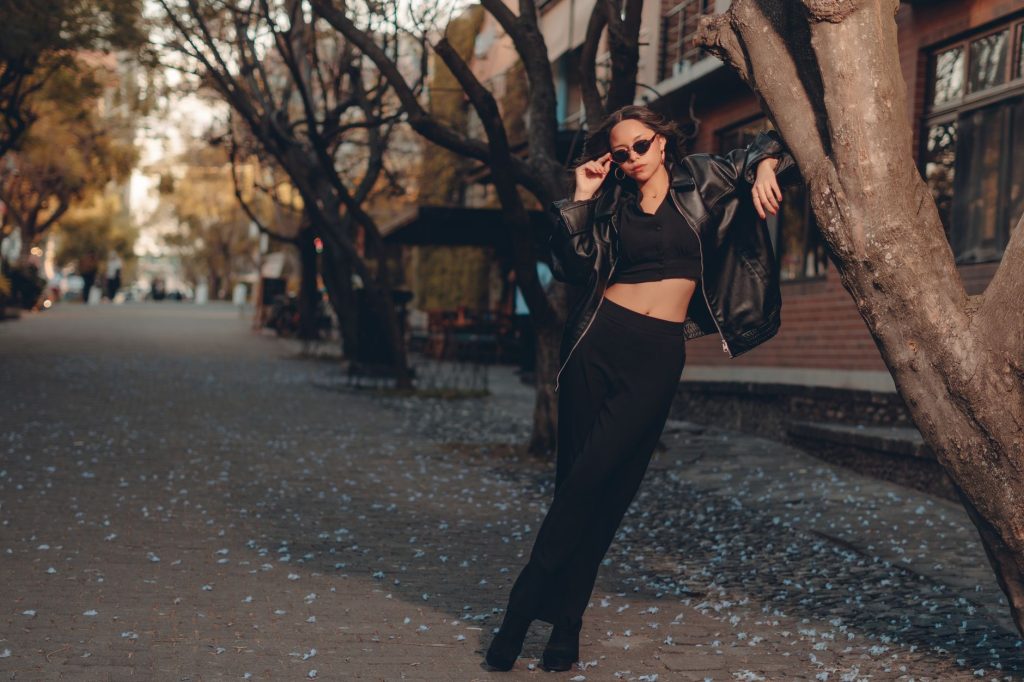
- Involve the Environment: Use props or natural surroundings creatively—leaning against a wall, sitting on a ledge, or standing beside trees can provide context and interest.
- Take Multiple Shots: Don’t hesitate to experiment with different poses and expressions during a shoot. Remember that digital photography allows for abundant opportunities to find your best angle.
Posing for pictures is an art that blends self-awareness, outfit selection, and confidence. By applying the tips and techniques outlined in this guide, you’ll be well on your way to capturing the essence of your style beautifully.
Explore related fashion guides and styling articles such as how to pose for modeling photos for enhanced skills and more insights on posing techniques, or find specific posing suggestions for women to tailor your approach further.