
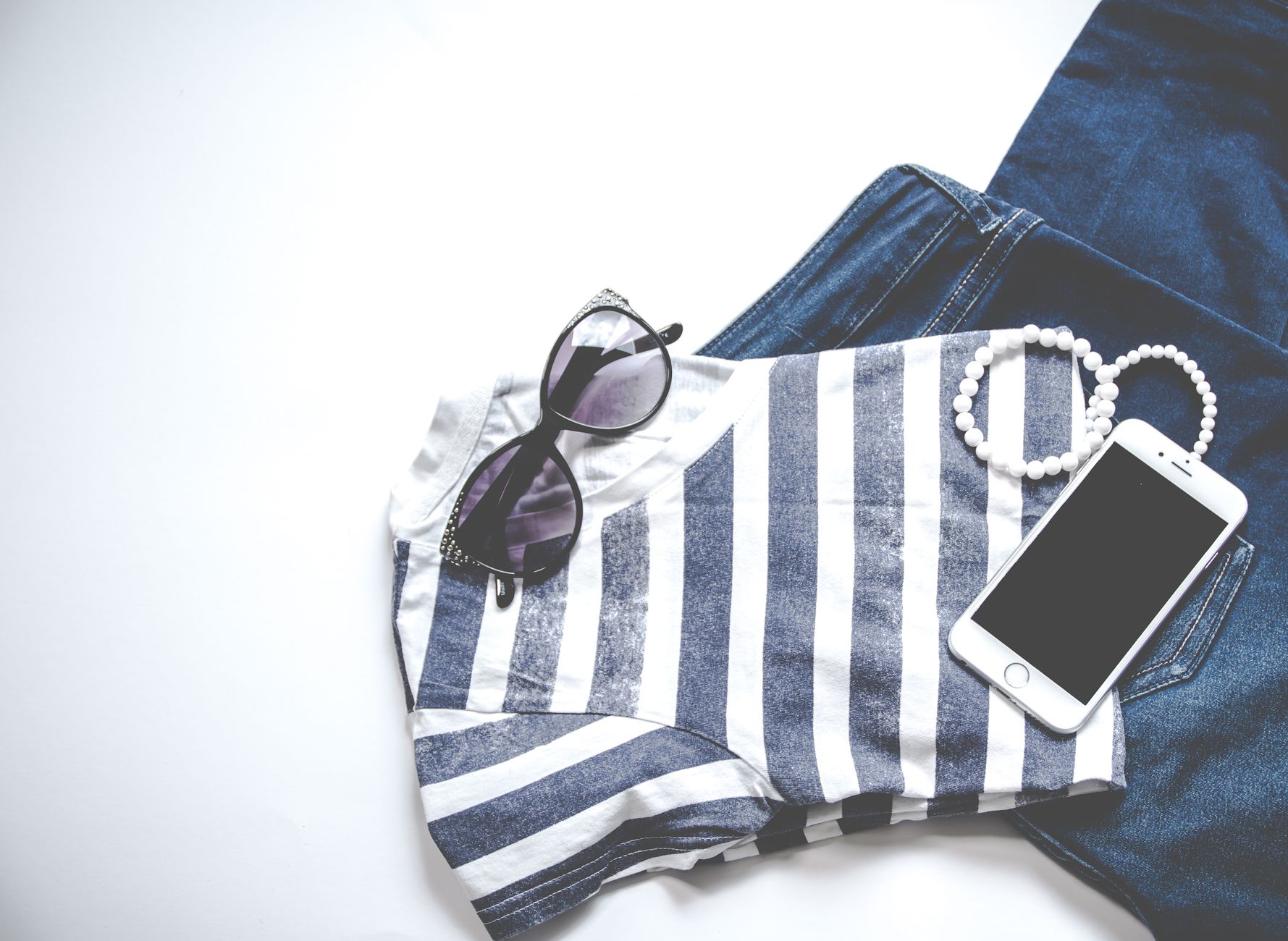
Style is often considered a personal expression, a way to communicate who you are without words. It encompasses choices in clothing, accessories, and even grooming. However, style isn’t just a personal affair; it carries historical and cultural meanings that evolve over time.
Understanding style means exploring its meaning, history, various types, and practical applications in everyday life. This guide aims to break down these concepts, helping you refine your unique style while providing practical tips for incorporating it into your wardrobe.
What Is Style?
Style can be defined as a distinctive manner of expression that encompasses choices in clothing, accessories, and general appearance. It can signify individuality and cultural identity, reflecting both social norms and personal preferences. Style is inherently subjective, differing from one person to another based on taste, body shape, skin tone, and lifestyle.
In the world of fashion, style doesn’t just imply what’s trendy; rather, it’s about how one curates and combines pieces to create an overall aesthetic that aligns with personal values and moods.
The Evolution of Style
Knowing the history of style helps to contextualize modern trends. Style has undergone significant transformations influenced by culture, technology, and social movements.
- Early Styles: In ancient civilizations, clothing was primarily functional, designed for protection and status. Fabrics like linen and wool were common, with colors often derived from natural dyes.
- The Renaissance Era: Fashion became a means of displaying wealth and status. Tailoring techniques improved, leading to garments that were more fitted and ornate.
- The Industrial Revolution: Mass production led to clothing becoming more accessible, changing the concept of style to include ready-to-wear options. This era also paved the way for department stores.
- The 20th Century: The rise of youth culture in the 1960s and 1970s heralded diverse fashion movements like punk, hippie, and disco, embracing individuality and expression.
- Modern Day: Today, style encompasses a global perspective, blending various cultural elements and offering an emphasis on sustainability and inclusivity.
Types of Style
Style can manifest in numerous forms, each showcasing different aesthetics. Familiarizing yourself with varying types can help you identify what resonates with you the most. Here are a few common styles:
- Classic: Timeless pieces that never go out of fashion. Think tailored blazers, crisp white shirts, and little black dresses.
- Bohemian: A laid-back, artistic vibe characterized by flowing fabrics, ethnic patterns, and vintage elements.
- Minimalist: Stripped down to essentials, focusing on clean lines and neutral colors, with an emphasis on quality over quantity.
- Streetwear: Influenced by urban culture, often including oversized silhouettes, graphic tees, and athletic footwear.
- Romantic: Soft, feminine clothing, often with lace, ruffles, and pastel colors, aiming for a dreamy aesthetic.
- Edgy: A bold style often featuring leather, studs, and unconventional patterns, seeking to challenge norms.
- Smart-Casual: A blend of formal and casual attire, appropriate for various settings, often combining tailored pieces with relaxed items.
Finding Your Personal Style
Determining your style can seem daunting, but it’s a rewarding journey. Here’s how to embark on this path:
- Self-Reflection: Take time to figure out what you enjoy wearing and what makes you feel good. Consider your lifestyle and daily activities.
- Inspiration: Look at fashion magazines, blogs, or social media platforms like Instagram and Pinterest for inspiration. Create a mood board of looks that resonate with you.
- Wardrobe Audit: Evaluate your current wardrobe. Identify pieces that you love and wear often, as well as items that no longer serve you.
- Experimentation: Don’t be afraid to try new combinations or styles. Mixing different pieces can often lead to discovering a unique look that suits you.
- Invest in Essentials: Once you identify your style, focus on building a capsule wardrobe with essential pieces that work well together.
Building a Capsule Wardrobe
A capsule wardrobe is a curated collection of clothing that offers versatility and cohesion. Here are some essential components to consider:
- Topwear: Basic tees, casual shirts, and versatile blouses that pair effortlessly with different bottoms.
- Bottoms: Tailored trousers, denim jeans, and skirts that complement various styles and occasions.
- Outerwear: A classic blazer, a tailored coat, or a denim jacket that adds sophistication or edge to any outfit.
- Dresses: A little black dress for formal occasions and a casual day dress for everyday wear.
- Footwear: Quality footwear choices, such as ankle boots, classic flats, and comfortable sneakers.
- Accessories: Scarves, bags, jewelry, and hats that can elevate basic outfits.
Color Coordination and Fabrics
Understanding color coordination and the characteristics of different fabrics can significantly enhance your style.
Color Coordination
Color can evoke feelings and set the tone for your outfit. Here are some essential color principles:
- Complementary Colors: Colors that are opposite each other on the color wheel, such as blue and orange.
- Analogous Colors: Colors that are next to each other on the wheel, like blue, teal, and green for a harmonious look.
- Monochromatic: Utilizing variations of one color creates a cohesive and sophisticated appearance.
Consider trying outfits in neutral palettes for versatility or experiment with bold colors for a statement look.
Understanding Fabrics
The choice of fabric can impact the silhouette and comfort of your outfit. Here are common fabric types and their characteristics:
| Fabric | Characteristics |
|---|---|
| Cotton | Breathable, soft, and versatile, an everyday staple. |
| Wool | Warm and durable, suitable for colder temperatures. |
| Linen | Lightweight and breathable, ideal for warmer weather, but prone to wrinkling. |
| Silk | Luxurious and smooth, offers a beautiful drape. |
| Denim | Durable and casual; perfect for everyday wear. |
Layering for Style
Layering is not just functional; it can create dimension and interest in your outfit. Here are strategies for effective layering:
- Start with Basics: Begin with a fitted base layer, like a simple T-shirt or tank top, to create a smooth foundation.
- Add Mid-Layers: Incorporating cardigans or lightweight sweaters can offer warmth and style.
- Outer Layer: Use structured outerwear, such as a trench coat or blazer, to complete the look.
- Accent with Accessories: Scarves, hats, and accessories can add a personal touch while offering warmth.
Seasonal Dressing
Adapting your style according to the seasons can enhance your wardrobe’s versatility. Here’s a brief look at how to dress for different seasons:
- Spring: Light layers with florals or pastels; incorporate lightweight fabrics like cotton.
- Summer: Focus on breathable fabrics; opt for shorts, sundresses, and sandals.
- Fall: Embrace layers with heavier fabrics; think flannels, knitwear, and boots.
- Winter: Prioritize warmth with wool and insulated fabrics; include cozy sweaters and stylish outerwear.
Dressing for Different Occasions
Understanding how to dress for specific occasions ensures that you present yourself appropriately while remaining comfortable. Here are guidelines for different dress codes:
- Workwear: Aim for tailored pieces or business casual attire like blazers over smart trousers. Stick to neutral colors and conservative fits.
- Casualwear: Comfortable yet stylish; you might wear jeans and a well-fitted tee or relaxed dress paired with sneakers.
- Formalwear: Opt for elegant dresses or tuxedos, focusing on rich fabrics and classic colors.
- Occasion Dressing: Suit the event by considering the location and social context, opting for outfits that respect the theme while highlighting your individual style.
Footwear and Accessories
The right shoes and accessories can transform an outfit. Here’s how to choose wisely:
Footwear
Consider practicality and style when selecting footwear:
- Sneakers: Great for casual outings and comfort.
- Flats: Offer versatility, suitable for work and casual events.
- Heels: Can elevate a look for formal occasions but ensure comfort for prolonged wear.
- Boots: Perfect for fall and winter, ranging from ankle to knee heights.
Accessories
Accessories can accentuate your outfit, providing a personal touch:
- Statement Pieces: Bold jewelry or distinctive bags can be focal points in an outfit.
- Scarves: Versatile in function and style, useful for layering and adding color.
- Hats: Can provide both style and sun protection.
Garment Care
Proper care extends the life of your clothes, allowing you to enjoy them longer. Here are general tips:
- Follow Care Labels: Always check the manufacturer’s care instructions before washing.
- Washing: Use cold water for most garments to prevent shrinking and fading.
- Drying: Air dry when possible; avoid high heat from dryers, as this can damage fabrics.
- Storage: Keep clothes in a cool, dry place, using appropriate hangers or storage bins to maintain shape.
Shopping Tips
Shopping thoughtfully is crucial to building a wardrobe that reflects your style. Consider these tips when purchasing:
- Quality over Quantity: Invest in well-made pieces rather than buying many cheaper items.
- Fit is Key: Ensure clothes fit well, as proper fitting can enhance appearance regardless of trends.
- Consider Versatility: Look for items that can be mixed and matched with other pieces in your wardrobe.
- Seasonal Sales: Take advantage of seasonal sales to invest in staple pieces at reduced prices.
Final Thoughts
Style can be seen as an art of self-expression, showcasing your individuality through clothing and accessories. Understanding its meaning, history, and how to effectively implement it can empower you to curate a wardrobe that not only fits your lifestyle but also resonates with your personality.
Applying these insights and tips to your wardrobe will facilitate the journey to find your personal style. Explore additional outfit ideas or styling tips to further enhance your fashion journey!
Visit our guide on styling linen pants or check how to find your style for more inspiration and advice.