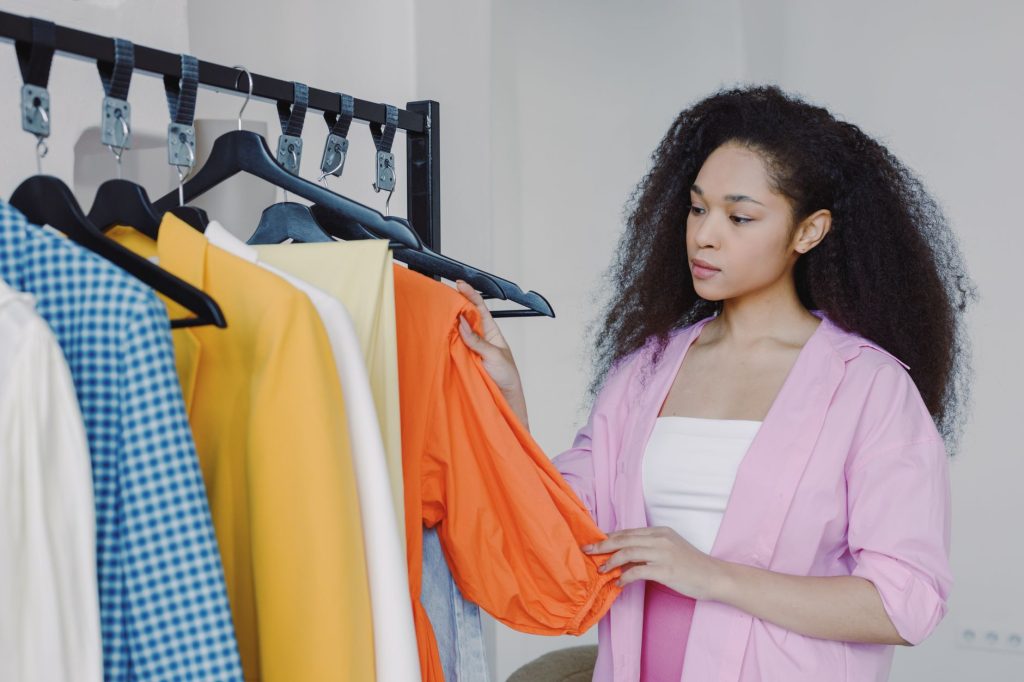
Finding your personal style is an empowering journey that allows you to express your individuality and confidence through fashion. Each person’s style is unique, influenced by factors like lifestyle, body shape, preferences, and even cultural background. This guide will help you explore your fashion sensibilities, build a wardrobe that reflects your true self, and navigate various style landscapes.
In this article, we’ll provide practical steps, outfit ideas, tips on seasonal fashion, and advice on essential wardrobe pieces to help you define and refine your style. Whether you’re just beginning this journey or looking to refresh your aesthetic, these guidelines will cater to all preferences and body types.
How To Find Your Style?
To find your style, start by identifying your personal preferences through inspiration, analysis of your current wardrobe, and understanding your body type and lifestyle. Gradually incorporate elements that resonate with you, and most importantly, be patient and flexible during this exploration.
Exploring Personal Style Influences
The first step in finding your style is to gather inspiration. Explore various sources to discover what styles resonate with you. Follow these methods:
- Fashion Magazines and Websites: Browse through fashion magazines or websites that highlight trends and styling tips. Pay attention to the outfits that catch your eye.
- Social Media: Platforms like Pinterest and Instagram are treasure troves for style inspiration. Create boards or save posts that reflect your favorite looks.
- Fashion Shows: Watch fashion shows online to see how designers interpret styles through unique pieces. While high fashion may not be practical for everyday wear, it can spark ideas.
- Street Style: Observe people around you, whether in urban environments or at events. Street style often reflects real-life wearability and creativity.
Analyzing Your Current Wardrobe
A wardrobe audit can help you identify what you currently own and what aligns with your evolving style. Follow these steps:
- Empty Your Closet: Take everything out and assess each piece. This gives you a clear view of what you have.
- Evaluate Each Item: Decide if each piece fits your current style by asking the following questions:
- When did I last wear this?
- Does it fit well?
- Does it make me feel good?
- Create Categories: Group items into categories: keep, donate, repair, and discard. This process helps identify staple pieces and those that no longer serve you.
Understanding Your Body Type
Your body shape can influence your clothing choices, and recognizing your unique silhouette is crucial in finding styles that flatter you. Common body types include:
- Hourglass: Balanced proportions with a defined waist. Aim for fitted clothing that accentuates curves.
- Pear: Hips wider than shoulders. Look for A-line silhouettes and tops that define the waist.
- Apple: Broader shoulders and bust with a less defined waist. Opt for structured tops that enhance the neckline and flowy bottoms.
- Rectangle: Straight body shape with minimal curves. Create the illusion of curves with peplum tops and layered outfits.
Remember to embrace your shape and find pieces that enhance your natural form, rather than conforming to trends that may not suit you.
Defining Your Lifestyle Needs
Your personal lifestyle plays a significant role in determining your style choices. Consider the following:
- Work Environment: Do you have a professional dress code, or is your office more casual? This will affect what you choose for work attire.
- Social Activities: Do your hobbies or social gatherings require specific attire, like activewear or cocktail dresses?
- Climate: Your geographical location influences fabric choices and layering techniques to suit different seasons.
Understanding your daily activities will help you build a versatile wardrobe that works for you.
Identifying Your Color Palette
Color can drastically impact your overall look. Discovering a color palette that complements your skin tone can enhance your wardrobe. Follow these steps:
- Skin Tone Analysis: Determine if your skin undertone is warm, cool, or neutral. Warm undertones usually pair well with earthy colors, while cool undertones suit jewel tones.
- Experiment with Color: Try out different shades and see how they make you feel and how they reflect your personality.
- Build a Versatile Palette: Select colors that can be mixed and matched easily to maximize outfit combinations.
Choosing Essential Wardrobe Pieces
Building a foundation with essential pieces will ensure you have a reliable base to create outfits. Here are key items to consider:
Basic Tops
- Neutral t-shirts and blouses in solid colors.
- Versatile button-up shirts for layering.
- Statement tops for when you want to stand out.
Bottoms
- Classic denim jeans that flatter your body shape.
- Tailored trousers for a polished look.
- A-line or pencil skirts for feminine flair.
Dresses
- Casual day dresses for comfort.
- Wrap or shift dresses that can easily transition from day to night.
Outerwear
- A fitted blazer for professional settings.
- A classic trench coat or denim jacket for layering.
- A cozy oversized cardigan for relaxation.
Footwear
- Classic flats for everyday wear.
- Comfortable sneakers for casual outings.
- Heels or ankle boots for added sophistication.
Creating Outfit Formulas
Outfit formulas simplify the styling process. Here are a few versatile combinations:
- Casual Day: T-shirt + jeans + sneakers + denim jacket.
- Professional Look: Button-up shirt + tailored trousers + blazer + loafers.
- Evening Out: Little black dress + statement necklace + heels.
- Weekend Brunch: Wrap dress + sandals + oversized handbag.
These combinations can be customized based on your personal touches, like accessories or color palette adjustments.
Seasonal Fashion Adaptation
Your style should evolve with the seasons. Be mindful of the following seasonal wardrobe transitions:
Spring/Summer
- Light fabrics, bright colors, and airy silhouettes are ideal.
- Incorporate floral prints and lighter footwear.
- Add layers with lightweight cardigans or kimonos for cooler evenings.
Fall/Winter
- Choose warmer fabrics, such as knits and wool.
- Opt for layered looks to stay cozy, like turtlenecks under dresses or blazers.
- Accessorize with scarves, boots, and hats for extra warmth and style.
Understanding Different Dress Codes
Different occasions call for various dress codes. Understanding how to navigate these can elevate your style choice. Here’s a quick guide:
- Casual: Relaxed and comfortable. Think jeans, sneakers, and t-shirts.
- Business Casual: Smart, yet relaxed. Combine tailored trousers with blouses or a structured dress.
- Cocktail: Semi-formal attire for events. A knee-length dress or elegant top with tailored bottoms works well.
- Formal: Full evening gowns, tuxedos, or well-tailored suits.
Adding Accessories for Personal Touch
Accessories can define your style and add unique touches to outfits. Consider these versatile options:
- Jewelry: Opt for classic pieces (like stud earrings) or statement jewelry depending on your outfit and occasion.
- Bags: Choose bags that match your lifestyle needs, from casual totes to structured handbags.
- Belts: Use belts to cinch dresses or add shape to oversized tops.
- Watches and Sunglasses: Timeless accessories that enhance any outfit.
Shopping Smart
When expanding your wardrobe, approach shopping thoughtfully to maintain a functional closet. Here are tips for effective shopping:
- Make a List: Identify what pieces you need based on your wardrobe audit and style goals.
- Set a Budget: Establish a budget to avoid impulse purchases, and stick to it.
- Quality Over Quantity: Invest in fewer, high-quality items that last over time.
- Try Before You Buy: Always try on items when possible to assess fit and comfort.
Embracing Sustainable Fashion
As you curate your style, consider the impact of your fashion choices. Embracing sustainable fashion can enhance your style credibly while being environmentally conscious. Here are ways to support sustainability:
- Buy Second-Hand: Thrift or shop vintage for unique pieces and reduce waste.
- Support Ethical Brands: Research brands that prioritize sustainability in their production process.
- Care for Your Clothes: Proper washing and maintenance can extend the lifespan of your wardrobe.
Fit and Proportion Guidance
Ultimately, how clothes fit is more important than how they look on the rack. Here are fit and proportion guidelines:
- Tailoring: Don’t hesitate to take pieces to a tailor for adjustments, especially for formal wear.
- Proportions: Balance fitted pieces with looser items. For example, pair a fitted top with wide-leg trousers.
- Length Matters: Be mindful of where clothes hit on your body—hem lengths can greatly affect overall balance.
Finding your style is a dynamic process that evolves over time. Embrace experimentation, gather inspiration, and most importantly, dress in a way that makes you feel authentic. Fashion should be fun, empowering, and reflective of who you are!
To continue your style journey, consider exploring related fashion guides and styling articles, such as how to style floral dresses or learning more about capsule wardrobes.