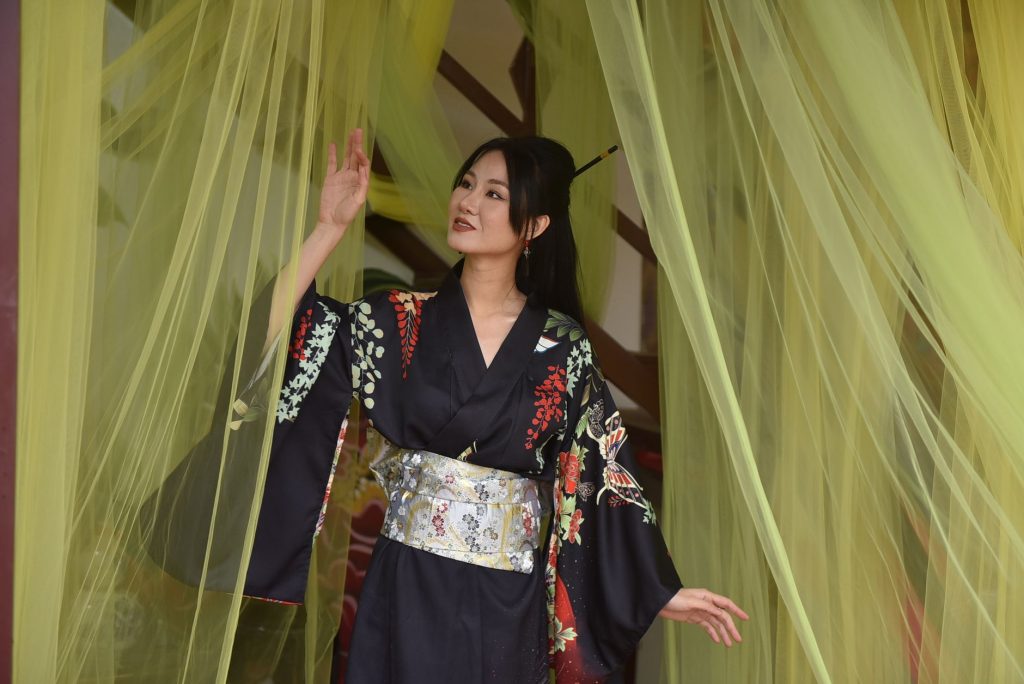
The kimono is a traditional Japanese garment characterized by its unique T-shaped design, long sleeves, and wrap-around silhouette. Often made from silk, cotton, and other fabrics, kimonos are steeped in cultural significance and artistry, with each piece showcasing intricate patterns and beautiful colors.
As fashion has evolved, the kimono has transcended its traditional roots, becoming a versatile wardrobe staple that adds elegance and flair to modern outfits. This article will explore the history, styling tips, variations for different settings, and how to incorporate kimonos into today’s personal style.
What Is A Kimono?
A kimono is a traditional Japanese garment that has been worn for centuries. Its unique construction features wide sleeves, a wrap-around design, and intricate patterns, showcasing Japan’s rich textile traditions. Kimonos have become increasingly popular globally, evolving into modern variations suitable for various fashion contexts.
History and Cultural Significance
The history of the kimono dates back to the Heian period (794-1185), when it was first worn by the Japanese aristocracy. Over the centuries, the style, fabric, and decoration evolved, becoming closely tied to specific rituals, seasons, and occasions. Kimonos have historically played crucial roles in ceremonies such as weddings and tea ceremonies.
In contemporary Japan, kimonos remain a symbol of cultural pride, often worn during special events, festivals, and celebrations. The garment is so significant that the Japanese government has designated it as an important intangible cultural asset.
Types of Kimonos
Modern interpretations of the kimono come in various styles, making it a versatile addition to any wardrobe. Here are some notable types of kimonos to consider:
- Furisode: This is a formal kimono characterized by its long, flowing sleeves, often worn by unmarried women during special occasions such as weddings.
- Tomesode: Typically worn by married women, this kimono features shorter sleeves and is often adorned with elegant designs, suitable for formal gatherings.
- Yukata: A lightweight cotton kimono often worn during summer festivals or at ryokans (traditional inns). Yukatas are more casual and typically feature vibrant prints.
- Hakama: Traditionally worn over a kimono, this is a type of pleated trouser skirt, often associated with martial arts or formal ceremonies.
- Haori: A hip-length jacket worn over a kimono, typically used for added warmth and style.
Modern Kimonos in Fashion
Today, kimonos have made a significant impact on global fashion, appearing in various forms within casual wear, layered styles, and even haute couture. Designers often reinterpret kimonos using contemporary fabrics and colors, bridging the gap between traditional aesthetics and modern trends.
Incorporating Kimonos into Your Wardrobe
Do you want to infuse some style and flair into your outfits? Here are some practical styling tips to incorporate kimonos into your everyday wardrobe.
1. Casual Daywear
For a relaxed yet stylish look, pair your kimono with:
- A basic fitted t-shirt or tank top for a balanced silhouette.
- High-waisted jeans or denim shorts for an easygoing vibe.
- Flat sandals or stylish sneakers for comfort and ease.
2. Layered Look
Kimonos are fantastic layering pieces, especially in transitional seasons. Try:
- Wearing a lightweight kimono over a fitted turtleneck and slim-fit trousers for a chic, structured appearance.
- Opting for a longer kimono with wide-leg pants or a midi skirt for a bohemian touch.
- Pairing the kimono with a lightweight scarf to add texture and warmth without bulk.
3. Evening Elegance
For a more sophisticated look for evening outings or events, consider:
- A silk or satin kimono over a fitted dress for an elegant ensemble.
- Styling your kimono cinched at the waist with a statement belt for added structure.
- Accessorizing with statement earrings or a clutch to complete the look.
4. Seasonal Adaptations
The versatility of the kimono allows it to be worn across seasons. During colder months:
- Layer it with a fitted turtleneck underneath and add an outerwear piece like a long coat or trench.
- Choose heavier fabrics like wool or thicker cotton for warmth.
In warmer months:
- Opt for lightweight, breathable fabrics to ensure comfort in the heat.
- Pair the kimono with shorts or lightweight skirts to maintain airflow.
Addressing Common Styling Mistakes
To maximize the beauty of your kimono, avoid these common styling traps:
- Overly bulky layers: Keep the kimono as the focal point; avoid layering too many oversized pieces.
- Ignoring body type: Choose kimonos that complement your figure, considering sleeve lengths and patterns.
- Color clashes: Choose colors that harmonize with the rest of your outfit; a printed kimono can pair well with solid colors.
Accessorizing Your Kimono
Accessories can elevate your kimono ensemble, adding personality and flair. Consider these suggestions for a polished look:
- Belt: A simple belt can define your waist and create a tailored silhouette.
- Jewelry: Keep it minimal with stud earrings or statement necklaces to avoid overwhelming the kimono’s patterns.
- Scarves: A lightweight scarf can add dimension and sophistication when draped around the neck or tied at the waist.
- Footwear: Choose sandals, mules, or ankle boots depending on the look you want to achieve.
Seasonal Kimono Trends
As fashion continues to evolve, certain trends emerge that highlight the kimono’s adaptability. Here are some noteworthy trends to watch:
1. Belted Kimonos
In recent seasons, belted kimonos have surged in popularity. This design offers a modern twist while providing structure. This silhouette flatters various body shapes and can be dressed up or down depending on the occasion.
2. Printed and Textured Fabrics
Textured finishes and unique prints can help you stand out. Velvet or brocade kimonos bring an opulent feel to evening wear, while bold prints can energize casual outfits.
3. Kimono-Style Dresses
The kimono has inspired a new trend in dress design. Kimono-style dresses typically feature similar wrap-around designs, allowing for a comfortable yet elegant fit, perfect for various occasions.
Color Coordination with Kimonos
Understanding how to match colors can enhance your outfit’s overall appeal. Here are some tips on color coordination when wearing kimonos:
- If the kimono is heavily patterned, opt for solid-colored bases to allow the kimono to be the standout piece.
- For a monochromatic look, choose shades of one color family that complement each other, creating a chic and refined outfit.
- Use color wheels to understand complementary colors, leveraging bold hues with lighter or muted shades for balance.
Fabric Choices and Care Tips
Kimonos come in a variety of fabrics, each requiring specific care to maintain their beauty:
- Silk: Luxurious but delicate, silk kimonos should be dry-cleaned or hand-washed using gentle detergent in cold water.
- Cotton: More forgiving, cotton kimonos can be machine washed on a gentle cycle and ironed on a low setting.
- Polyester: Synthetic fabrics are typically wash-and-wear and resistant to shrinking, making care easier; machine wash and tumble dry as needed.
Storage Tips
To keep your kimono in top condition:
- Store kimonos hanging in a cool, dry place to prevent creasing.
- Avoid hanging in direct sunlight to prevent fading.
- Use padded hangers to help maintain their shape.
Sustainable Fashion and Kimonos
As the fashion industry emphasizes sustainability, kimonos can be an excellent choice for environmentally conscious consumers. Consider the following:
- Invest in high-quality kimonos made from sustainable fabrics. This not only supports ethical production but also ensures longevity.
- Opt for vintage or second-hand kimonos. This approach promotes sustainability by extending the life cycle of garments.
- Gift or repurpose old kimonos creatively through crafts or DIY projects.
Shopping for Kimonos
When shopping for kimonos, keep these considerations in mind to find the perfect piece:
- Fit: Ensure you try on different sizes and styles; the kimono should be comfortable and not overly restrictive.
- Fabric: Be aware of fabric types and choose ones that align with your lifestyle and care preferences.
- Budget: Determine your budget and explore both high-end and affordable options that suit your style.
- Ethical Brands: Research brands that are known for their ethical production practices to support sustainable fashion.
Final Thoughts
A kimono is more than just a garment; it is a representation of culture, elegance, and versatility. By understanding its historical significance, various styles, and practical styling advice, you can seamlessly incorporate this beautiful piece into your wardrobe. Whether dressing up for an event or keeping it casual, the kimono offers endless possibilities for personal expression.
To further enhance your fashion knowledge, explore our guides on traditional Indian design and boho style for more inspiration and outfit ideas.