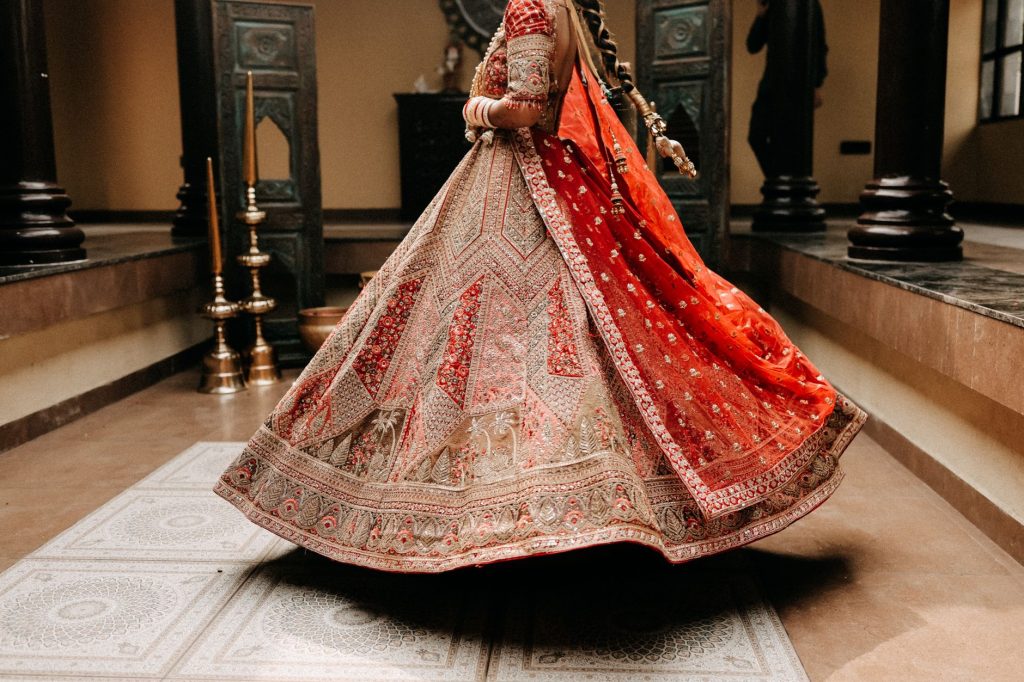
Traditional Indian design encompasses a rich tapestry of cultural heritage, artistry, and craftsmanship. Rooted in diverse regional influences, it celebrates motifs, textiles, colors, and silhouettes that are deeply connected to India’s history and traditions. This article will explore the defining features of traditional Indian design, outfit ideas, styling advice, and how to incorporate these elements into your personal style.
From intricate hand-painted illustrations to luxurious woven fabrics, traditional Indian design offers a unique aesthetic that can add depth and character to any wardrobe. Understanding its components will not only enhance your fashion knowledge but also inspire creativity in your own stylistic endeavors.
What Is Traditional Indian Design?
Traditional Indian design is characterized by its intricate aesthetics, vivid colors, and the use of natural materials. These designs reflect the cultural lineage of India and can be seen in various forms, including textiles, garment styles, and decorative arts. The emphasis on craftsmanship and artisanal skills is pivotal, preserving age-old techniques while catering to contemporary tastes.
Here are some core features that define traditional Indian design:
- Textiles and Fabrics: Cotton, silk, wool, and jute are commonly used, often featuring handwoven patterns and prints.
- Motifs and Patterns: Designs include floral, geometric, and religious motifs, often inspired by nature and mythology.
- Bright Colors: Vivid and contrasting colors are a staple, drawn from natural dyes that mirror the vibrancy of Indian culture.
- Embroidery and Embellishments: Techniques such as Zardozi, Phulkari, and Kantha add dimension and texture to garments.
- Silhouettes: Flowing silhouettes like kurtas, lehengas, and sarees emphasize comfort and elegance.
Incorporating Traditional Indian Design into Your Wardrobe
Infusing traditional Indian design into your everyday wear can be both fun and practical. Here are some tips to help you seamlessly integrate these elements into your wardrobe:
1. Outfit Ideas for Various Occasions
When it comes to traditional Indian attire, there’s a variety of options suitable for different occasions:
- Casual Outings: Pair a cotton kurta with palazzo pants or jeans for a relaxed yet stylish look. Opt for light colors and breathable fabrics for comfort.
- Festivals and Celebrations: A chiffon or silk saree can be draped in numerous styles. Add statement jewelry and traditional footwear like juttis to complete your attire.
- Weddings: Choose an embellished lehenga or a heavy Anarkali suit. Layer with a dupatta for an added touch of elegance.
- Work Events: A tailored kurti with tailored trousers creates a professional yet stylish look. Look for subtle patterns that maintain a formal vibe.
2. Seasonal Styling Advice
Your choice of traditional Indian designs can vary greatly with the seasons. Here’s how to adapt your wardrobe accordingly:
- Summer: Choose lightweight cotton or linen fabrics. Opt for bright, playful colors and prints that are refreshing and light.
- Monsoon: Consider darker hues to camouflage stains and opt for fabrics that dry quickly and breathe well, like cotton blends.
- Winter: Layer with shawls and cardigans made of wool or cashmere. Rich, earthy tones are ideal during this season.
- Spring: Embrace pastel shades and floral motifs to reflect the bloom of the season. Fabrics like silk can add an elegant touch.
3. Capsule Wardrobe Essentials
Creating a capsule wardrobe that includes elements of traditional Indian design can make dressing more straightforward. Here are essential pieces to consider:
- Classic White Kurta: A versatile piece that can be dressed up or down, suitable for various occasions.
- Neutral Palazzo Pants: Comfortable and can be paired with various tops.
- Embroidered Dupatta: Can add a statement element to any outfit, whether draped over a kurta or worn with Western attire.
- Saree: A timeless garment in a color of your choice that is perfect for formal events.
- Comfortable Footwear: Juttis or sandals that add a touch of tradition while being comfortable for everyday wear.
Understanding Color Coordination in Traditional Indian Design
Color plays a significant role in traditional Indian design, conveying emotional undercurrents and aesthetic choices. Here’s how to work with colors:
Color Meanings and Pairings
Familiarize yourself with the cultural significance of colors in Indian design:
- Red: Symbolizes love and prosperity, often worn during weddings.
- Yellow: Represents joy and is often associated with festivities.
- Green: Reflects nature and is calming; ideal for casual outings.
- Blue: Often linked to peace, ideal for both traditional and contemporary looks.
To create cohesive outfits:
- Mix complementary colors such as green with maroon or blue with gold.
- Incorporate a neutral base with bright colors as accents to prevent overwhelming the look.
Accessories and Footwear to Complement Traditional Indian Design
Accessories can dramatically influence the overall impact of your traditional ensemble. Here’s how to select the right pieces:
Key Accessories
Consider the following options when accessorizing:
- Statement Jewelry: Look for pieces like Jhumkas, Bangles, or Neckpieces that reflect Indian craftsmanship.
- Traditional Bags: Tassar bags, clutches with embroidery, or woven jute bags can serve as functional yet stylish additions.
- Scarves and Dupattas: Use them as wraps or headbands to tie your look together thoughtfully.
Choosing Footwear
Footwear can make or break your outfit. Traditional options include:
- Juttis: These handmade flats are comfortable and come in numerous designs, making them a versatile choice.
- Kolhapuris: Perfect for casual wear, these sandals add a rustic charm.
- Block Heels: Great for semi-formal attire, offering both comfort and style.
Sustainable Fashion within Traditional Indian Design
With growing awareness of sustainable fashion, traditional Indian design embraces eco-friendly practices. Here’s how you can be more mindful:
Choosing Ethical Brands
Support brands that focus on:
- Local artisans and craft communities.
- Natural dyes and materials to minimize environmental impact.
- Transparency in their supply chains.
Caring for Your Traditional Garments
Extending the life of your traditional garments helps reduce waste. Follow these care tips:
- Always check the care label for fabric-specific instructions.
- Use mild detergents to clean delicate textiles.
- Store garments in a dry place, using breathable covers to prevent damage.
- Avoid direct sunlight exposure, which can fade colors.
Modern Interpretations of Traditional Indian Design
In contemporary fashion, traditional Indian design is seeing innovative interpretations. Designers are blending traditional techniques with modern styles, leading to fresh, exciting looks.
Key Trends to Watch
Some noteworthy trends include:
- Fusion Wear: Combining Western silhouettes with Indian textiles and prints creates unique styles.
- Upcycled Fashion: Using old garments to create new pieces, promoting sustainability.
- Minimalist Aesthetic: Simplifying traditional designs to appeal to modern sensibilities.
Styling Tips for Fusion Outfits
If you wish to integrate traditional designs into Western styles, consider these approaches:
- Layer a printed kurta over a pair of fitted jeans or trousers.
- Mix a silk saree with a crop top for a contemporary twist.
- Incorporate traditional accessories with modern outfits for an eclectic look.
Common Mistakes to Avoid
When embracing traditional Indian design, keeping a few common pitfalls in mind can help you refine your look:
- Avoid over-accessorizing; let one or two statement pieces shine.
- Don’t be afraid to play with colors, but ensure there’s harmony between your outfit and accessories.
- Be cautious with proportions; ensure that the flow of the garment complements your body shape.
- Experiment, but maintain some aspect of the traditional design to honor its roots.
Embracing traditional Indian design allows you to express individuality and celebrate cultural heritage. By understanding its elements and applying practical styling techniques, you can create outfits that are not only beautiful but also meaningful.
Consider starting with a few key pieces of traditional Indian attire and gradually incorporating them into your everyday style. Experiment with different fabrics, colors, and silhouettes to discover what resonates with you.
Explore related fashion guides and styling articles to further inspire your journey, such as understanding boho style and its elements or checking out our comprehensive blog for more fashion insights.