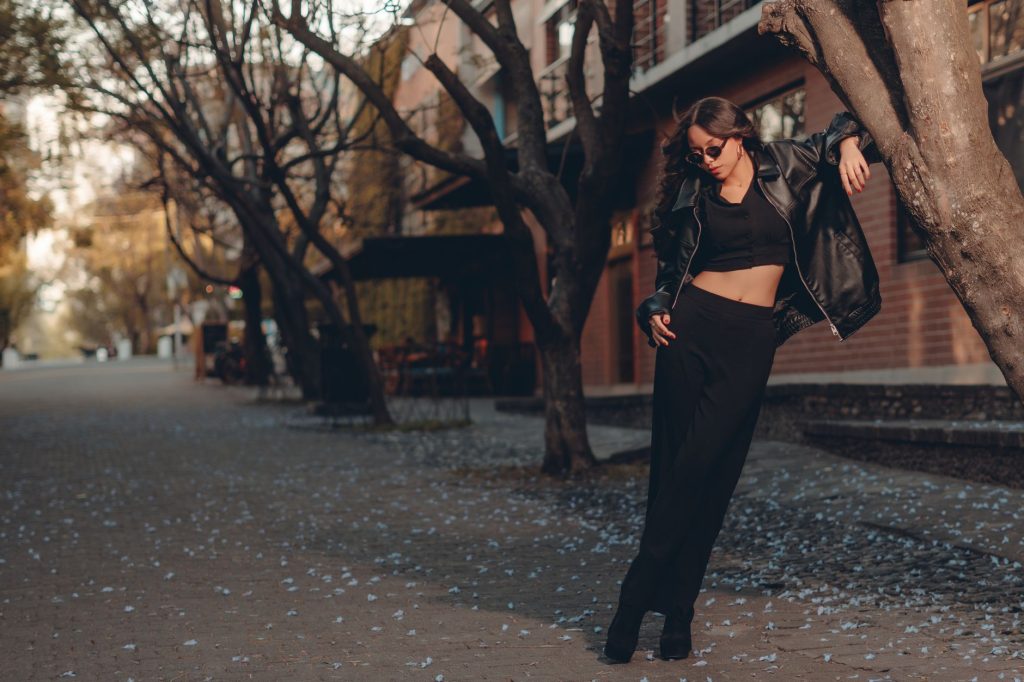
Fashion models possess unique routines that help them maintain their appearance and performance in a fast-paced industry. Their daily schedules encompass fitness regimens, dietary practices, skincare routines, and preparation for shoots or runway shows. Understanding a fashion model’s routine can provide valuable insights into how to style oneself and prioritize self-care.
Whether you are considering entering the modeling world or simply wish to adopt some tips from their routines, this article will explore various aspects of a fashion model’s day-to-day life, covering different areas such as exercise, fashion choices, and personal grooming.
What Is A Fashion Model’s Routine?
A fashion model’s routine consists of various activities that support their health, appearance, and professional obligations. It generally includes workouts, a balanced diet, skincare rituals, wardrobe preparation, and ample rest to ensure they are always runway-ready.
Daily Fitness Regimen
Maintaining a fit physique is crucial for models, as much of the industry revolves around visual aesthetics. While each model may have a unique approach, common elements often include the following:
- Cardiovascular Exercise: Activities such as running, cycling, or swimming help keep the heart healthy and shed any unwanted weight.
- Strength Training: Weight lifting or bodyweight exercises can help tone muscles without bulking up, promoting a lean silhouette.
- Flexibility Work: Practicing yoga or Pilates can improve posture and flexibility, key attributes for striking poses on the runway.
Models typically work out daily, combining various elements to keep their routines interesting. Finding an enjoyable mix will help sustain motivation over time.
Balanced Nutrition
Nourishment plays a significant role in a model’s routine. A balanced diet is important not just for maintaining a healthy weight, but also for ensuring optimal skin health and overall well-being. Here are some common dietary practices:
- Whole Foods: Focusing on fruits, vegetables, lean proteins, and whole grains ensures a nutrient-rich diet. These foods provide the energy needed for workouts and long hours on set.
- Hydration: Drinking plenty of water helps with skin health, metabolism, and energy levels. Many models aim for at least eight glasses a day and increase their intake if exercising.
- Moderation: While some models may cut out certain foods, others emphasize moderation. Enjoying occasional treats while maintaining a healthy baseline can be more sustainable.
Skincare and Beauty Routine
A flawless complexion enhances a model’s appearance and confidence. Most models have established skincare routines tailored to their skin types, which might include:
- Cleansing: Keeping skin clean is vital. Models often use gentle cleansers to remove makeup and impurities, preventing breakouts.
- Moisturizing: Hydrating lotions or serums combat dryness and leave skin looking plump and healthy. SPF is a crucial addition to protect against UV rays.
- Facials: Some models seek professional facials regularly to maintain their skin’s health and appearance.
Creating a personalized skincare routine not only benefits appearance but can be a relaxing part of the day.
Outfit Preparation
Models often have to prepare outfits ahead of time for photoshoots, runway shows, or casting calls. This preparation can involve several key factors:
- Wardrobe Choices: Selecting pieces that highlight their best features is essential. Models often choose outfits that complement their body types and enhance their personal styles.
- Mix and Match: A well-planned capsule wardrobe streamlines outfit preparation. Pairing versatile items, like classic blazers or basic tees, can elevate a range of looks.
- Body Fundamentals: Understanding how various silhouettes fit and flatter is invaluable. Models often experiment with different shapes and proportions.
Taking time to curate outfits can help speed up the process when preparing for work, and helps models stay on top of current fashion trends.
Care for Clothing and Accessories
Keeping clothing and accessories pristine is vital for models. Garment care routines usually involve:
- Washing According to Labels: Following care instructions ensures clothing remains in good condition. Regular laundering may not be necessary for items that require dry cleaning.
- Storage Solutions: Proper storage, such as hanging garments and keeping shoes in their original boxes, helps maintain the shape and quality of pieces.
- Incorporating Accessories: Carefully cleaning and storing jewelry, handbags, and other accessories enhances a model’s overall appearance.
Sleep Hygiene and Rest
Rest is critical for recovery and maintaining a balanced lifestyle. Models prioritize sleep to rejuvenate their bodies and minds. Key components include:
- Consistent Sleep Schedule: Going to bed and waking up at the same times fosters better sleep quality.
- Create a Comfortable Sleep Environment: A cool, dark room is ideal. Comfortable bedding can also make a significant difference in sleep quality.
- Wind-down Routine: Engaging in calming activities, such as reading or meditating, can signal to the body that it’s time to sleep.
The Importance of Professional Networking
Networking plays a pivotal role in a model’s routine. Building and maintaining relationships is vital for career longevity. Effective strategies include:
- Social Media Engagement: Models often use platforms to connect with photographers, designers, and brands, showcasing their work and personality.
- Industry Events: Attending fashion shows, gallery openings, or product launches allows models to meet and interact within the industry.
- Maintaining Professional Contacts: Following up with industry contacts regularly, through email or social media, can foster long-lasting connections.
Emotional and Mental Wellness
Keeping a positive mindset is essential in the competitive fashion industry. Many models incorporate the following practices to promote emotional well-being:
- Meditation and Mindfulness: These practices help models stay calm and focused amid the pressures of the industry.
- Therapy or Counseling: Many models seek professional help to navigate stressors and pressure associated with their careers.
- Maintaining a Support System: Friends and family play a crucial role, providing emotional support and grounding their model in reality.
Sustainable Fashion Practices
With the industry’s growing emphasis on sustainability, many models now advocate for eco-friendly practices. This shift often comprises:
- Choosing Sustainable Brands: Opting for clothing from environmentally-friendly brands helps promote ethical fashion.
- Second-Hand Shopping: Thrifting and vintage shopping reduces waste and encourages creativity in wardrobe choices.
- Promoting Slow Fashion: Advocating for quality over quantity helps reduce the negative impacts fast fashion has on the environment.
Fashion Trends and Staying Updated
Fashion is ever-evolving, and successful models stay informed about current and emerging trends to remain relevant. Key strategies involve:
- Fashion Shows and Trade Fairs: Attending these events keeps models abreast of new collections and styles.
- Following Influencers and Stylists: Engaging with fashion influencers on social media platforms instills inspiration and fresh ideas.
- Reading Fashion Publications: Magazines and online articles provide insights into trends, allowing models to adapt their style accordingly.
Conclusion
A fashion model’s routine is a carefully curated blend of fitness, nutrition, self-care, and professional engagements. By adhering to these practices, models not only maintain their careers but also promote a lifestyle focused on wellness and self-expression. Those interested in adopting elements from a model’s routine can start small, integrating fitness, balanced meals, and personal style experiments into their daily lives.
For more information on becoming a model or preparing for a photoshoot, explore our articles on how to become a model and how models prepare for a photoshoot.