Fashion designers play a crucial role in the creation and development of clothing and accessories. They embody creativity, artistic vision, and technical skills to shape trends and influence the fashion industry. This article delves into the scope of a fashion designer’s work, the skills required, and the process they follow in their craft.
Understanding the role of fashion designers can help you appreciate the artistry in your wardrobe and make more informed choices when selecting your personal style. Whether your interest lies in pursuing a career in fashion design or simply dressing with more intention, this guide provides valuable insights.
What Is A Fashion Designer?
A fashion designer is a professional who creates original clothing, accessories, and footwear by blending aesthetics with functionality. They translate their ideas into wearable garments through sketches, fabric selection, and pattern-making. Typically, fashion designers work for fashion houses, clothing manufacturers, or as independent creatives.
Fashion designers can specialize in various areas, including haute couture, ready-to-wear, sportswear, and children’s clothing. Their work influences how people express their individuality, while also responding to market trends and cultural shifts.
The Skills of a Fashion Designer
To be successful, fashion designers require a combination of artistic skills, technical knowledge, and business acumen. Key skills include:
- Creativity: The ability to think outside the box and visualize unique concepts is essential for designing one-of-a-kind pieces.
- Technical Skills: Proficiency in sewing, pattern-making, and garment construction ensures designers can bring their ideas to life.
- Understanding of Fabrics: Knowledge of different materials and textiles allows designers to select the appropriate fabrics for their designs.
- Fashion Illustration: The ability to sketch ideas helps communicate concepts to clients and manufacturers.
- Trend Awareness: Staying up-to-date with fashion trends and consumer preferences is crucial for creating relevant designs.
- Business Skills: Knowledge of marketing, branding, and production is beneficial for establishing a successful label.
The Fashion Design Process
The journey from concept to finished product involves several stages. Understanding this process can offer insights into how designers work and make it easier to choose your next outfit with intention.
Research and Inspiration
Fashion designers often start with extensive research to gather inspiration. This may include analyzing current trends, exploring historical fashion movements, or drawing from art, culture, and architecture. Creating a mood board with images, colors, and textures can help formulate ideas.
Sketching and Concept Development
Once inspiration is collected, designers begin sketching their concepts. This stage often involves creating multiple designs to explore various styles, silhouettes, and features. Designers may produce rough sketches to convey their vision before refining them into more detailed illustrations.
Selecting Fabrics and Materials
Choosing the right fabrics is a pivotal step in the design process. Fabrics not only impact the aesthetics of a garment but also its functionality and wearability. Designers consider factors such as drape, weight, and texture to ensure their chosen materials align with their vision.
Creating Patterns and Prototypes
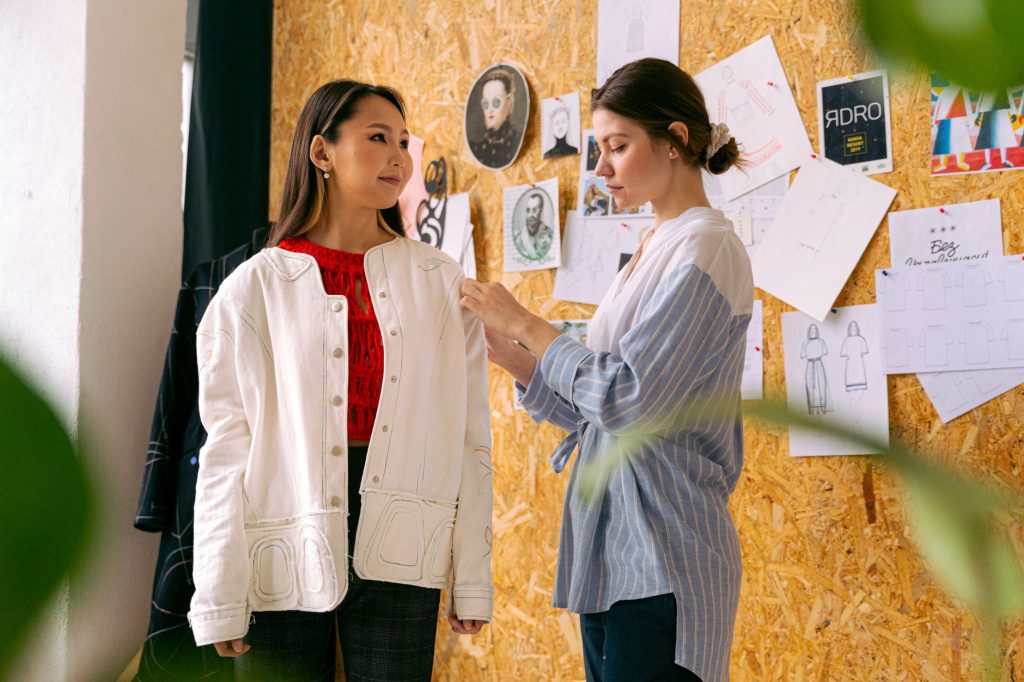
After finalizing designs, the next step involves creating patterns—a blueprint for cutting the fabric. This stage often requires technical knowledge to ensure proper fit and construction. Following this, designers may produce a prototype or sample garment, allowing them to assess the design’s practicality.
Refining the Design
Based on feedback and examination of the prototype, designers may finalize and refine their designs. This could involve adjusting proportions, enhancing details, or even rethinking the overall concept. Collaboration with manufacturers may begin at this stage to ensure production feasibility.
Marketing and Launching the Collection
Once the designs are ready for production, marketing strategies are developed to introduce the collection to consumers. This may involve fashion shows, lookbooks, or online campaigns to showcase the designs. The launch process is crucial to generating interest and sales while establishing the designer’s brand identity.
Types of Fashion Designers
Fashion design encompasses a variety of specialties. Understanding the distinctions among different types of designers can help you navigate the fashion landscape. Here are some of the key categories:
- Haute Couture Designers: These designers create high-end, custom pieces, often seen on runways or red carpets. Their work is characterized by meticulous craftsmanship and luxurious materials.
- Ready-to-Wear Designers: Focusing on garments produced in standardized sizes, these designers offer more accessible fashion options that appeal to a broader audience.
- Sportswear Designers: This specialty emphasizes comfort, functionality, and style, focusing on casual or athletic wear suitable for various activities.
- Accessories Designers: These professionals create items like handbags, jewelry, shoes, and hats to complement the clothing line, focusing on enhancing personal style.
- Children’s Clothing Designers: Catering to the unique needs and styles of children, these designers often incorporate playful elements and durable fabrics into their creations.
Understanding Fashion Trends
Fashion designers often set and respond to trends that reflect societal changes, cultural movements, and technological advancements. The life cycle of a trend can be broken down into identifiable stages:
- Emergence: Designers introduce innovative concepts that start gaining attention, often influenced by art and culture.
- Adoption: Consumers and celebrities begin to embrace the trend, driving its popularity within the marketplace.
- Peak: The trend reaches its height, becoming ubiquitous in fashion collections and consumer wardrobes.
- Decline: Styles may fade as newer trends emerge, leading to a shift in consumer preferences.
Staying attuned to fashion trends allows designers to remain relevant and creative while encouraging consumers to explore new styles for personal expression.
Styling Tips from Fashion Designers
Fashion designers often embody their unique aesthetic in their collections. Here are a few essential styling tips that can help you incorporate designer-inspired looks into your everyday wardrobe:
Outfit Formulas
Creating versatile outfit formulas can simplify your dressing routine. Here are some timeless combinations:
- Casual Chic: A crisp white shirt, tailored jeans, and ankle boots make for a stylish yet relaxed ensemble.
- Classic Elegance: A little black dress paired with elegant heels and understated jewelry is perfect for a variety of occasions.
- Layered Approach: A fitted turtleneck, structured blazer, and wide-leg trousers create a polished look ideal for office wear.
- Weekend Ready: A cozy knit sweater with a pleated midi skirt and sneakers offers comfort while looking effortlessly put together.
Color Coordination
Incorporating color effectively can elevate any outfit. Here are some tips for color coordination:
- Start with a neutral foundation, then add pops of color through accessories or statement pieces.
- Consider the color wheel: complementary colors create bold contrasts, while analogous colors provide a harmonious look.
- Seasonal palettes often influence color choices, so adjust your wardrobe accordingly. For instance, opt for warm tones in fall and cool pastels in spring.
Accessorizing with Intention
Accessories can transform an outfit and add a personal touch. Keep these guidelines in mind:
- Select statement accessories that enhance the outfit without overwhelming it.
- Mix textures and materials—pair leather with silk or denim with metal for visual interest.
- Don’t shy away from layering jewelry; stacking rings or necklaces can add depth to your style.
Building a Capsule Wardrobe
A capsule wardrobe consists of a carefully curated selection of garments that can be mixed and matched to create cohesive outfits. This approach promotes a streamlined dressing process and better purchasing decisions. Key elements to consider include:
- Versatile Basics: Invest in classic pieces like a tailored blazer, a fitted white shirt, and well-fitted jeans that can adapt to various occasions.
- Seasonal Additions: Incorporate seasonal items, such as lightweight fabrics for summer or layering pieces for winter, to accommodate climate changes.
- Color Palette: Choose a cohesive color palette that complements your skin tone and aligns with your personal style to ensure easy mixing and matching.
Transitioning to a capsule wardrobe not only simplifies your daily style choices but also encourages mindful shopping habits and sustainable fashion practices.
Caring For Your Garments
Proper garment care plays an integral role in prolonging the life of your clothing and ensuring they remain in excellent condition. Here are some essential care tips:
Washing and Drying
Always read the care label before washing your clothes. In general, these tips apply:
- Opt for cold water washes to prevent shrinking and fading.
- Avoid overloading the washer; this can lead to inadequate cleaning and excessive wrinkling.
- If possible, air dry your garments to reduce wear and tear caused by heat from dryers.
Storing Garments
How you store your clothing can impact its longevity. Follow these guidelines:
- Use padded hangers for delicate items and fold heavier knitwear to prevent stretching.
- Keep garments in a cool, dry place, away from direct sunlight, to minimize color fading.
- Consider using garment bags for seasonal clothing to protect them from dust and pests.
Sustainable Fashion Design
As awareness of environmental concerns grows, many fashion designers are shifting towards sustainability. This involves using eco-friendly materials, ethical production practices, and promoting circular fashion. Some styles and practices to consider include:
- Eco-Friendly Fabrics: Opt for materials made from organic fibers, recycled textiles, or biodegradable components.
- Zero-Waste Design: Designers focusing on minimizing fabric waste during production often utilize innovative cutting techniques.
- Ethical Production: Supporting brands that prioritize fair labor practices ensures that workers are treated with respect and dignity.
Exploring sustainable fashion not only aligns with environmentally conscious living but can also add a unique dimension to your personal style.
Exploring Fashion Designers and Brands
Fashion designers and brands often embody distinctive aesthetics that can resonate with various preferences. Here are a few notable designers to explore:
- Coco Chanel: Renowned for revolutionizing women’s fashion, Chanel’s designs emphasized freedom and elegance, with notable pieces including the little black dress and tweed jacket.
- Alexander McQueen: Known for his avant-garde and theatrical approach, McQueen’s work pushes boundaries and challenges fashion norms.
- Ralph Lauren: This American designer encapsulates classic Americana through tailored silhouettes and timeless patterns.
- Stella McCartney: A pioneer in sustainable fashion, McCartney’s designs prioritize ethical materials and practices without sacrificing style.
Each designer offers a unique perspective that can inspire personal style and inform wardrobe choices.
Fashion designers contribute significantly to how we view and express ourselves through clothing. Understanding their role can enhance your approach to fashion while guiding you in building a wardrobe that reflects your individuality.
Take a moment to explore your wardrobe and consider applying the insights from this article to make more intentional styling choices. For those interested in becoming a fashion designer, don’t miss our guides on how to become a fashion designer and what fashion designers do.