Fashion designers play a crucial role in the creation of clothing, accessories, and footwear. Their work encompasses various tasks, from sketching and designing to working with materials and overseeing production. Understanding what fashion designers do can provide insight into how fashion trends are born and how designs come to life.
This article delves into the multifaceted responsibilities of fashion designers, offering a closer look at their creative processes, the skills they require, and how they influence our wardrobes and personal style.
What Do Fashion Designers Do?
Fashion designers create clothing, accessories, and footwear, bringing their artistic vision to life. Their responsibilities include research, design development, and collaborating with manufacturers to produce the final product. Designers also stay ahead of fashion trends, ensuring their collections resonate with the target audience.
The Creative Process of Fashion Design
The journey of a fashion designer begins with inspiration and ideation. Each designer develops their process, but general steps typically include:
- Research: Fashion designers immerse themselves in current trends, cultural movements, and historical influences to gather inspiration for their collections.
- Concept development: Designers sketch their ideas, often creating mood boards that visually represent their themes and color palettes.
- Technical sketches: Once the concept solidifies, designers create detailed technical sketches, showing precise details and construction plans.
- Fabric selection: Choosing appropriate materials is crucial, as it affects the garment’s look, feel, and wearability.
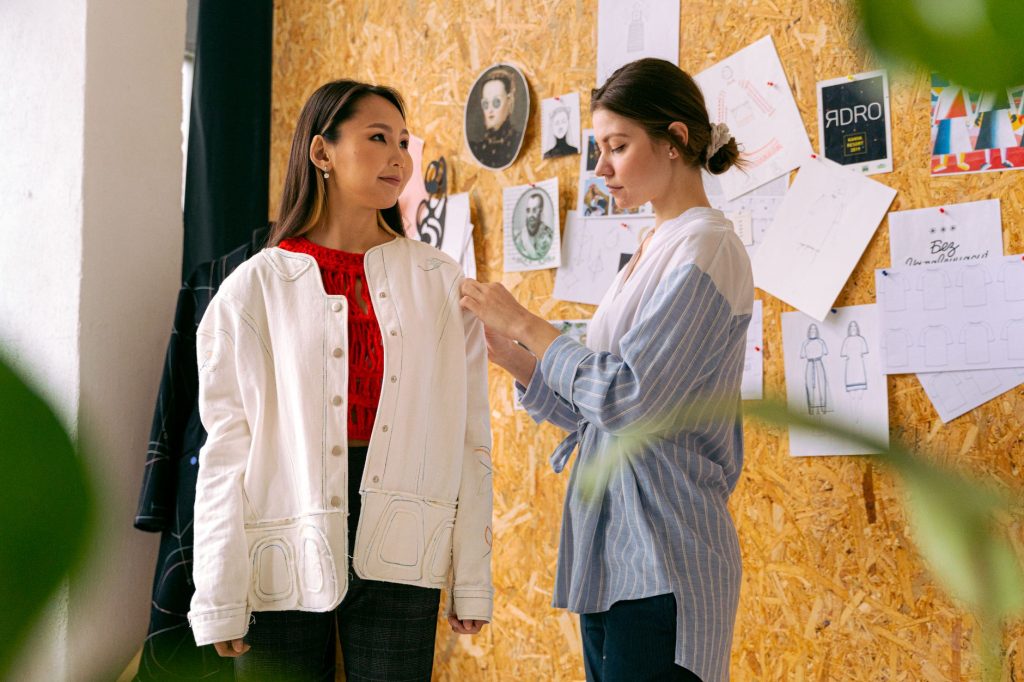
- Sample creation: Designers work with pattern makers and seamstresses to create initial samples of their designs, often making adjustments along the way.
- Finalization and production oversight: After refining the samples, designers oversee the mass production to ensure the quality and aesthetic align with their vision.
Skills and Qualifications
To succeed in fashion design, certain skills and qualifications are essential:
- Creativity: A strong sense of creativity allows designers to innovate and develop unique concepts.
- Technical skills: Proficiency in sewing, pattern making, and garment construction is crucial for turning designs into tangible products.
- Computer skills: Familiarity with design software such as Adobe Illustrator and Photoshop is often required for modern fashion design.
- Understanding of textiles: Knowledge of fabrics, how they behave, and how to care for them is pivotal in design.
- Communication skills: Designers must articulate their vision clearly to manufacturers, retailers, and other stakeholders.
- Market awareness: An understanding of fashion trends, consumer behavior, and market demands is vital for creating relevant designs.
Types of Fashion Designers
Fashion designers can specialize in various subcategories, each focusing on different aspects of the fashion industry:
Apparel Designer
Apparel designers create garments for men, women, and children, working across various sectors, including casual wear, formal wear, and activewear.
Accessory Designer
Accessory designers focus on items like handbags, jewelry, belts, and scarves. They enhance garments and complete overall looks through accent pieces.
Shoe Designer
Specializing in footwear, shoe designers must consider comfort, functionality, and style, ensuring their creations appeal to various consumers.
Textile Designer
Textile designers are responsible for creating patterns and prints for fabrics, often collaborating with apparel designers to bring these textiles to life in finished products.
The Role of Fashion Designers in Industry Trends
Fashion designers significantly influence industry trends. They study cultural shifts, societal attitudes, and technological advancements to predict what consumers will want. By conceptualizing designs that reflect these changes, they either set or follow trends. Understanding how to balance innovation with consumer preference is key to a designer’s success.
Trend Forecasting
Many designers rely on trend forecasting services to stay ahead. These services analyze consumer behavior, economic indicators, and social media patterns to predict emerging styles. Designers then incorporate insights from these forecasts into their collections.
Collaboration in Fashion Design
Successful fashion designers often collaborate with various professionals within the fashion industry:
- Pattern Makers: They work closely with designers to translate sketches into patterns, ensuring accurate garment construction.
- Manufacturers: Designers oversee the production process, ensuring consistent quality and adherence to design specifications.
- Marketing Teams: Collaboration with marketers helps in strategizing collection launches and effectively reaching target audiences.
- Retailers: Designers may work with retailers to ensure their designs align with market demands and consumer preferences.
Fashion Designers and Sustainability
In recent years, sustainability has become a focal point within the fashion industry. Designers are increasingly adopting eco-friendly practices in their creative process. This includes:
- Using Sustainable Materials: Designers can opt for organic fabrics, recycled materials, or non-toxic dyes to reduce their ecological footprint.
- Reducing Waste: Creating designs that minimize fabric waste and implementing zero-waste pattern techniques are effective strategies.
- Collaborating with Ethical Manufacturers: Partnering with brands that prioritize fair labor practices and sustainability can enhance a designer’s ethical stance.
Tips for Aspiring Fashion Designers
For those considering a career in fashion design, keep the following tips in mind:
- Build a Portfolio: Compile a professional portfolio showcasing your best work to demonstrate your skills and style to potential employers.
- Network: Attend industry events, workshops, and seminars to connect with professionals in the fashion field.
- Gain Experience: Seek internships or entry-level positions to gain real-world experience and understand the industry’s workings.
- Stay Educated: Continuously seek opportunities for learning and growth within fashion through courses, reading, or workshops.
Understanding the Fashion Cycle
Fashion designers also play a significant role in the fashion cycle, a series of phases that determine when and how trends emerge:
- Introduction: Designers introduce new collections, often during Fashion Weeks, showcasing their latest creations.
- Growth: If trends resonate with consumers, they gain popularity and wider acceptance.
- Maturity: Trends reach their peak, and consumer demand stabilizes.
- Decline: Interest wanes as new trends emerge; designers pivot to create fresh concepts.
Fashion Designers and Consumer Influence
Fashion designers greatly influence how consumers perceive style and identity. Their designs can evoke emotional reactions, allowing consumers to express their personalities through clothing choices. Understanding consumer behavior helps designers create garments that resonate, enhancing their market success.
The Role of Social Media
Social media platforms have transformed how fashion designers connect with consumers. Designers use platforms like Instagram, TikTok, and Pinterest to showcase their work instantly. By engaging with followers, designers can quickly gauge reactions, test new ideas, and adapt accordingly.
Conclusion: The Impact of Fashion Designers
Fashion designers are vital players in the fashion industry, coordinating the intricate processes that bring creative ideas to market. Their ability to blend artistry with commercial viability influences what we wear and how we express ourselves. Understanding their roles enhances our appreciation for the garments we choose and the thought processes behind them.
To explore more about breaking into the fashion industry, check out our articles on how to become a fashion designer and how much do fashion designers make.