Fads in fashion can ignite excitement, creativity, and a sense of community, often bringing people together in shared experiences. These trends, while sometimes fleeting, shape our wardrobes and reflect our cultural zeitgeist, making understanding them essential for anyone interested in personal style.
In this article, we will explore what constitutes a fad in fashion, how to recognize them, the cycles they go through, and practical advice on how to thoughtfully integrate them into your personal style or make informed decisions while navigating your wardrobe.
What Is A Fad?
A fad is a trend that becomes popular for a short period before quickly fading away. In fashion, fads can manifest as specific styles, colors, accessories, or even beauty trends. They are often characterized by their novelty, excitement, and sometimes, their outrageousness.
Understanding fads is important because they can impact what is available in stores, the way we view style, and how we express ourselves through clothing. However, unlike enduring trends, fads often cater to current cultural moments, and thus, they may not stand the test of time.
Characteristics of Fashion Fads
Identifying fashion fads involves observing specific characteristics that set them apart from timeless trends. Here are some key traits to consider:
- Short-Lived Popularity: Fads often appear suddenly and gain rapid popularity, only to disappear just as quickly.
- Novelty or Outrageousness: They frequently feature unique elements that grab attention, sometimes bordering on the impractical.
- Cultural Reflection: Fads often reflect societal influences such as pop culture, social movements, or celebrity endorsements.
- Wide Appeal: Many fads attract a diverse audience, although they might cater to temporary interests or specific communities.
Examples of Popular Fashion Fads
Fads can arise in various categories, including clothing, accessories, and hairstyles. Below are a few examples that illustrate how diverse and fleeting these trends can be:
- Platform Shoes: Dominating the 1970s and making sporadic comebacks, platform shoes offer height and boldness, often receding after their moment in the spotlight.
- Belly Chains: These decorative accessories gained traction in the early 2000s, becoming synonymous with festival and beachwear, only to be less visible in recent years.
- Joggers as Fashion: Initially intended for sports, joggers became a stylish everyday item for millennials in the 2010s, highlighting the blurred line between comfort and style.
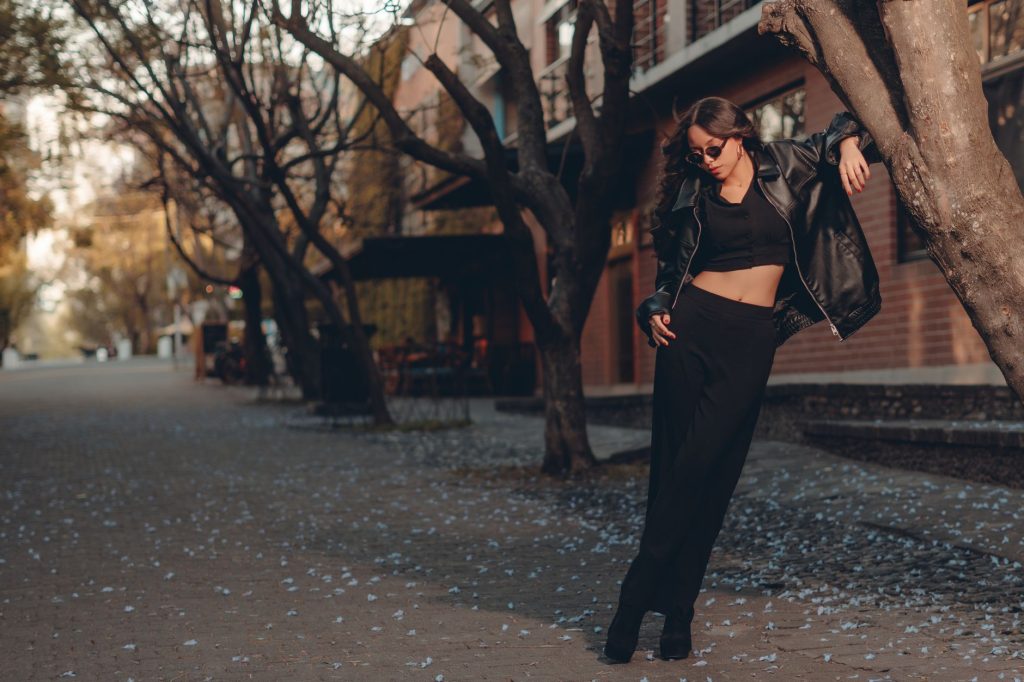
- Wide-Leg Trousers: Making a resurgence in recent years, these trousers can evoke nostalgia while offering wearers a fresh way to play with proportions.
The Lifecycle of a Fad
Every fad goes through a lifecycle comprised of distinct phases. Understanding this process helps fashion enthusiasts anticipate trends and navigate their wardrobes with intention.
1. Introduction Phase
A new fad often emerges unexpectedly, sparked by influencers, celebrities, or viral moments. During this introduction phase, the trend generates excitement and curiosity.
2. Growth Phase
The fad gains momentum, with increased visibility through mainstream media, social networks, and celebrity endorsements. Consumers become eager to adopt the trend, often leading to widespread popularity.
3. Peak Phase
The fad reaches its height of popularity, often becoming ubiquitous. Everyone is wearing it, and it becomes the topic of conversation within fashion circles.
4. Decline Phase
Interest wanes as consumers move on to newer trends. The market may become oversaturated with the fad, causing a lack of originality.
5. Obsolescence Phase
Finally, the fad fades into obscurity, often leaving a trail of mixed sentiments among those who embraced it. However, some fads may resurface or evolve into lasting trends.
How to Integrate Fads Into Your Wardrobe
It is possible to enjoy fads while maintaining a personal style that feels authentic and timeless. Here are some strategies to incorporate fads effectively:
1. Mix and Match
Instead of dedicating your entire outfit to a current fad, consider mixing it with classic wardrobe staples. This helps balance novelty with lasting quality.
- Example: Pairing a bold, trendy graphic tee with tailored trousers and classic sneakers creates an effortless yet fashionable look.
2. Choose Accessories Wisely
Accessorizing with fads allows you to engage with trends without committing to full outfits. Often, accessories are easier to integrate or switch out.
- Example: Incorporate statement earrings or a trendy handbag to add a pop of the trend without overhauling your style.
3. Consider Your Lifestyle
When adopting a fad, evaluate how it fits into your daily routine. Some trends might not align with your lifestyle or comfort needs.
- Example: If comfort is key, opt for a casual interpretation of a trend, like wearing oversized blazers with relaxed joggers.
4. Quality Over Quantity
Investing in higher-quality pieces, even from a fad, ensures longevity, fostering a more sustainable wardrobe.
- Example: Choose well-constructed items that serve as versatile additions while still participating in a fleeting trend.
5. Embrace Vintage and Secondhand
Exploring vintage shops or secondhand stores allows you to find unique fads at a lower price point, adding character to your wardrobe without falling into fast fashion traps.
- Example: Sourcing vintage items that embody popular fads can also contribute to a more sustainable approach to fashion.
Common Mistakes to Avoid When Following Fads
While it can be exciting to jump on the latest trend, certain mistakes can hinder your styling experience. Here are some common pitfalls to watch out for:
- Overcommitting: Avoid investing heavily in a fad that may not align with your personal style. Stick with what resonates with you.
- Ignoring Fit: Fads can emphasize specific silhouettes, but fit remains crucial to looking polished. Always prioritize clothing that flatters your body type.
- Forgetting Versatility: Select pieces that can transition into different outfits or contexts. This enhances the functionality of your wardrobe.
- Falling for One-Dimensional Trends: Rather than solely wearing a trend as it is portrayed, find creative ways to personalize it that reflect your unique style.
Fads Versus Trends: Understanding the Difference
While fads and trends may seem synonymous, they represent distinct concepts in fashion. Understanding their difference can help you navigate your style choices effectively.
Fads
Fads are brief and may generate excitement or novelty but lack longevity. They often disappear after a short time, often leaving behind remnants of their once-popular status.
Trends
Trends are broader movements in fashion that can last longer, often evolving and influencing future styles. They may incorporate aspects of fads but hold more conceptual value, as they typically reflect cultural shifts, seasons, or enduring styles.
Embracing Sustainable Fads
As the fashion industry shifts towards more sustainable practices, embracing fads that prioritize sustainability is more important than ever. Here are some ideas on how to align fads with eco-conscious choices:
- Support Sustainable Brands: Seek out brands that emphasize sustainable practices, ethical sourcing, and eco-friendly materials when engaging with fads.
- Thrifting and Secondhand Shopping: Pursuing pre-loved pieces allows you to enjoy the whimsy of fads while reducing environmental impact.
- Invest in Timeless Basics: Even when adopting fad pieces, ensure you have a foundation of timeless essentials that can be paired and reused.
The Role of Social Media in Fashion Fads
Social media platforms play a significant role in shaping and disseminating fads across various demographics. Influencers and content creators often drive trends through visual storytelling and curated aesthetics.
The instantaneous nature of social media allows trends to emerge and evolve rapidly, influencing what consumers seek in their wardrobes. This can create a cycle where fads quickly gain traction, but equally, they can fall out of favor just as swiftly.
Navigating fashion fads without being overly swayed by social media’s influence encourages individuals to develop their unique style and make intentional choices.
Conclusion
Acknowledging the presence of fads in fashion allows for a deeper understanding of personal style. By integrating fads carefully, avoiding common mistakes, and considering sustainability, you can engage with fashion trends meaningfully. Embrace the excitement that comes with fleeting trends while ensuring they align with your style and values.
Next, consider exploring related fashion guides and styling articles to enhance your wardrobe knowledge, such as what is Y2K fashion or the impact of fast fashion.