
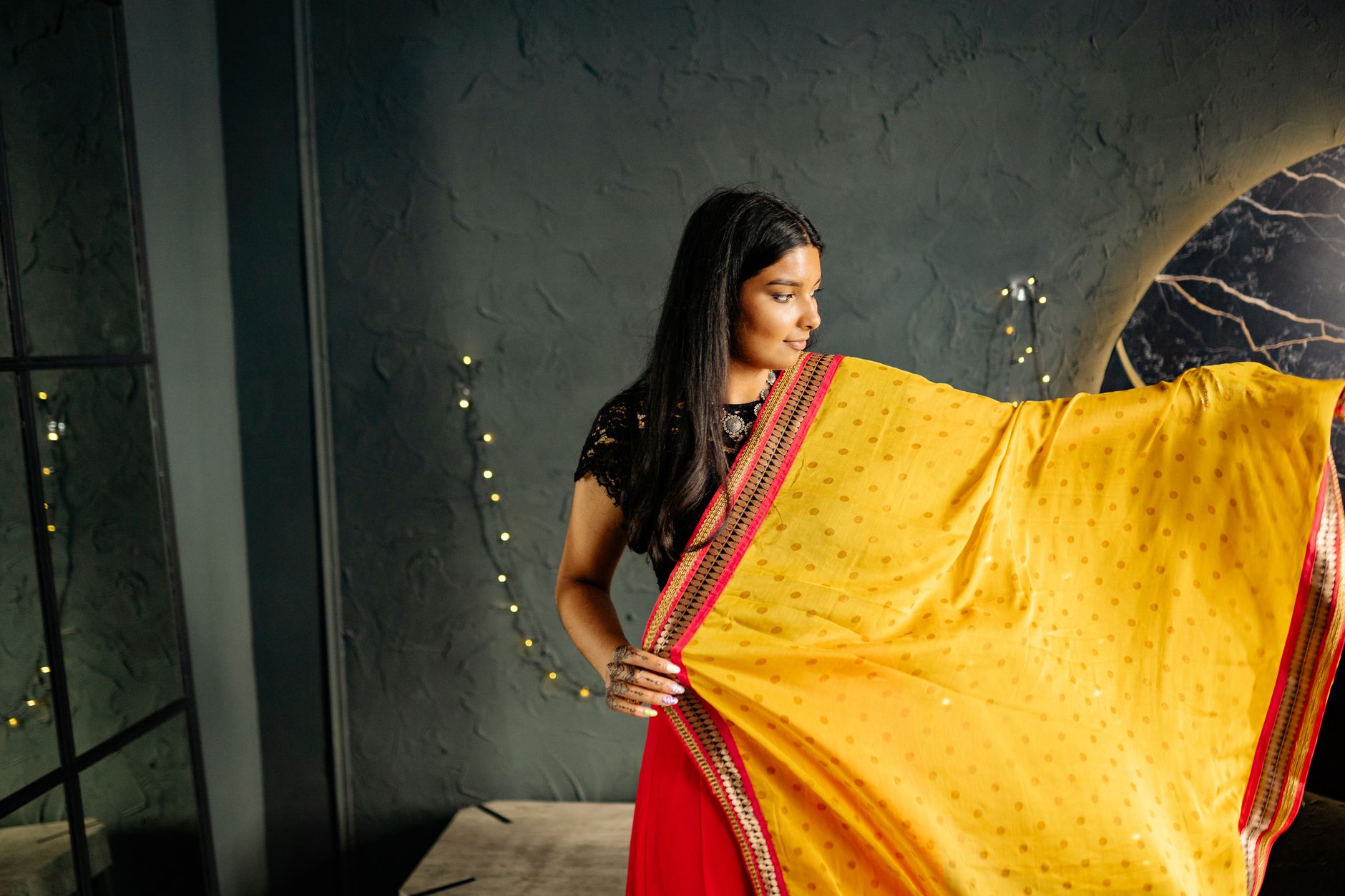
The dupatta is a versatile accessory that has woven its way into the fabric of South Asian fashion for centuries. Traditionally worn as a long scarf or shawl, the dupatta enhances the beauty of various outfits while also providing a sense of modesty and elegance.
In this comprehensive guide, we will explore the meaning, history, types, and style tips for the dupatta, equipping you with all the knowledge you need to incorporate this stunning garment into your wardrobe.
What Is A Dupatta?
The dupatta is a long piece of cloth, usually measuring around two to three meters in length, that is paired with traditional South Asian attire such as salwar kameez and lehengas. It serves both functional and aesthetic purposes, providing style while also allowing for comfortable draping.
Meaning and Cultural Significance
The term ‘dupatta’ is derived from the Hindi word “dupat,” which means to wrap or cover. Historically, the dupatta has played a significant role in South Asian culture, symbolizing modesty and femininity. It can be seen as a cultural marker, showcasing regional styles, colors, and textiles.
A Brief History of the Dupatta
The dupatta has ancient roots, having been an integral part of attire in the Indian subcontinent for thousands of years. The origins of this garment date back to the times of the Indus Valley Civilization, where it was used as a cloak or wrap. Over the centuries, various cultures, including Mughal and British, influenced its design and usage.
In Mughal society, for instance, the dupatta became a symbol of nobility and rich heritage, often adorned with intricate embroidery and embellishments. Today, it transcends cultural barriers and is worn by people of various backgrounds, making it a beloved accessory across the globe.
Types of Dupattas
Dupattas come in a myriad of styles, fabrics, and designs, each serving a different aesthetic need or occasion. Here is a look at some popular types of dupattas:
- Chiffon Dupatta: Light and airy, chiffon dupattas are ideal for summertime or special occasions, offering a delicate drape.
- Silk Dupatta: Luxurious and rich, silk dupattas often feature heavy embellishments and are suited for weddings and festive occasions.
- Net Dupatta: Semi-transparent and often embellished, net dupattas make a bold statement and can elevate a simple outfit.
- Cotton Dupatta: Comfortable and breathable, cotton dupattas are versatile for everyday wear and casual outings.
- Embroidered Dupatta: These feature intricate designs and patterns that add a touch of elegance to any outfit.
- Printed Dupatta: Available in a variety of designs, printed dupattas can be paired with solid-colored outfits to add vibrancy.
How to Style a Dupatta
The beauty of a dupatta lies in its styling versatility. Whether you’re dressing for a casual day out or an elaborate wedding, here are some practical tips on how to wear a dupatta:
1. Casual Wear
A cotton or printed dupatta can complement a simple kurta and jeans outfit effortlessly. Drape it over one shoulder for a relaxed look or knot it at the waist for a more structured appearance. Pair this ensemble with comfortable juttis or sandals to complete the casual vibe.
2. Formal Occasions
For formal occasions, consider wearing a silk or chiffon dupatta with a salwar kameez. Drape it elegantly over both shoulders, allowing it to flow down your sides. This adds an element of grace and sophistication. Opt for coordinated jewelry and heels to enhance the formality.
3. Layering Techniques
Layering can elevate any outfit. Try wearing a dupatta over a dress or a long shirt. For added drama, layer a printed or embroidered dupatta over a solid color outfit. This not only adds texture but also creates a visually interesting silhouette.
4. Seasonal Styling
During the summer, lightweight fabrics like chiffon and cotton keep you cool. During the winter, choose heavier fabrics like silk or wool to add warmth to your ensemble. You can even opt for a shawl-style dupatta for added coverage against the chill.
5. Occasion-Specific Wardrobe
When dressing for a wedding, a dupatta adorned with embellishments can serve as a striking accessory. Drape it elegantly over your head or style it as a veil. For a traditional look, pair it with a lehenga or anarkali suit.
Color Coordination with Dupattas
Choosing the right color dupatta can make or break your outfit. Here are some guidelines:
- Complementary Colors: Use color theory to find complementary shades. For example, a bright yellow outfit can be paired with a deep purple dupatta to create a striking contrast.
- Monochromatic Looks: For a sophisticated style, go for shades of the same color family. A pastel pink lehenga with a slightly darker pink dupatta creates a beautiful layered effect.
- Printed and Solid Combinations: Pair a printed dupatta with a solid outfit or vice versa to create visual interest and highlight the beauty of each piece.
Wearing Dupattas: Tips for Fit and Proportion
Getting the fit right is crucial when it comes to styling a dupatta. Here are some tips for ensuring that your outfit remains balanced:
- Length: Make sure that the length of your dupatta complements your outfit. Longer dupattas work well with longer clothes, while shorter ones can accentuate a more casual look.
- Drape: Experiment with different draping styles to find what best suits your body type. The same dupatta can create different looks depending on how you style it.
- Volume: If your outfit has a lot of embellishment or volume, opt for a lighter dupatta to avoid overwhelming the entire look. Conversely, a heavier dupatta can balance out a minimal outfit.
Accessorizing with a Dupatta
Accessorizing can enhance your overall look. Here are some accessory tips that work well with duppatas:
- Earrings: Opt for statement earrings to draw attention to your face, especially when wearing a dupatta that frames your features.
- Footwear: Select footwear that suits the occasion. Juttis or embellished sandals work beautifully with traditional attire.
- Belts: To define your waist, consider wearing a stylish belt over your outfit and the dupatta.
Fabric Choices for Dupattas
The choice of fabric for your dupatta can significantly affect the overall look. Here’s a breakdown of popular fabrics used for dupattas along with their characteristics:
| Fabric | Characteristics | Best For |
|---|---|---|
| Chiffon | Light, flowing, and transparent | Warm weather and casual occasions |
| Silk | Luxurious, smooth, and rich texture | Weddings and formal wear |
| Net | Sheer, often embellished, adds drama | Party wear and festive occasions |
| Cotton | Soft, breathable, and comfortable | Everyday wear and summer outings |
Care and Maintenance of Dupattas
Proper care can extend the life of your dupatta. Here are some care tips based on fabric:
- Chiffon: Hand wash with cold water and mild detergent. Avoid wringing to prevent damage.
- Silk: Dry clean is best to maintain sheen and texture. If washing at home, use lukewarm water and a soft detergent.
- Net: Spot clean with a damp cloth if possible, as washing can alter the texture or design.
- Cotton: Machine wash on a gentle cycle. Cotton dupattas usually wash well and can handle light detergent.
Shopping Tips for Dupattas
When looking to add dupattas to your collection, consider the following:
- Research: Explore various online and offline stores. Compare styles, fabrics, and prices to find the best deals.
- Fabric Quality: Always check the fabric quality before making a purchase. Look for imperfections, especially in silk or embroidered dupattas.
- Length and Width: Ensure the dimensions of the dupatta suit your intended styling needs.
Occasions for Wearing a Dupatta
The dupatta can be worn for various occasions, transcending cultural boundaries. Here are some scenarios where a dupatta can enhance your outfit:
- Weddings: A heavily embroidered or embellished dupatta can serve as a striking accent to bridal attire or guest dresses.
- Festivals: For festive celebrations, wear colorful and intricately designed dupattas to embody the spirit of the occasion.
- Everyday Wear: A simple cotton or printed dupatta can elevate casual outfits like jeans and kurtas.
Dupatta in Contemporary Fashion
Today, the dupatta is not just confined to traditional attire. Modern fashion designers have creatively incorporated dupattas into contemporary clothing styles. You may see dupattas styled with:
- Western outfits, such as dresses and skirts, adding a unique flair.
- Layered styles over contemporary garments, creating a fusion of traditional and modern.
- As headscarves or belts, showcasing their adaptability.
Gender-Inclusive Styles with Dupattas
The dupatta can be worn by individuals regardless of gender. Its versatility means it can easily complement both masculine and feminine styles:
- For menswear, a dupatta can be draped over traditional outfits like kurtas or sherwanis, particularly at festive or formal events.
- Women and non-binary people can explore diverse draping styles, making the dupatta suitable for higher-fashion statements.
Putting Together Outfit Ideas with a Dupatta
Incorporating a dupatta into your wardrobe can enhance versatility. Here are some outfit ideas to inspire you:
- Day Out: A light pink cotton kurta paired with a contrasting floral printed dupatta and white palazzos, along with strappy flats.
- Office Wear: A navy blue solid salwar kameez, complemented by a matching silk dupatta, paired with low-heeled pumps for professionalism.
- Party Look: A shimmering gold lehenga with an embroidered net dupatta, accessorized with statement chandbalis and high-heeled sandals.
The dupatta serves as an exceptional accessory, capable of elevating any outfit while allowing for personal expression. With its rich history, myriad styles, and endless styling possibilities, it’s no wonder that the dupatta has secured its place as a wardrobe staple in modern fashion.
For readers looking to explore more traditional attire, check out our guides on saris and kimonos. Consider how these pieces might complement your fashion narrative and enhance your ensemble choices.