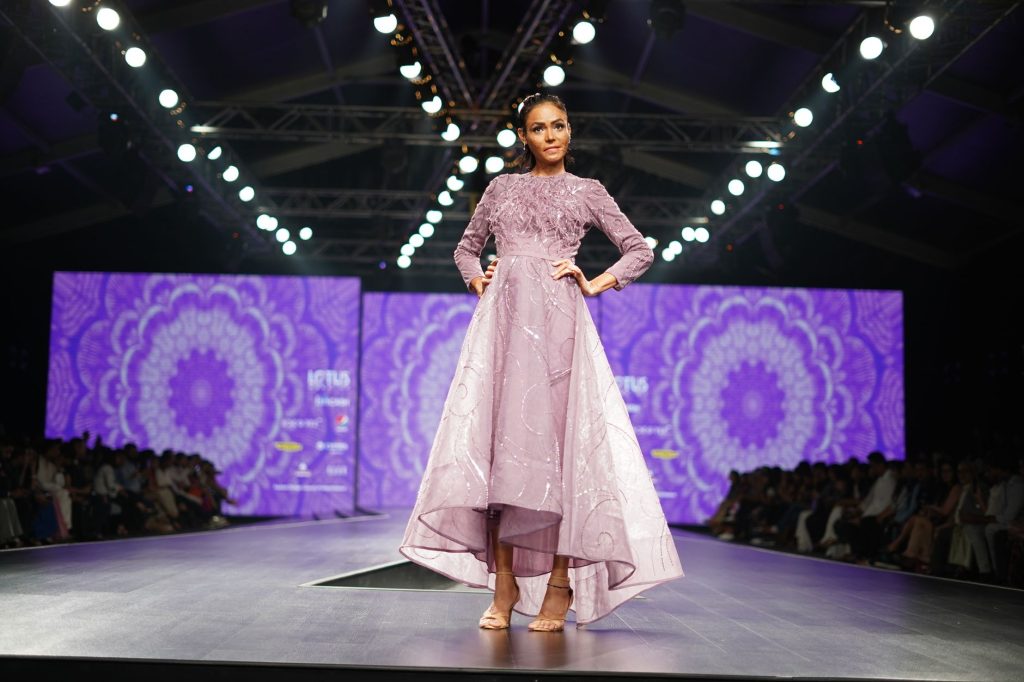
A bustle is a fashionable design element that adds volume and structure to the back of women’s garments, particularly dresses and skirts. Historically, it gained prominence in the 19th century, evolving through various styles and being used for both functional and aesthetic purposes. Today, bustles continue to be a choice in modern bridal and formal wear, giving a dramatic flair to outfits.
The bustle serves both practical and stylistic roles, enhancing silhouette by lifting the fabric at the back. This article delves deep into what a bustle is, how it works, styling tips, variations for different occasions, and the contemporary relevance of this design feature.
What Is A Bustle?
A bustle is traditionally a feature of women’s fashion that provides volume at the back of a dress or skirt. It usually involves gathering or draping excess fabric to create a structured look. This enhances the overall silhouette and can vary in style, from subtle to dramatic.
Often associated with the fuller-skirted fashions of the Victorian and Edwardian eras, bustles have modern iterations in evening gowns and weddings. They can come as a separate attachment, built-in layers, or sewn directly into the garment.
History of the Bustle
The concept of the bustle can be traced back to the 17th century, but it gained widespread popularity in the mid-to-late 1800s. During this period, bustles were used to exaggerate the back of the dress, creating an hourglass silhouette that was deemed fashionable.
Throughout the years, the bustle has seen various interpretations:
- Victorian Era: Bustles were large and structural, often made from materials like crinoline and horsehair.
- Edwardian Era: A shift towards a softer bustle that complemented the S-bend silhouette became prevalent.
- Modern Fashion: Today’s bustles are often more tailored and can be found in bridal collections, where they’re used to create elegant silhouettes while allowing for ease of movement.
Understanding Different Types of Bustles
Modern bustles come in various styles, each altering the garment’s silhouette differently. Here are some commonly seen types of bustles:
Types of Bustles
- American Bustle: This style features gathers at the back and is secured with loops or ties, lifting the train for a more manageable look.
- French Bustle: Characterized by its elegant drapes that loop over each other, the French bustle gives a romantic look and works best with flowing fabrics.
- Over Bustle: Fabric is pulled over the back to create a series of gathered fabric pleats that layers beautifully.
- Under Bustle: Similar to the American bustle, but the loops and ties are hidden beneath the fabric, giving a more streamlined appearance.
Choosing the Right Bustle for Your Dress
Selecting the appropriate bustle for your dress can significantly enhance your overall look. Consider the following factors when making a choice:
- Dress Style: The intricacy of the bustle should correspond with the design of the dress. A detailed dress may require a simpler bustle to not overwhelm its features.
- Fabric Type: Heavier fabrics may hold a bustle better, while lighter materials might require additional support for shaping.
- Personal Comfort: Choose a bustle style that not only looks good but also feels comfortable during wear, particularly for extended periods.
Styling a Bustle in Personal Wardrobes
Incorporating a bustle into your wardrobe can take careful consideration. Here are styling tips to help you maximize this design element:
- Play with Proportions: Balance volume with fitted elements. If your dress has a full bustle, consider wearing a more fitted top or bodice.
- Accessorize Wisely: Statement accessories can elevate a bustled look. Consider using a bold necklace or earrings to draw attention upwards.
- Layering Options: In cooler months, a sleek fitted jacket can complement a bustle while keeping you warm.
Seasonal Bustle Fashion Considerations
The way a bustle is styled can also depend on the seasons. Below are ways to adapt bustled styles throughout the year.
Spring and Summer
- Opt for lighter fabrics such as chiffon or tulle that flutter gracefully.
- Choose bright, floral patterns that play well with the softer lines of a bustled dress.
Fall and Winter
- Consider warmer materials like satin or velvet for a structured, sophisticated appearance.
- Layer with shawls and long sleeves that accentuate the dress while maintaining warmth.
Practical Outfit Formulas Featuring Bustles
Create stunning outfits around a bustled dress with these practical formulas:
Casual Chic
- Bustled dress in a soft material.
- An oversized denim jacket for an edgy touch.
- Chunky ankle boots to ground the look.
Formal Elegance
- Bustled gown in a rich fabric like silk.
- Va-va-voom heels to add height.
- Delicate clutch and earrings for a polished finish.
Bridal and Special Occasion
- Choose a bridal gown with an intricate bustle.
- Accessorize with a veil that complements the bustle’s design.
- Pair with classic pumps to elongate the leg.
Common Mistakes to Avoid When Styling Bustles
To ensure your bustle creates the intended impression, avoid these common pitfalls:
- Over-Accessorizing: Keep jewelry minimal to ensure the bustle remains the focal point.
- Neglecting Fit: Always ensure your dress fits properly. A poorly fitted bustle can appear awkward.
- Ignoring Comfort: If you feel constrained, it may be best to opt for a different bustle style.
Caring for Bustled Garments
Maintaining the integrity of bussed garments is essential for prolonging their life and keeping them looking as good as new. Follow these care tips:
- Check Label Instructions: Always follow specific care recommendations on the garment tag.
- Storage: Hang dresses in a breathable garment bag to avoid crushing the bustle.
- Cleaning: Opt for professional dry cleaning for delicate fabrics, especially after events.
Buying Considerations for Bustled Garments
When shopping for dresses featuring bustles, keep these tips in mind:
- Try Before You Buy: Always try on the dress to see how the bustle sits and if it’s comfortable.
- Test Movement: Move around in the dress to ensure the bustle doesn’t restrict you.
- Observe Craftsmanship: Inspect the bustle’s stitching and support to ensure it is durable.
Sustainable Considerations in Bustle Fashion
As fast fashion faces scrutiny, considering sustainable options is vital. When shopping for bustle dresses, look for:
- Ethically Sourced Materials: Check for certifications ensuring sustainable fabric production.
- Timeless Designs: Select pieces with classic silhouettes that won’t fall out of style quickly.
- Second-Hand Options: Consider vintage or thrifted dresses with bustles to reduce your environmental impact.
Final Touches and Accessories for Bustle Looks
Elevate any bustled outfit with the right accessories. Here are some suggestions:
- Belts: A well-placed belt can accentuate the waist, complementing the shape created by a bustle.
- Hair Accessories: Floral crowns or elegant pins can add charm to an overall look.
- Footwear: Strappy heels or classic pumps enhance the ethereal quality of a bustled gown.
The bustle is a dynamic design element that remains a timeless part of fashion heritage. Whether attending a wedding, formal event, or cocktail party, understanding how to incorporate a bustle into your wardrobe empowers you to create stunning, voluminous looks. By considering the styles available, choosing pieces that flatter your figure, and knowing how to care for and accessorize them, you can fully embrace the beauty and versatility a bustle offers.
To delve deeper into the world of fashion, explore our articles on cocktail dress styles and the artistry of bustles.