
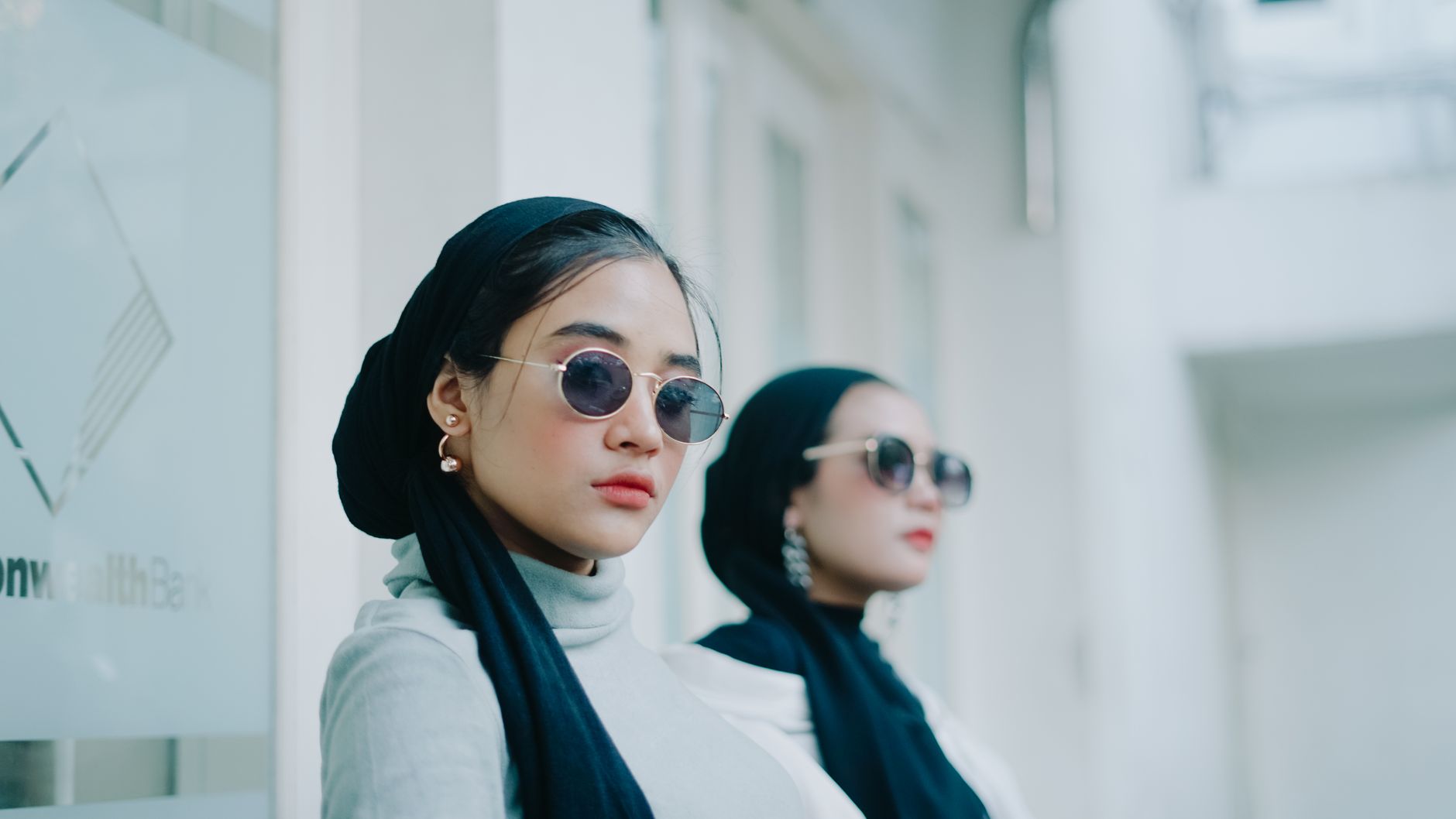
Understanding what Muslim women wear on their heads is essential for appreciating the diverse expressions of cultural identity and personal style. Head coverings are often chosen for reasons related to faith, tradition, and personal identity, varying widely across cultures and preferences.
In this guide, we will explore the various head coverings Muslim women wear, how to style them, and practical tips for incorporating these pieces into a modern wardrobe while maintaining a balance of modesty and fashion.
What Do Muslim Women Wear On Their Head?
Muslim women traditionally wear diverse types of head coverings, including hijabs, turbans, and caps, among others. Each type serves different purposes, from spiritual significance to fashion statements. Understanding these pieces requires a look at their styles, materials, and how they fit into broader wardrobe choices.
Types of Head Coverings
Here we break down several popular head coverings worn by Muslim women, each with its own unique style and cultural background.
Hijab
The hijab is one of the most recognized forms of head covering. It refers to a variety of styles, including:
- Shayla: A long scarf wrapped around to cover the hair and neck, usually secured with pins.
- Chador: A full-body cloak that covers the hair and body while leaving the face visible, often seen in Iran.
- Khimar: This cape-like garment drapes over the shoulders and covers the chest, allowing for more coverage while providing ease of movement.
Choosing a hijab often depends on personal preference, occasion, and comfort. Colors and fabrics can vary widely, making it easy to coordinate with various outfits.
Turban
Turban-styled headwraps are versatile and stylish. They wrap around the hair, providing complete coverage while allowing for creative expression. The turban can be styled in numerous ways, making it suitable for both casual and formal events.
Dupatta
The dupatta is a long scarf typically worn over the shoulders or head, especially in South Asian cultures. It adds a layer of color or embellishment to an outfit and can be styled in various ways, sometimes draped over one shoulder or wrapped around the head.
Scarf or Shawl
Everyday scarves or shawls can be used not only for warmth but also for modesty. Available in multiple colors and patterns, they can be wrapped around the head in a way that complements outfits without being overly formal.
Cap
Some Muslim women opt for caps or beanies, particularly for comfort and practicality. These can be worn underneath other head coverings, like a hijab, or on their own in more casual settings.
Fit and Fabric Considerations
Choosing the right fit and fabric for head coverings is crucial for comfort and style. Here are some tips to consider:
Fabric Types
- Cotton: Breathable and easy to care for, it’s great for daily wear.
- Satin: Adds elegance to a look; ideal for formal occasions but may require more care.
- Jersey: Soft and stretchy, suitable for casual outings.
- Chiffon: Lightweight and flowy; pairs well with structured outfits but may require layering for proper coverage.
Fit Considerations
The fit of a head covering affects how comfortable it is and how well it stays in place. Here are some key points to keep in mind:
- Ensure that the head covering fits securely but not too tightly, preventing headaches or discomfort.
- Layering with an undercap can help keep the scarf in place and provide additional coverage.
- Experiment with different styles and lengths to see what feels best for your style and lifestyle.
Outfit Ideas for Different Occasions
Dressing up with head coverings can be beautifully integrated into various outfits. Here are suggestions for styling headwear for different settings.
Casual Wear
For a laid-back look, consider pairing a hijab or turban with:
- A loose-fitting t-shirt or oversized sweater and high-waisted jeans for comfort.
- A maxi skirt and a graphic tee for a stylish ensemble.
- Layering with denim jackets or light cardigans can add dimension.
Workwear
For a polished office look, you might try:
- A tailored blazer over a crisp blouse, paired with slacks, and a coordinating hijab or scarf.
- A shift dress with a matching or contrasting shawl for a sophisticated touch.
- Accessories like minimalist jewelry and structured handbags can elevate the outfit.
Formal Events
For weddings or formal gatherings, consider:
- Elegant, embellished hijabs paired with a gown or floor-length dress.
- A dupatta draped over the shoulders, adding a traditional touch to contemporary outfits.
- Simplicity in accessory choices can enhance the formal look without overwhelming it.
Seasonal Dressing
Adapting outfits for different seasons while keeping head coverings in mind is essential. Here’s how:
Spring/Summer
- Choose lighter fabrics such as cotton and chiffon for breathability.
- Use lighter colors and floral patterns to embrace the season.
- Opt for short-sleeved tops paired with long skirts or flowy pants for comfort.
Fall/Winter
- Layer thicker materials like jersey or wool under head coverings for warmth.
- Use richer colors and textures, such as burgundy or deep blues, for a seasonal touch.
- Incorporate layers, such as long sleeves and cardigans, keeping the head covered but stylish.
Color Coordination and Layering
When selecting head coverings, color coordination and layering can enhance your outfit significantly. Here are some tips:
Color Coordination
Choose colors that complement your outfit rather than clash. Neutral shades such as black, white, or beige can act as a base. Here are some strategies for pairing colors:
- Mixing complementary colors can create a cohesive look.
- Incorporate patterns one element at a time to avoid visual overcrowding.
- Consider seasonal palettes, opting for lighter or brighter colors in spring and summer and deeper hues in fall and winter.
Layering Techniques
Layering can add interest while maintaining modesty:
- Pair lighter-weight head coverings with heavier outer layers for contrast.
- Experiment with the length and volume of clothing to ensure balance with the head covering.
- Don’t shy away from textures; layering different fabrics can add depth to your look.
Accessorizing Head Coverings
Accessories can enhance your outfit without overshadowing your head covering. Here are some options:
- Brooches or Pins: These can secure the headscarf while adding a decorative touch.
- Earrings: From long statement pieces to simple studs, they can elevate your look.
- Sunglasses: A chic pair can complete a summer look while offering sun protection.
Garment Care for Head Coverings
Maintaining the quality of your head coverings is essential for longevity. Here are some care tips:
General Care Instructions
- Always check the care label before washing. Different fabrics require different techniques.
- Hand wash delicate fabrics in cold water with a gentle detergent to maintain their structure.
- For machine washable items, use a delicate cycle and a mesh laundry bag to protect them.
- Air dry head coverings; avoid placing them in direct sunlight to prevent fading.
Storing Head Coverings
- Store scarves and hijabs flat in a drawer or hanging to prevent wrinkles.
- Use organizers to keep different colors and styles visible and accessible.
- Avoid folding to minimize creases, which can be hard to remove.
The Historical Context of Muslim Head Coverings
Head coverings have roots that go back centuries, shaped by cultural, geographical, and social influences.
Throughout history, the hijab has been associated with modesty, dignity, and respect in many Muslim cultures. Over the years, the styles and significance have evolved, influenced by globalization and fashion trends.
In modern contexts, many Muslim women adapt traditional styles to suit their lifestyles, blending modesty with contemporary fashion. This adaptability emphasizes personal choice, where one can express individuality while showing faith.
Shopping for Head Coverings
When it comes to purchasing head coverings, several factors come into play to ensure a stylish and thoughtful choice:
Where to Shop
- Specialty boutiques often carry well-made, culturally inspired head coverings.
- Online retailers provide a wide selection, enabling you to compare different styles and materials.
- Local markets can present unique, handcrafted pieces that support artisans and individual craftspeople.
What to Look For
When shopping, pay attention to the following:
- Look for quality materials with good drape and softness.
- Examine stitching and finish to ensure durability.
- Check the versatility of the piece — can it be styled differently or paired with multiple outfits?
Conclusion
Muslim women’s head coverings are much more than mere fabric; they represent identity, culture, and style. By understanding the different types and ways to style these garments, you can express personal flair while honoring tradition. Remember to accessorize thoughtfully, pay attention to fit and fabric, and enjoy exploring the rich world of modest fashion.
Ready to experiment with your headwear options or learn how to tie a head scarf? Explore outfit ideas, styling tips, and more in our guides on what Muslim women wear and how to tie a head scarf.