Understanding cowboy fashion goes beyond just hats and boots—it encompasses a rich tradition that embodies both practicality and personal style. Cowboys wear specific garments designed for functionality while also allowing for self-expression through colors, materials, and accessories.
In this article, we will delve into the essential components of a cowboy’s wardrobe, exploring outfit ideas, tips for triumphing seasonal trends, and practical advice for building a cowboy-inspired wardrobe that is stylish and functional.
What Do Cowboys Wear?
At its core, cowboy attire is characterized by select staples that enhance comfort and practicality while paying homage to traditional western wear. This includes items ranging from denim jeans and cowboy boots to distinctive hats and accessories. These elements, while practical, create a signature style that can be adapted to modern preferences.
Key Components of Cowboy Attire
Cowboys typically rely on a few fundamental pieces to create their iconic look. Understanding each element helps in recreating this style effectively. Below are the primary components of cowboy attire:
- Western Shirts: Traditionally made from cotton, these shirts often feature snap buttons and decorative yokes. Look for options in plaid or solid colors.
- Jeans: Durable denim jeans are a staple. Boot-cut and straight-leg styles offer a great fit with cowboy boots.
- Cowboy Boots: These are essential for any cowboy outfit, boasting distinctive pointed toes and high shafts. They provide both comfort and a rugged aesthetic.
- Headgear: A cowboy hat, traditionally made of felt or straw, is essential for protection against the sun and a distinctive style statement.
- Belt and Buckle: A sturdy leather belt paired with an ornate buckle is typical. The buckle often showcases personal achievements or Western motifs.
- Outerwear: Depending on the weather, cowboys may wear vests, jackets, or chaps, often crafted from leather for durability.
- Accessories: Consider bandanas, spurs, or other pieces that add personality and style.
Western Shirts
Western shirts come in various materials, patterns, and fits. While traditional cotton options remain popular, modern fabrics like moisture-wicking blends can enhance comfort for daily wear. For styling:
- Opt for a classic plaid or solid colors for versatility.
- Layer a fitted western shirt under a denim jacket for a chic, casual look.
- Pair longer shirts with fitted jeans to balance proportions.
When choosing a western shirt, ensure it fits comfortably across the shoulders and chest while allowing freedom for movement—key for a cowboy’s lifestyle.
Western Jeans
The construction of cowboy jeans is fundamental to ensure they withstand rigorous activities. Look for:
- Sturdy denim with some stretch for added mobility.
- A boot-cut style that accommodates wearing boots underneath.
- Mid to high-rise options to provide comfort and prevent slipping when riding.
Dark washes can provide a polished look, making them suitable for various settings, while lighter washes lend a more rustic vibe.
Cowboy Boots
Cowboy boots are not only functional but also a valuable style element. When selecting cowboy boots, consider:
- Choosing materials like leather or suede for durability and aesthetics.
- Focusing on fit; a well-fitting boot should be snug without being restrictive.
- Selecting styles with intricate stitching or embellishments to express personal style.
Color also plays a significant role. Traditional shades like brown and black offer versatility, while colorful boots can make a bold statement.
Headgear
The iconic cowboy hat is as functional as it is stylish. A quality cowboy hat protects the face from sun exposure and adds flair. When selecting a hat, keep in mind:
- Materials such as felt provide warmth, while straw is great for warmer climates.
- Brim size can enhance personal style and practicality; wider brims offer more sun protection.
- Colors like classic black, brown, or white cater to various looks.
Belt and Buckle
A sturdy leather belt is an essential accessory for cowboys. The buckle often holds personal significance or showcases achievements. For styling:
- Choose a belt that complements your boots and other accessories.
- Consider oversized buckles as a statement piece, particularly for formal or festive occasions.
- Experiment with different textures—braided leather can add depth to your outfit.
Outerwear
Depending on the season, layering can be crucial. Cowboy outerwear can include:
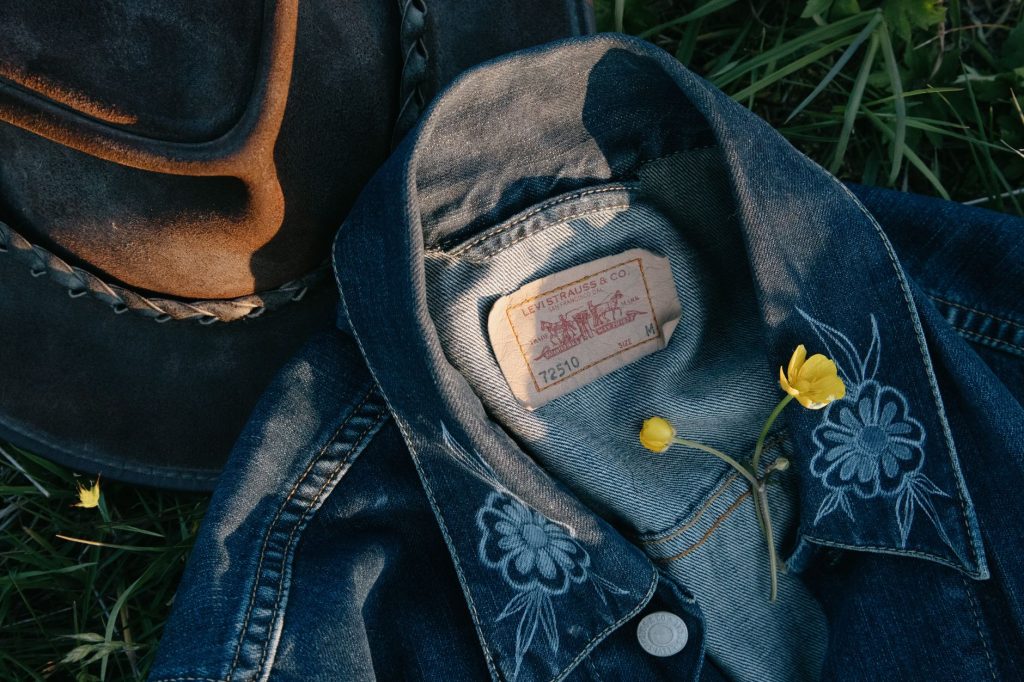
- Denim jackets for a laid-back look, perfect for everyday wear.
- Leather vests for warmth and an added edge.
- Chaps can be worn over jeans for protection while riding.
Ensuring outer layers fit comfortably over your inner clothing without being too baggy is critical for mobility.
Accessories
Accessories can vastly enhance the cowboy aesthetic. Popular choices include:
- Bandanas worn around the neck or as headbands to add a pop of color.
- Spurs can highlight authenticity and style; choose ones that reflect personal flair.
- Jewelry like silver bracelets or turquoise pieces to showcase individuality.
Seasonal Fashion Considerations
Cowboy attire is adaptable for different seasons. Here’s how to modify your look throughout the year:
Spring and Summer
During the warmer months, opt for lightweight fabrics. Some pointers include:
- Choose short-sleeve shirts or roll-up sleeves for breathability.
- Select light-colored or patterned jeans to reflect the spirit of spring.
- Swap heavy boots for stylish slip-on cowboy shoes for casual days.
Fall and Winter
As temperatures drop, layering becomes essential. For cooler months:
- Add thermal long-sleeve shirts under western shirts for extra warmth.
- Incorporate heavier outer jackets or flannel to enhance insulation.
- Consider leather gloves as both a functional and stylish accessory.
Building a Capsule Cowboy Wardrobe
A capsule wardrobe is a well-curated collection of pieces that can be mixed and matched. For a cowboy-inspired capsule, include:
- 3-4 western shirts in various colors and patterns.
- 2-3 pairs of jeans—one pair of dark wash, one lighter, and a pair for special occasions.
- 2-3 pairs of cowboy boots, varying in color and style.
- 1 versatile cowboy hat for everyday wear.
- 1 durable leather belt with an eye-catching buckle.
- 1 warm jacket and 1 lightweight jacket for layering.
This selection allows for versatile outfit combinations while simplifying the styling process.
Color Coordination Tips
Color can significantly impact the overall impression of an outfit. For cowboy wear, consider these guidelines:
- Stick to neutral tones for a classic look (e.g., browns, blacks, beiges).
- Add pops of color through shirts, accessories, or even boots.
- Consider the season; earth tones are excellent for autumn and summer florals can brighten spring.
Fabric and Garment Care
Understanding the fabrics used in cowboy clothing can help maintain their longevity. Focus on:
- Denim is robust but can shrink; washing in cold water and air drying can help.
- Wool felt hats should be brushed cleans as necessary; avoid submerging in water.
- Leather requires special cleaning products and occasional conditioning to maintain suppleness.
Fit Matters
Fit is crucial in achieving that polished cowboy look. Ensure that clothing:
- Provides ease of movement; avoid garments that are too tight or loose.
- Is tailored to your frame; consider seeking adjustments for a more personalized fit.
- Is balanced; longer shirts work better when tucked into higher waisted jeans.
Always try garments on to ensure comfort, especially when planning to wear them for extensive periods.
Shopping Guide for Cowboy Wear
When shopping for cowboy attire, keep these factors in mind:
- Quality over quantity; invest in durable pieces that will withstand wear.
- Research brands that specialize in cowboy wear, ensuring they are reputable.
- Consider second-hand stores for vintage finds, which can add authenticity.
- Try before you buy; this is especially critical for boots and hats to ensure perfect fit.
Sustainable Fashion in Cowboy Wear
As you build your cowboy-inspired wardrobe, consider the impact of your choices. To incorporate sustainable practices:
- Opt for brands committed to ethical production practices.
- Choose natural fabrics over synthetics, which are often more environmentally friendly.
- Shop second-hand when possible to reduce new production needs.
Current Fashion Trends in Cowboy Wear
Cowboy fashion continually evolves. Some current trends include:
- Integrating modern silhouettes with traditional cowboy attire, like oversized shirts paired with narrow trousers.
- Bold graphics and statement-making designs on shirts and accessories.
- Non-traditional boots, such as those with unique colors or prints.
- Mixing cowboy elements with contemporary street fashion, creating an urban take on the style.
When experimenting with trends, remain mindful of personal style and comfort. Classic pieces can serve as a great foundation while allowing for the creativity of modern twists.
As you explore the cowboy style, remember that the goal is to create an ensemble that reflects your identity while honoring tradition. By incorporating fundamental elements and adapting them to contemporary settings, your cowboy-inspired wardrobe can be both functional and fashionable.
For a practical next step, consider reviewing your wardrobe to identify staple pieces essential for completing your cowboy look. Whether it’s seeking out a pair of quality boots or a structured western shirt, building upon this foundational style can lead to endless outfit possibilities.
Explore related fashion guides and styling articles, such as what to wear to a rodeo and what kind of dress to wear with cowboy boots, to further expand your wardrobe and styling skills.