
The kilt is not just a traditional Scottish garment; it has become a versatile piece in modern fashion. From formal events to casual outings, wearing a kilt can be a statement of style, culture, and individuality. This guide will explore how to wear a kilt, offering practical styling tips, outfit ideas, and insights into coordinating kilt looks for various occasions.
Whether you’re a kilt enthusiast or a first-time wearer, understanding how to style this iconic garment is essential. With the right approach to fit, accessories, and outfit combinations, you can embrace the rich history of the kilt while making it your own.
How To Wear A Kilt?
Wearing a kilt involves understanding its history, finding the right fit, and styling it to suit the occasion. You’ll want to consider the type of kilt, how to accessorize it, and the overall look you want to achieve.
Understanding the Kilt: Types and Fabrics
Kilts come in various styles and fabrics, each suited to different occasions and seasons. Familiarize yourself with these options to choose the best kilt for your needs.
Types of Kilts
- Traditional Scottish Kilt: This is the most recognized form, often made from tartan fabric and featuring pleats in the back.
- Utility Kilt: These are more casual and often made from durable materials. They often have pockets, making them practical for daily wear.
- Modern Fashion Kilts: These can range from mini-kilts to asymmetrical cuts and are often styled in contemporary fabrics and patterns.
Fabrics to Consider
- Wool: Traditional kilts are often made from wool tartan, which provides warmth and a classic look.
- Cotton: A breathable option that’s great for casual or summer wear.
- Synthetic Blends: These are often lighter and easier to care for, suitable for casual outings or utility kilts.
Choosing the Right Fit
A good fit is critical for how a kilt looks and feels. Avoid kilts that are too tight or overly loose.
Measuring for a Kilt
- Measure your waist where you want the kilt to sit.
- Measure from your waist to the desired length, usually just above the knee.
- Check that the kilt allows for freedom of movement, especially in the pleats.
Adjustments for Comfort
If you find a kilt that is close but not perfect, it’s often worth consulting a tailor. Tailoring can allow for a better fit around the waist and adjust the length for personal preference.
Styling Your Kilt
Once you have your kilt, the real fun begins with styling. Here are various outfit combinations and suggestions to help you pull together a great look.
Casual Outfits
For a laid-back day, consider these casual outfit ideas:
- Kilt + T-Shirt + Sneakers: Choose a fitted or loose graphic tee to contrast with the structured lines of your kilt. Pair this with classic sneakers for comfort.
- Kilt + Jean Jacket + Chukka Boots: Layer a casual jean jacket over a basic tee, and add chukka boots for a stylish yet comfortable ensemble.
- Kilt + Sweater + Casual Shoes: Opt for a lightweight sweater over your shirt. Pair with loafers or casual lace-up shoes to keep it relaxed.
Workwear Styles
To incorporate a kilt into your work wardrobe, keep it polished but comfortable. Here are some ideas:
- Kilt + Button-Up Shirt + Blazer: Pair a crisp button-up with a fitted blazer to elevate your kilt. This combo is suited for creative workplaces where individuality is appreciated.
- Kilt + Turtleneck + Cardigan: A fitted turtleneck adds sophistication, while a cardigan can provide warmth and comfort. Finish the look with dress shoes.
Formal Wear Options
A kilt can be an outstanding choice for formal occasions. Here’s how to style it:
- Kilt + Waistcoat + Dress Shirt: A matching waistcoat over a dress shirt enhances the kilt’s classic aesthetic. Add a tasteful tartan tie for a cohesive look.
- Kilt + Fitted Jacket + Dress Shoes: Select a fitted jacket in a complementary color. Oxford shoes or brogues complete this elegant outfit.
Accessorizing Your Kilt
Accessories can make or break your look. Here’s how to choose the right ones:
- Belts: A sturdy belt complements the kilt and helps it fit securely. Opt for traditional leather or corded styles.
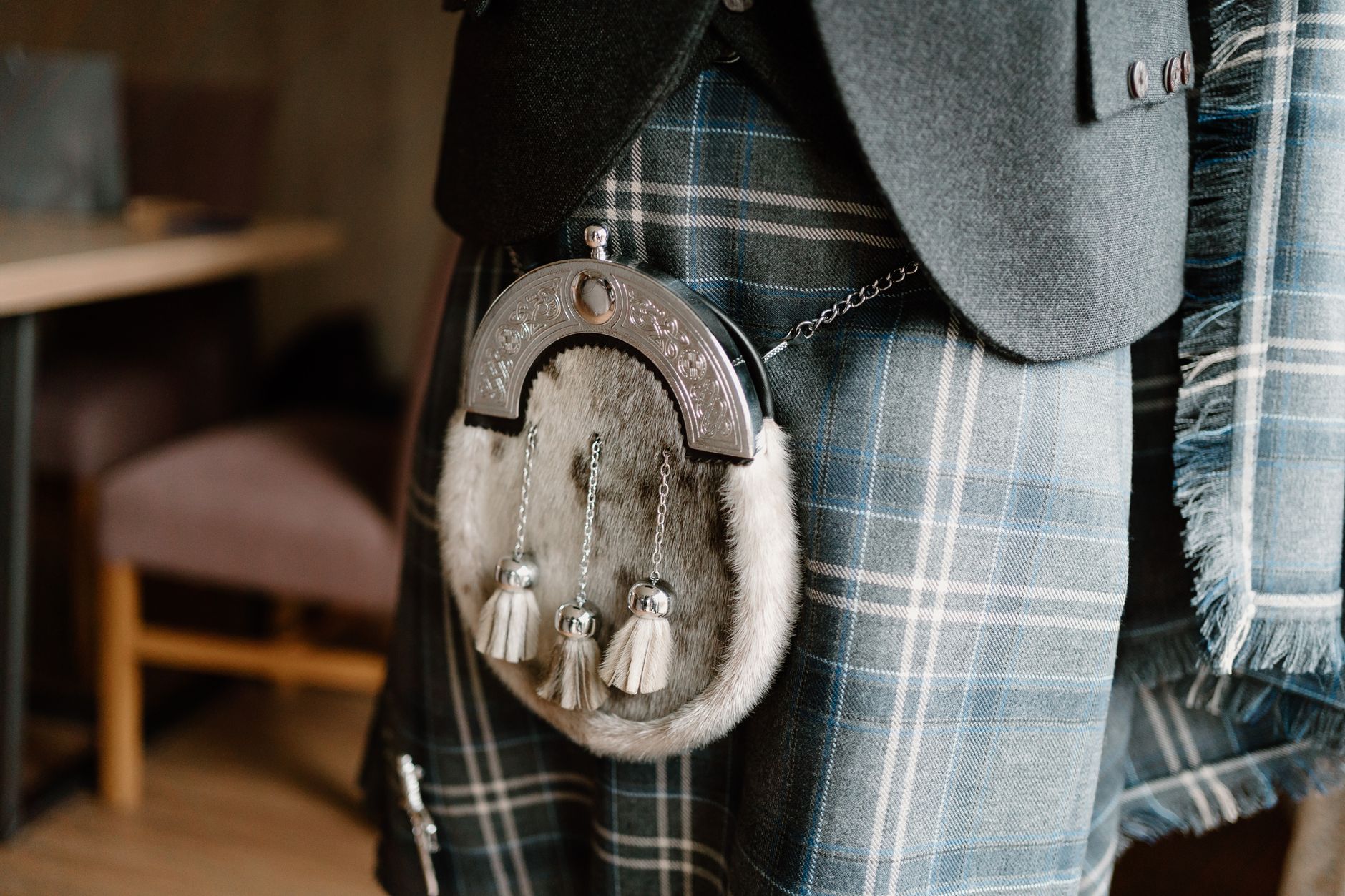
- Sporran: This traditional pouch adds both style and functionality. Choose one that matches your kilt’s colors.
- Kilt Hose and Garters: These knee-length socks are not only functional but can also add character when styled correctly.
- Footwear: Choose shoes that suit the occasion. Sneakers for casual wear, loafers for work, and dress shoes for formal settings.
Color Coordination and Seasonal Dressing
Understanding color coordination and seasonal dressing can enhance your kilt styling significantly.
Color Palettes
When selecting items to wear with your kilt, consider the kilt’s pattern and colors. Here are some tips:
- For a tartan kilt, choose solid colors that complement one of the colors in the pattern.
- If wearing a plain kilt, feel free to experiment with patterns on your shirt or jacket.
- Accessorize with neutrals to balance bolder colors.
Seasonal Adaptations
Adapt your styling based on the weather for comfort:
- Summer: Lightweight breathable fabrics paired with short-sleeve shirts and sandals are perfect for warm days.
- Fall: Layer with sweaters, blazers, or long-sleeve shirts and wear ankle boots for a stylish autumn look.
- Winter: Opt for warmer materials, layer with thermal shirts, and enhance your look with woolen wraps or trench coats.
- Spring: Light layers and bright colors can reflect the energetic vibe of the season.
Occasion Dressing with a Kilt
Knowing how to dress a kilt for specific occasions is essential. Here’s a breakdown:
Wedding Attire
Weddings often have specific dress codes, and a kilt can be a standout choice:
- Follow the wedding theme by matching any requested colors or by coordinating with the bridal party.
- Accessorize tastefully—choose a classic sporran and appropriate footwear.
Festival Dressing
Festivals are a place for vibrant expression:
- Incorporate fun colors and textures with your kilt, such as bright shirts or patterned footwear.
- Add festival accessories like hats or unique jewelry to enhance your look.
Cultural Events
If attending a cultural event, here’s how to respect traditions while looking stylish:
- Research dress codes and traditional expectations.
- Adhere to cultural norms while making sure you feel comfortable and confident.
Garment Care and Maintenance
Caring for your kilt properly will extend its lifespan and keep it looking fresh. Here are some care tips:
Cleaning Your Kilt
- Always check the care label for specific cleaning instructions.
- For wool kilts, it’s often best to dry clean to maintain the fabric’s integrity.
- Cotton and synthetic kilts can generally be machine washed on a gentle cycle.
Storage
- Store your kilt flat or hung properly to avoid unnecessary creasing.
- Ensure it’s clean before storing to avoid any stains setting in.
Shopping Tips for Kilts
When purchasing a kilt, consider these important factors:
Where to Buy
- Specialty kilt shops often have a range of options and knowledgeable staff to assist with sizing and style advice.
- Online retailers offer convenience and often a variety of choices, but check return policies in case the fit isn’t right.
What to Consider
- Always check the size chart of the brand as sizing can differ greatly.
- Explore different styles to see what suits your body type and personal style best.
- Consider durability, especially if you plan to wear it for various occasions.
Embracing Gender-Inclusive Kilt Fashion
The kilt is a gender-neutral fashion statement, and anyone can wear one confidently. Here are styling tips for all body types:
Womenswear Styling
- Pair your kilt with a fitted blouse or crop top to balance proportions.
- Adding a long cardigan or fitted blazer can enhance the silhouette.
Gender-Neutral Styling
Kilts can be styled in various ways for a gender-neutral look:
- Choose unisex tops—oversized shirts or fitted tees work well.
- Experiment with layering; a long duster coat or military jacket offers unique flair.
Final Thoughts
Wearing a kilt lets you express individuality and honor tradition simultaneously. With the right styling approaches, fit, and accessories, you can adapt this iconic garment to suit any occasion. Start experimenting with different outfit combinations, and don’t hesitate to make the kilt your own.
Now that you’re inspired to explore kilt fashion, consider trying out an outfit combination from this guide, or check the fit and fabric details of new kilts in your wardrobe. For further context on kilts, explore what a kilt is or learn how to wear a pashmina for additional styling tips.