The kilt is a traditional Scottish garment worn by men that has garnered a reputation as both a cultural symbol and a fashion statement. Often made of woolen cloth patterned in a tartan design, it offers a distinctive silhouette that combines elegance and comfort. Despite its historical roots, the kilt has evolved to fit modern wardrobes and styles.
This article will explore the origins, variations, styling tips, and fabric care for kilts, providing you with a comprehensive guide on incorporating them into your personal style.
What Is A Kilt?
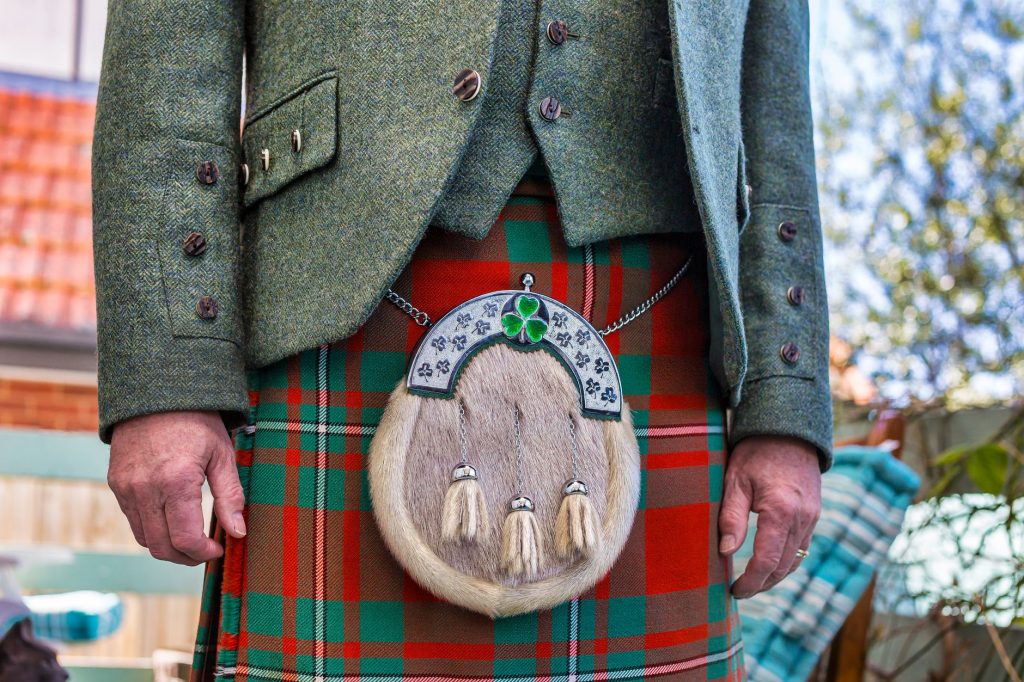
A kilt is a knee-length skirt-like garment with pleats at the back, originating from Scotland. Traditionally made from wool, the kilt features tartan patterns, which are specific to various Scottish clans. While it is often associated with Scottish dress, modern adaptations allow for versatile styling across varied fashion contexts.
History and Significance of the Kilt
The kilt dates back to the 16th century, originally designed as a practical garment for Scottish highlanders. Initially, it was a full-length garment called the “great kilt,” made from a single piece of cloth that could be worn in multiple ways.
By the 19th century, the kilt evolved into the knee-length style we recognize today, partially due to its adoption in military uniforms. Kilts were often worn during formal events, festivals, and ceremonies, symbolizing Scottish heritage.
Types of Kilts
While the traditional kilt remains popular, various adaptations and modern interpretations exist:
- Traditional Kilt: Typically made of wool, featuring pleats, and often crafted in clan tartans.
- Utility Kilt: A modern take made from durable fabrics that often include pockets and can be worn casually.
- Fashion Kilt: Experimental styles that may deviate from classic patterns and are designed to fit contemporary aesthetics.
- Mini Kilt: A shorter, more youthful take on the traditional kilt, often made for both casual and semi-formal settings.
Outfit Ideas with a Kilt
Incorporating a kilt into your outfits can be both stylish and versatile. Here are some outfit ideas to help you get started:
Casual Look
- Pair a tartan kilt with a fitted white t-shirt and denim jacket for a relaxed and chic ensemble.
- Opt for a utility kilt with a simple black or grey hoodie for a comfortable look, perfect for weekend outings.
Formal Attire
- Wear a traditional kilt with a crisp white dress shirt, waistcoat, and tie for weddings or formal gatherings.
- Accessorize with a sporran (a small pouch worn at the waist) and a pair of dress shoes to complete the look.
Seasonal Styling
Kilts can transition beautifully through the seasons. Here are seasonal styling pointers:
- Spring: Pair with light layers like a knitted sweater or a casual blazer. Complement with ankle boots.
- Summer: Wear with a short-sleeved shirt and sandals for a breezy, warm-weather outfit.
- Autumn: Layer with a long-sleeved shirt, a cardigan, and casual boots. A scarf can add warmth and texture.
- Winter: Opt for a kilt made of heavier wool paired with tights, knee-high boots, and a fitted coat.
Styling Advice for Kilts
To wear a kilt confidently, it’s essential to consider the styling elements that can enhance your outfit. Here are some key tips:
- Consider the fit: A well-fitted kilt should sit at the waist and flow down to the knees, with enough room for movement.
- Prints and patterns: If your kilt has a bold tartan, balance it with a simple top. Conversely, a more subdued kilt can be paired with vibrant shirts or accessories.
- Accessories: Choose accessories that complement the kilt. A sporran can add functionality and style, while a kilt pin can enhance the garment’s silhouette.
- Footwear: When selecting shoes, your choice can change the vibe; boots give a rugged look, while loafers or brogues will elevate a formal outfit.
Wardrobe Essentials for Styling a Kilt
Creating a wardrobe that accommodates a kilt involves choosing versatile foundational pieces. Here’s what to include:
- Basic Tops: A selection of fitted shirts and t-shirts in neutral and complementary colors.
- Layering Pieces: Lightweight sweaters, cardigans, or casual jackets for added comfort and style.
- Shoes: Both casual and formal options—think sneakers for everyday wear and dress shoes for formal occasions.
- Accessories: Sporrans, scarves, and brooches to personalize your look.
Choosing the Right Fabric and Fit
The fabric of a kilt significantly influences its appearance and comfort. Traditional kilts are generally made from wool, known for its durability, breathability, and warmth.
Here’s how to choose the right fabric:
- Wool: Ideal for formal wear and winter outfits. It holds shape well and has a luxurious feel.
- Cotton Blend: Great for casual and utility kilts as it tends to be lighter and more breathable in warmer temperatures.
- Denim: A fashionable option for utility and fashion kilts that complements a modern, casual style.
As for fit, consider tailoring for a more polished look. Ensure the kilt sits comfortably at the waist and hits just above the knee, allowing for ease of movement.
Kilt Care and Maintenance
Proper care is essential to keep your kilt looking its best. Here are some tips:
- Check the care label for specific instructions tailored to the fabric.
- Most wool kilts can be dry cleaned; however, they can also be air-dried and brushed with a lint roller as needed.
- Store your kilt hanging to maintain its shape and to avoid creasing.
- For cotton or denim kilts, machine washing may be an option, but avoid high heat when drying to prevent shrinking.
Shopping for a Kilt
When shopping for a kilt, consider the following criteria to help you make an informed choice:
- Purpose: Determine if you’ll wear it for formal occasions, casual outings, or both.
- Fabric: Choose a fabric based on comfort and the climate where you’ll wear it.
- Size and Fit: Ensure you know your measurements or try the garment on whenever possible.
- Tartan Patterns: If you want a traditional kilt, research which tartans correspond to your family or clan.
Embracing Sustainable Fashion
As with any garment, considering sustainability when purchasing a kilt is essential. Here are a few ways to follow sustainable fashion principles:
- Opt for brands that prioritize ethical manufacturing practices and sustainable materials.
- Consider second-hand or vintage kilts, which minimize waste and offer unique styles.
- Invest in high-quality pieces that will last, reducing the need for frequent replacements.
Popular Brands and Designers
Several brands specialize in kilts, offering various styles, materials, and price points:
- Highland Heritage: Known for their custom-made traditional kilts.
- Kilt Society: Offers a fusion of traditional and contemporary designs.
- Utility Kilt: Focuses on functional and modern adaptations of the kilt.
- McCall’s: Known for their extensive range of tartans and high-quality materials.
When exploring brands, check reviews and return policies to ensure you find the perfect fit for you.
Dress Codes Involving Kilts
Understanding when and how to wear a kilt can enhance your confidence in various settings. Here’s how kilts fit within different dress codes:
- Formal Events: A traditional kilt paired with dress shoes fits well at weddings and other formal occasions.
- Smart Casual: Pair a kilt with a smart button-up shirt and blazer for restaurant outings or parties.
- Casual Gatherings: A utility kilt with a graphic tee is suitable for relaxed settings like barbecues or outdoor events.
- Festivals: Embrace bold patterns and mix with fun accessories for music festivals or cultural events.
When in doubt, consider the overall vibe of the event and the usual attire of attendees.
Conclusion
The kilt remains a versatile and culturally significant garment that can seamlessly fit into various wardrobes. Whether you’re dressing up for a formal event or keeping it casual, the kilt offers endless styling possibilities. For your next fashion experiment, consider adding a kilt into the mix and explore the unique charm it brings.
For more insights, don’t miss exploring what a kilt is or discover the nuances of cocktail attire.