
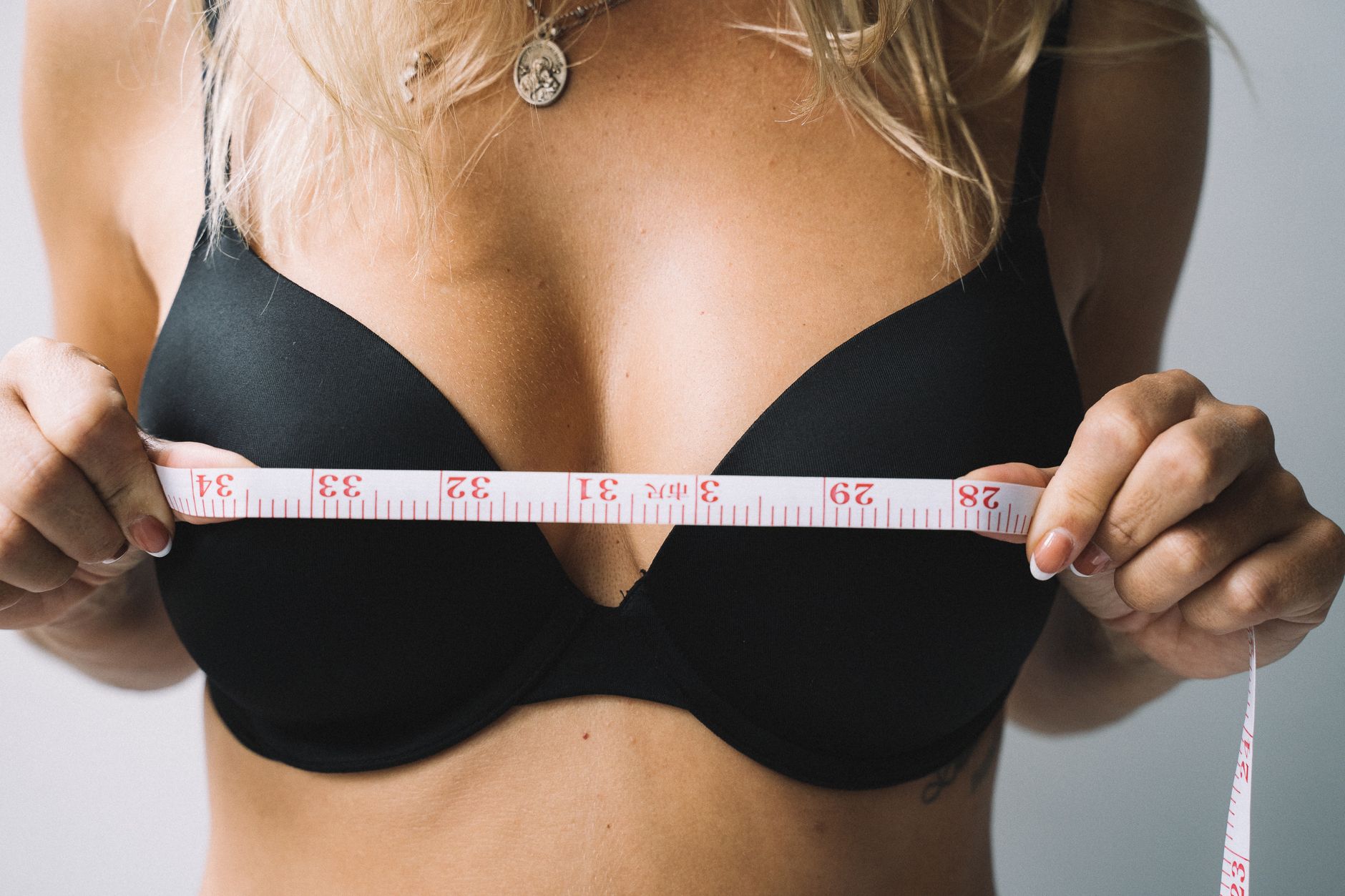
Understanding how to visually estimate bra cup size from photos can be a useful skill in fashion, especially when shopping online or gauging fit for outfits. While physical fittings are ideal, there are ways to make educated guesses based on images. In this guide, we’ll explore practical methods to estimate cup sizes effectively and stylishly.
From determining different cup sizes to incorporating this knowledge into outfit choices, this guide will empower you with the tools needed to navigate the world of bras and their contributions to a polished appearance.
How To Visually Estimate Bra Cup Size From Photos?
To visually estimate bra cup size from photos, consider the overall proportions of the body, the distance between the bust and the neckline, and other contextual clothing elements. Measurements like these can provide clues about cup size and desired fit.
Understanding Bra Cup Sizes
Before delving into visual estimation, it’s essential to understand the basics of bra cup sizes. Bra sizes combine a number and a letter, with the number denoting the band size and the letter indicating the cup size. The cup size ranges typically include:
- A Cup – Smaller bust measurement
- B Cup – Slightly larger than an A
- C Cup – Full yet balanced bust
- D Cup – Larger bust, significant volume
- DD/E Cup – Fullest bust size among standard sizes
- F and beyond – Increasing size progressively
The cup size is determined by the difference between the bust measurement (around the fullest part of the breast) and the band measurement (around the ribcage directly under the bust). Understanding this will help you refine your visual estimates.
Factors Influencing Visual Estimation
When attempting to estimate bra cup size from a photo, consider a range of factors that can influence your perception. These include:
- Body Proportions: A person’s height, shoulder width, and body shape can affect how a particular cup size appears.
- Clothing Style: The type of clothing worn over the bust—such as fitted tops or draped fabrics—can accentuate or downplay the appearance of the bust.
- Phot angle: The angle at which a photo is taken can distort body proportions, making it challenging to visualize correct size.
- Posture: A straight posture can enhance the appearance of the bust, potentially changing the perceived cup size.
- Lighting: Poor or flattering lighting can either accentuate or diminish curves, affecting the visual estimation.
Step-by-Step Guide to Estimating Bra Cup Size from Photos
Using the factors we’ve discussed, follow these steps to make an educated guess about cup size based on a photograph.
- Analyze Body Frame: Observe the overall body frame and proportions. A smaller framed individual may have smaller cup sizes, while a larger frame might require larger sizes.
- Examine the Bust Measurement: Look at the bust and see how it relates to the shoulders and waist. A well-defined bust compared to a smaller waist may suggest a fuller cup size.
- Assess the Neckline: The style and depth of the neckline can also provide clues. A plunging neckline can indicate a larger bust size, as it often reveals more skin and contour.
- Consider Top Fit: If the top is fitted, bulging or gaps within the fabric often indicate a size mismatch. This can hint towards the cup size needed for a proper fit.
- Use Reference Points: Remember key visual cues for each cup size based on your familiarity. For instance, a C cup might fit snugly in a fitted shirt without appearing overly large.
Visual Cue Comparison Table
| Cup Size | General Appearance | Common Garment Fit |
|---|---|---|
| A Cup | Lesser volume, can appear flattened or minimal | Loose tops or decorative styles work well |
| B Cup | Soft curve, moderate volume visible | Fitted tops or dresses accentuate curves |
| C Cup | Prominent fullness, nicely defined bust | Structured blouses complement this size |
| D Cup | Sizable bust, full silhouette | Fitted styles or wrap tops showcase shape |
| DD/E Cup | Very full bust, often supported by bras with underwire | Fashion-forward cuts, enhancing silhouettes |
Incorporating the Right Bra for Your Outfit
Knowing how to estimate cup size is only half the equation. The right bra can enhance your figure and optimize your outfits. Here are some tips for choosing the right bra based on your estimates:
- Support: A well-fitted bra provides necessary support. Look for styles designed for your estimated cup size.
- Style: Choose different bra styles—push-up, wireless, sports—that suit your outfit type. For instance, a strapless bra is ideal for off-the-shoulder tops.
- Comfort: Prioritize comfort. If you’re unsure about sizes, trying a few different options might help find your perfect fit.
- Fabric Choices: Select fabric based on the outfit. For ridge-less tops, smoother fabrics may be necessary to avoid unsightly lines.
Wardrobe Essentials with Bra Consideration
When curating your wardrobe, focus on essential pieces that work well with your bra choices. Below are key items to include:
- Fitted Tops: Ensure you have a variety of fitted tops. They provide a clean line and make it easier to see how a bra fits.
- Casual Tees: Loose tees should complement the type of bra you’re wearing for an effortless look.
- Dresses: Opt for dresses with built-in support or those that accommodate a range of styles, such as halter or sweetheart necklines.
- Layering Pieces: Add blazers or cardigans that work well over fitted tops while allowing the bra to maintain its shape.
Impact of Body Shapes on Bra Cup Size Estimation
The visual estimation of bra sizes can also vary significantly based on body shapes. Understanding how different body types correlate with bra sizes will further refine your estimating skills.
Different Body Shapes and Their Bra Size Implications
- Hourglass: Typically, those with an hourglass shape may carry a more balanced bust which reflects in cup sizes close to B or C.
- Pear Shape: This body type may have a smaller bust and wider hips, often estimating smaller cup sizes such as A or B.
- Apple Shape: An apple-shaped body often has a fuller bust along with a broader midsection, leading to larger cup estimates like C or D.
- Rectangle Shape: Those with a more rectangular shape may find their cup sizes dispersed across various options, requiring flexible and adjustable bras.
Tips for Accurate Evaluations in Different Contexts
When visually estimating bra sizes, context plays a significant role. Here are some examples:
- For Work Attire: Under blouses and tailored fits, ensure the cups are ample but not overflowing.
- For Casual Looks: Stretchy or loose materials can conceal irregularities, so it’s less critical to pinpoint size here.
- For Formal Wear: Dress fitting requires precision; ensure the bra complements the silhouette of your gown or dress.
Common Misconceptions About Bra Sizing
Understanding bra sizing can often be clouded by misconceptions. Being aware of these will enhance your ability to estimate sizes accurately.
- One Size Fits All: Many believe that one cup size works universally. This is false. Fit varies greatly from brand to brand.
- Sizes Are Absolute: Cup sizes vary based on body proportions. A B cup in one brand may not fit the same way in another.
- Support Equals Cup Size: People often assume a larger cup size equates to more support. This isn’t always true—proper fit is critical.
Practical Guidelines When Shopping Online
Shopping online for bras can be a challenge, but following these guidelines can help simplify the process:
- Review Size Guides: Most brands provide a size chart. Review these prior to assessing any estimate you made from photos.
- Check Return Policies: Understand the return policies for bras since fit might vary depending on the photo estimates.
- Read Reviews: Customer reviews can provide insights into sizing and fit that might aid in your estimation process.
- Utilize Visual References: If available, visual representations or model sizing can provide benchmarks for estimation.
Final Thoughts on Visual Estimation
Becoming adept at visually estimating bra cup sizes from photos is a skill that takes time and practice. Remember that while visual measures can serve as a guideline, trying on different styles will always yield the best results. Your comfort and confidence should drive your choices, ensuring your clothing looks flattering and feels great.
As you enhance your wardrobe, keep refining your skills in estimating sizes. Your fashion journey grows richer when you’re equipped with the knowledge of how fit and proportions play crucial roles in your style.
Explore more about proper measurements for bra fitting or learn how to figure out your optimal bra size by checking out our detailed guide at How to Measure Bra Cup Size and How to Figure Out Bra Size.