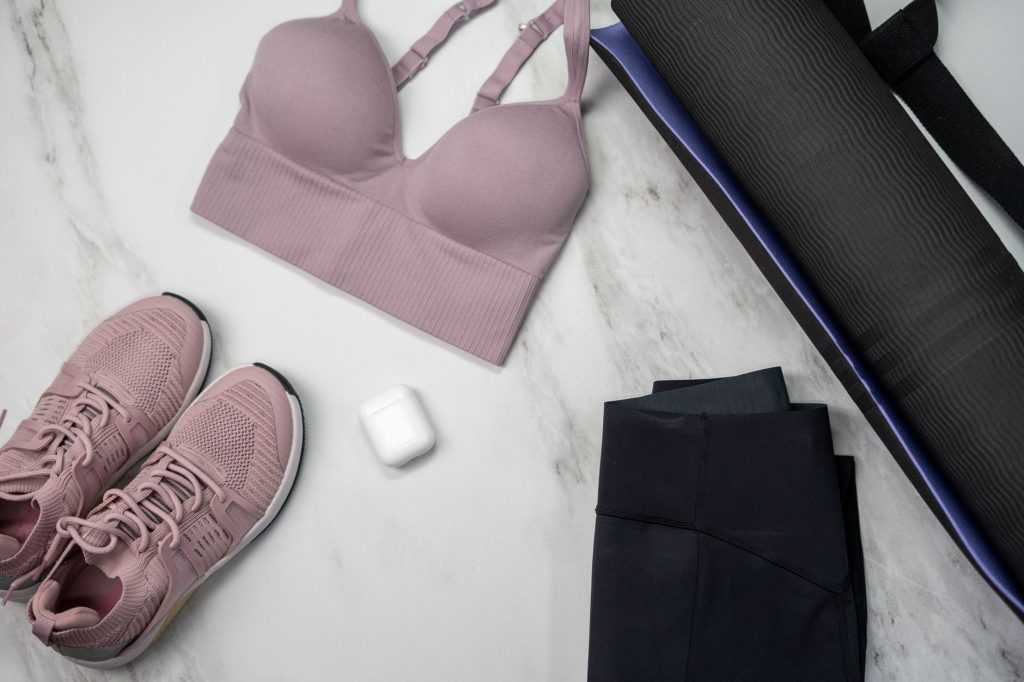
Determining the correct bra size is crucial for comfort and support, yet many women find it challenging. The right fit can enhance your overall silhouette and boost confidence. This guide will demystify the steps for figuring out your bra size, so you can shop with ease and feel your best.
Understanding your bra size involves more than just numbers; it includes finding the right style that suits your unique body shape. Whether you’re looking for everyday comfort, formal wear, or something sporty, knowing your correct size will make a significant difference. Let’s explore how to accurately measure your bra size and what to consider when shopping for bras.
How Do You Figure Out Your Bra Size?
To figure out your bra size, you need to take your measurements for both band size and cup size. Here’s a step-by-step guide to help you through this process.
Step 1: Gather Your Tools
Before you start measuring, ensure you have the following tools:
- A soft measuring tape
- A notepad and pen to jot down your measurements
- A mirror to help with the measurements
Step 2: Measure Your Band Size
Your band size is the number part of your bra size. Follow these steps to get an accurate measurement:
- Wear a well-fitting, non-padded bra or no bra at all for accurate results.
- Wrap the measuring tape around your ribcage, just under your bust. Ensure the tape is level and snug but not too tight.
- Take note of the measurement in inches.
If the measurement is an even number, add four inches. If it’s odd, add five inches. This total gives you your band size.
Step 3: Measure Your Bust Size
Your cup size is the letter part of your bra size. Here’s how to measure it:
- With the measuring tape, measure around the fullest part of your bust. Ensure the tape is straight across your back and parallel to the ground.
- Record this measurement as well.
Step 4: Calculate Your Cup Size
To find your cup size, subtract your band size from your bust measurement:
- 1 inch difference = A cup
- 2 inches difference = B cup
- 3 inches difference = C cup
- 4 inches difference = D cup
- 5 inches difference = DD (E) cup
- 6 inches difference = DDD (F) cup
- 7 inches difference = G cup
- 8 inches difference = H cup
Step 5: Combine Your Measurements
Now that you have your band size and cup size, combine them to determine your bra size. For example, if your band size is 34 inches and your cup size is D, your bra size would be 34D.
Understanding Bra Sizes and Styles
Bra sizing can differ between brands and styles, so it’s essential to know the following:
Bra Size Variations
Different brands may have slightly different sizing charts. It’s wise to check the specific sizing guide for the brand you are purchasing. Additionally, styles such as sports bras, padded bras, and minimizers may fit differently.
Choosing the Right Bra Style
Understanding different bra styles can enhance your comfort and fit. Here are common styles and their features:
- Underwire Bras: Offers support and structure, excellent for larger busts.
- Wireless Bras: Provides comfort without underwire; great for casual wear.
- Bralettes: Lightweight and often feature lace or softer materials, ideal for smaller busts.
- Sports Bras: Designed to minimize movement during physical activity; great for all bust sizes.
- Push-Up Bras: Adds volume and enhances cleavage; suitable for special occasions.
Common Bra Fitting Issues
Even with the right measurements, there can still be fitting issues. Here are some common problems and their solutions:
1. Cup Overflow
If your breasts spill over the top of the cup, the cup size might be too small. Consider going up a cup size for better coverage.
2. Gaping Cups
If there’s excess space in the cup when you wear the bra, you may need to go down a cup size.
3. Band Riding Up
If the band rides up your back, it may be too large. Try a smaller band size; remember to adjust the cup size accordingly.
4. Underwire Digging In
If the underwire digs into your skin, your band or cup size may be too small. Try going up in both size measurements.
When to Reassess Your Bra Size
Our bodies change over time, so it’s essential to reassess your bra size periodically. Consider the following scenarios:
- After weight loss or gain
- After pregnancy or breastfeeding
- When experiencing hormonal changes
- After aging, as breast tissue can change
Tips for Finding the Perfect Bra
Having your correct size is just the beginning. Here are some additional tips for finding the right bra:
1. Try It On
When shopping, try on various styles and brands. Don’t just select your size based on measurements; each bra fits differently.
2. Move Around
While trying the bra, stretch, reach, and move your arms to assess comfort and fit. Your bra should feel secure yet comfortable.
3. Check the Band Fit
The band should sit comfortably and parallel to the ground. You should be able to fit two fingers under the band without it being too loose.
4. Adjust the Straps
Adjust all straps to prevent slipping. They should rest comfortably on your shoulders without digging in.
5. Consider Professional Fitting
If you’re unsure about sizing, many lingerie stores offer professional fittings. It’s a quick and helpful way to identify your size and get personalized style recommendations.
Shopping for Bras: Where to Look
Knowing where to shop can make your bra search easier. Here’s a guide to types of retailers:
1. Department Stores
These stores often have a wide selection of brands and price points. Look for stores with knowledgeable staff who can assist with fittings.
2. Lingerie Boutiques
Specialty shops focus solely on lingerie, offering a more curated selection. The staff usually provides expert advice on fitting and style.
3. Online Retailers
Shopping online expands your options and lets you browse comfortably. However, pay attention to the return policy, as sizing may vary significantly by brand.
4. Second-hand Stores
If you’re on a budget or seek sustainable fashion, look for gently used bras at thrift stores or online marketplaces. Just remember to check for wear and hygiene.
Caring for Your Bras
Proper care prolongs the life of your bras, ensuring they maintain their fit and shape. Consider the following tips:
1. Hand Wash When Possible
Hand washing bras helps maintain their elasticity. Use a gentle detergent and cold water, and avoid wringing them out.
2. Use a Bra Bag
If machine washing, place bras in a mesh lingerie bag and use a gentle cycle to minimize damage.
3. Air Dry
Never put bras in the dryer. Instead, lay them flat or hang them to air dry. This helps preserve the elasticity and structure.
4. Store Properly
Store bras in a way that prevents them from losing shape. Lay them flat or stack them in a drawer without folding cups inside one another.
Understanding Size Changes and Trends
As fashion evolves, so does bra design and sizing. Pay attention to emerging trends, such as inclusivity in bra designs and extended sizing options. Brands are increasingly recognizing the diverse needs of all body types, providing more choices than ever.
Future of Bra Sizing
Brands are beginning to offer size ranges that utilize a more inclusive approach, moving away from traditional sizing, which can be unrealistic for many individuals. Understanding your unique needs will enable you to make the best selections in fit and style.
Wrapping Up Finding Your Perfect Bra Size
Figuring out your bra size is an essential task that can drastically improve your wardrobe experience. Knowing both your measurements and different styles will greatly enhance comfort, support, and your overall look. Take the time to measure yourself accurately, try on different styles, and invest in quality bras that suit your current lifestyle.
If you’re still unsure, consider visiting a lingerie boutique for a professional fitting. This step ensures you and your body will feel comfortable in every outfit you choose. Start your journey towards a properly fitting bra today!
Explore more about bras and related fashion guides such as the biggest bra size and which color bra to wear under a white shirt for more styling tips and insights.