
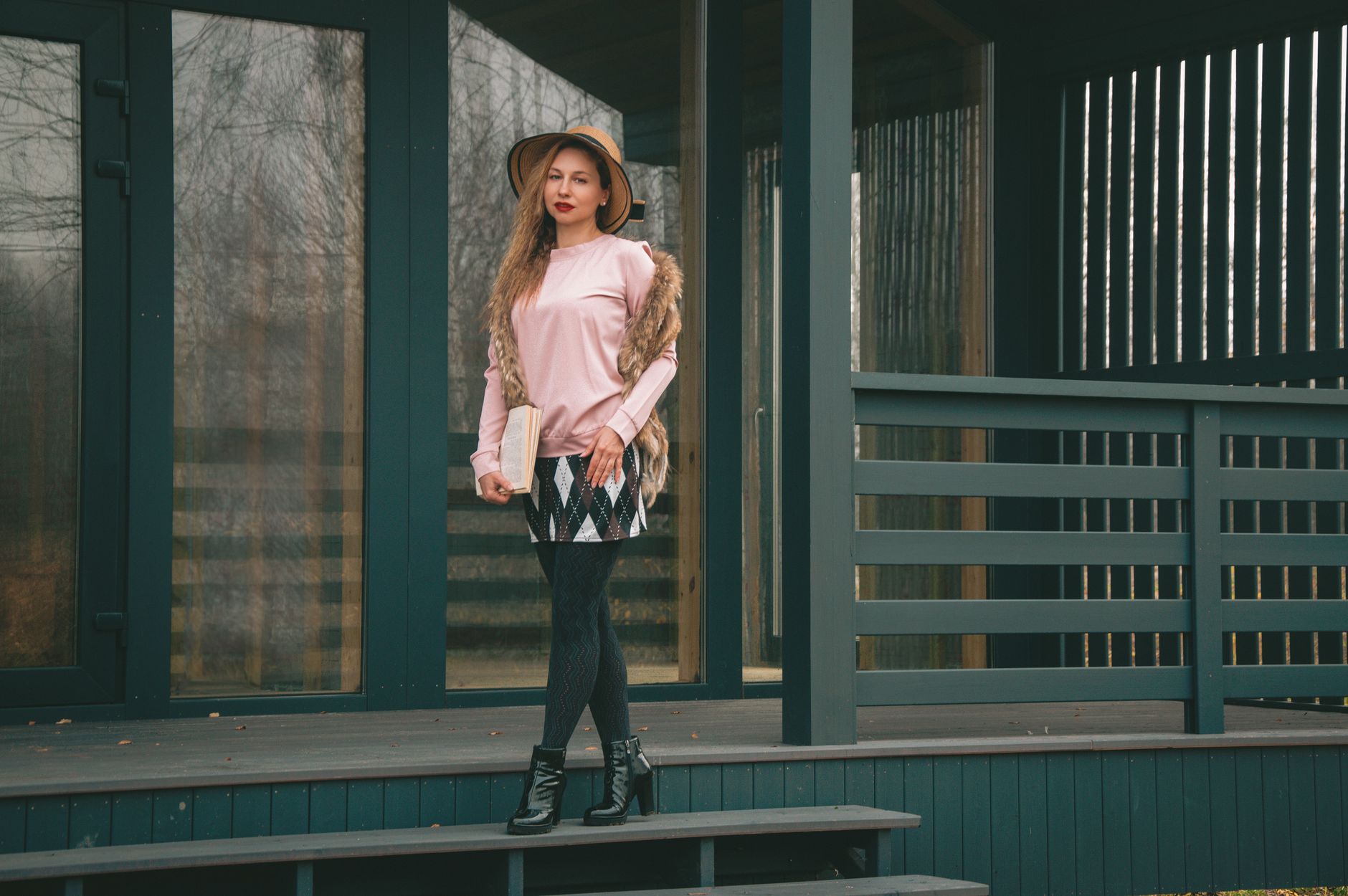
Finding your personal style can feel overwhelming, but it doesn’t have to be. It’s all about discovering what makes you feel great and confident while creating a wardrobe that reflects who you are. Whether you want to revamp your current looks or start from scratch, this guide will help you navigate your journey to finding your style.
With easy steps, expert tips, and plenty of examples, you will learn how to curate outfits that suit your lifestyle, highlight your personality, and adapt to various occasions. Let’s dive in!
How To Find My Style?
To find your style, start by assessing your preferences, identifying your body shape, and understanding what works for your lifestyle. This involves experimenting with different styles, colors, and fabrics, while also gathering inspiration and refining your choices. By following a strategic approach, you can confidently establish a wardrobe that resonates with your unique sense of self.
Identify Your Style Inspiration
The first step in defining your style is to seek inspiration. Here are some effective ways to gather ideas:
- Follow Fashion Icons: Identify celebrities, influencers, or bloggers whose style resonates with you. Look at their outfits for ideas that can be adapted to your wardrobe.
- Use Social Media: Platforms like Pinterest and Instagram allow you to create boards or collections of images that reflect your desired style. Save outfits that catch your eye.
- Magazines and Lookbooks: Fashion magazines and seasonal lookbooks from brands can provide a wealth of ideas and trends that might suit you.
Consider choosing at least five to ten style icons or themes to work with; this helps narrow down your taste and gives you a clearer vision of what you want to emulate.
Assess Your Lifestyle and Needs
Your personal style should reflect your lifestyle. Here’s how to assess what you’ll need:
- Daily Activities: Think about your daily routine. If you work in a corporate setting, your wardrobe should accommodate more formal attire. On the other hand, if you work from home, opt for comfortable yet stylish pieces.
- Occasions: List the types of events you frequently attend, such as casual hangouts, formal events, or outdoor adventures. This will guide your specific outfit choices.
- Comfort: Prioritize comfort in your outfits. Ensure that whatever style you lean towards, you still feel good in your clothes.
Understanding Your Body Shape
Recognizing your body shape can significantly influence your style choices. Common body shapes include:
- A-Shape: Wider hips compared to shoulders. Emphasize the waist and avoid clingy styles.
- V-Shape: Broader shoulders with narrower hips. Balance your silhouette with loose-fitting or ruffled bottoms.
- Rectangle: Balanced measurements. Layering and detailing can create curves.
- Hourglass: Proportional measurements. Fitted clothing that emphasizes the waist works best.
- Inverted Triangle: Similar to V-shape but with a less defined waist. Aim for a softer look with flowing bottom pieces.
Understanding your shape will allow you to select flattering silhouettes that highlight your best features while providing comfort and style.
Curate a Cohesive Color Palette
Selecting a color palette simplifies outfit coordination. Here are steps to build your ideal palette:
- Assess Skin Tone: Determine whether you have cool, warm, or neutral undertones. This helps identify which colors complement your complexion.
- Choose a Base Color: Pick a neutral color that you can build upon; options include black, white, gray, or beige.
- Add Accent Colors: Select two to three colors that you love and that work well with your base color. These can be used in accessories, tops, or statement pieces.
- Include Statement Pieces: If you enjoy bold colors or patterns, choose a couple of statement pieces that can stand out, ensuring they blend with your palette.
Wardrobe Essentials for a Versatile Collection
A practical wardrobe consists of versatile pieces that can be mixed and matched. Here are some essentials to consider adding to your collection:
- Classic White Shirt: A timeless piece that can be dressed up or down.
- Tailored Blazer: Great for work or smart-casual looks.
- Denim Jeans: A versatile bottom that pairs well with nearly everything.
- Casual T-shirt: Comfortable yet stylish for a laid-back look.
- Little Black Dress: Perfect for various occasions, from parties to formal events.
- Comfortable Footwear: An essential for feeling great all day whether you prefer sneakers, flats, or heels.
When choosing these staples, focus on fit and fabric quality. Well-fitted clothes enhance your shape and elevate your appearance.
Creating a Capsule Wardrobe
A capsule wardrobe is a collection of essential items that can be mixed and matched to create numerous outfits. Here’s how to create one:
- Choose a Select Number of Items: Aim for approximately 30-40 pieces that cover all styles and occasions.
- Prioritize Versatile Pieces: Select items that can work for multiple occasions, ensuring color and fit compatibility.
- Seasonal Changes: Rotate items based on the season to keep your wardrobe fresh and suitable for the weather.
- Review Regularly: Constantly reassess your capsule wardrobe to accommodate new favorites and remove pieces that you no longer wear.
Layering for Style and Functionality
Layering is a key technique in achieving stylish looks, especially during transitional seasons. Here’s how to master the art of layering:
- Start with a Base: Begin with a fitted top or dress that serves as your foundation.
- Add a Middle Layer: Incorporate a lightweight cardigan, blazer, or shirt that complements your base layer.
- Finish with an Outer Layer: Include a coat or jacket that ties all elements together while providing warmth and style.
- Accessorize Wisely: Use scarves, hats, and belts to add depth to your layers while maintaining practicality.
Footwear and Accessories
Footwear and accessories can dramatically change the tone of any outfit. Here are key pieces to consider:
- Sneakers: Perfect for casual outings and comfortable wear.
- Heels: Versatile for dressy occasions, providing height and elegance.
- Flats: Easy to wear while remaining chic and professional.
- Statement Bags: A statement bag can elevate the simplest of looks and serve as a conversation starter.
- Jewelry: Layer necklaces or stack rings to add personality to your outfit.
Adapting Outfits for Seasons
Seasonal dressing is crucial for practicality and style. Here’s how to adapt your wardrobe:
- Spring: Incorporate light layers with bright color palettes, including cardigans over floral tops and ankle boots.
- Summer: Opt for breathable fabrics like cotton and linen; maxi dresses or shorts are perfect for warm weather.
- Autumn: Use earthy tones, layering pieces like lightweight scarves and long-sleeve tops under jackets.
- Winter: Invest in thermal layers and stylish outerwear; sweater dresses can be chic and warm.
Styling for Different Occasions
Dressing for various occasions means adapting your personal style accordingly. Here are examples of styling for different scenarios:
- Work: For an office setting, combine tailored trousers with a blouse and a blazer, completing the look with loafers.
- Casual Outing: Pair high-waisted jeans with a cropped top and a denim jacket. Comfortable sneakers add a laid-back vibe.
- Formal Event: A structured cocktail dress and classic pumps can be elegant yet appropriate for weddings or gala events.
- Relaxed Weekend: Choose jogger pants paired with a loose fit t-shirt and slip-on shoes for a balance of comfort and style.
Caring for Your Garments
Maintaining your clothes prolongs their life and keeps them looking good. Here’s how to care for different types of fabrics:
- Cotton: Machine wash in cold water; tumble dry low. Iron if needed.
- Wool: Hand wash or dry clean. Lay flat to dry to prevent stretching.
- Denim: Wash as infrequently as possible; spot clean and air dry to preserve color and fade.
- Synthetics: Most can be machine washed but check care labels and avoid high heat in the dryer.
Experimentation and Refinement
As you begin to define your style, remember that experimentation is key. Here’s how to approach it:
- Try New Combinations: Don’t be afraid to mix and match items in ways you haven’t considered. You might create unexpectedly stylish outfits.
- Attend Events: Participate in different social events to test how different outfits feel and whether they work for you.
- Document Your Outfits: Take selfies or keep a style journal to note what you loved and what can be improved.
Embrace the process of discovering your style. It’s an evolving journey that reflects who you are and how you want to present yourself to the world.
Summary and Next Steps
Finding your personal style involves gathering inspiration, understanding your body shape, and creating a harmonious wardrobe filled with thoughtful pieces. Remember that this process takes time and experimentation. Don’t hesitate to try new looks and refine your choices along the way.
As a practical next step, consider assessing your current wardrobe and identifying a few key pieces that you love. From there, experiment with different combinations to create fresh outfits that express your style.
Explore more outfit ideas and styling tips with our guides on finding your style and dressing for your body type.