Dressing well involves understanding personal style, body type, occasion, and current trends. It’s about more than just putting on clothes; it’s a form of self-expression that can enhance confidence and comfort. This guide will help you navigate outfit ideas, styling advice, and essential wardrobe pieces to help you dress effectively for any occasion.
This article will cover everything from building a capsule wardrobe to understanding dress codes. It’s designed to be practical, inclusive, and easy to follow, ensuring that everyone can find their unique style.
How To Dress: What Basic Principles Should You Know?
To effectively dress, it’s crucial to understand the foundational principles that guide wardrobe choices. Here are some key aspects to consider:
- Fit: Ensure your clothes fit well. A tailored fit can elevate even the simplest outfit.
- Proportion: Balance the volume and length of your pieces for a harmonious look.
- Color Coordination: Understand how to combine colors that complement each other.
- Fabric Choice: Select fabrics that suit your personal style, climate, and occasion.
- Dress Code: Always dress appropriately for the occasion, whether it’s casual, business, or formal.
Building a Capsule Wardrobe
A capsule wardrobe is a streamlined collection of versatile pieces that can be mixed and matched to create numerous outfits. Here’s how to start building one:
Key Categories for a Capsule Wardrobe
- Tops: Include a mix of t-shirts, blouses, and a classic button-down shirt.
- Bottoms: Choose a pair of jeans, tailored pants, a skirt, and shorts for versatility.
- Dresses: Incorporate a casual dress and a more formal option.
- Outerwear: A blazer, denim jacket, and a versatile coat are essential.
- Shoes: Comfortable flats, heels, and casual sneakers should be included.
- Accessories: Scarves, bags, and jewelry can transform outfits.
When selecting each piece, consider factors such as versatility, color, and how easily they can coordinate with one another. Aim for a cohesive color palette to simplify choices while dressing.
Wardrobe Essentials and Outfit Combinations
A well-rounded wardrobe includes essential items that form the backbone of your style. Here’s a guide to the fundamental pieces every wardrobe should have:
Essentials by Category
Tops
- Basic white tee
- Neutral turtleneck or long-sleeve top
- Denim button-up shirt
Bottoms
- Classic black trousers
- Dark wash jeans
- A-line skirt
Dresses
- Little black dress
- Casual day dress
Shoes
- Black pumps
- White sneakers
- Classic ankle boots
Outerwear
- Tailored blazer
- Lightweight trench coat
With these essentials, you can easily create various outfits. For example:
Outfit Combinations
- Basic white tee + dark wash jeans + ankle boots + blazer
- Little black dress + classic pumps + statement necklace
- Denim button-up + A-line skirt + white sneakers
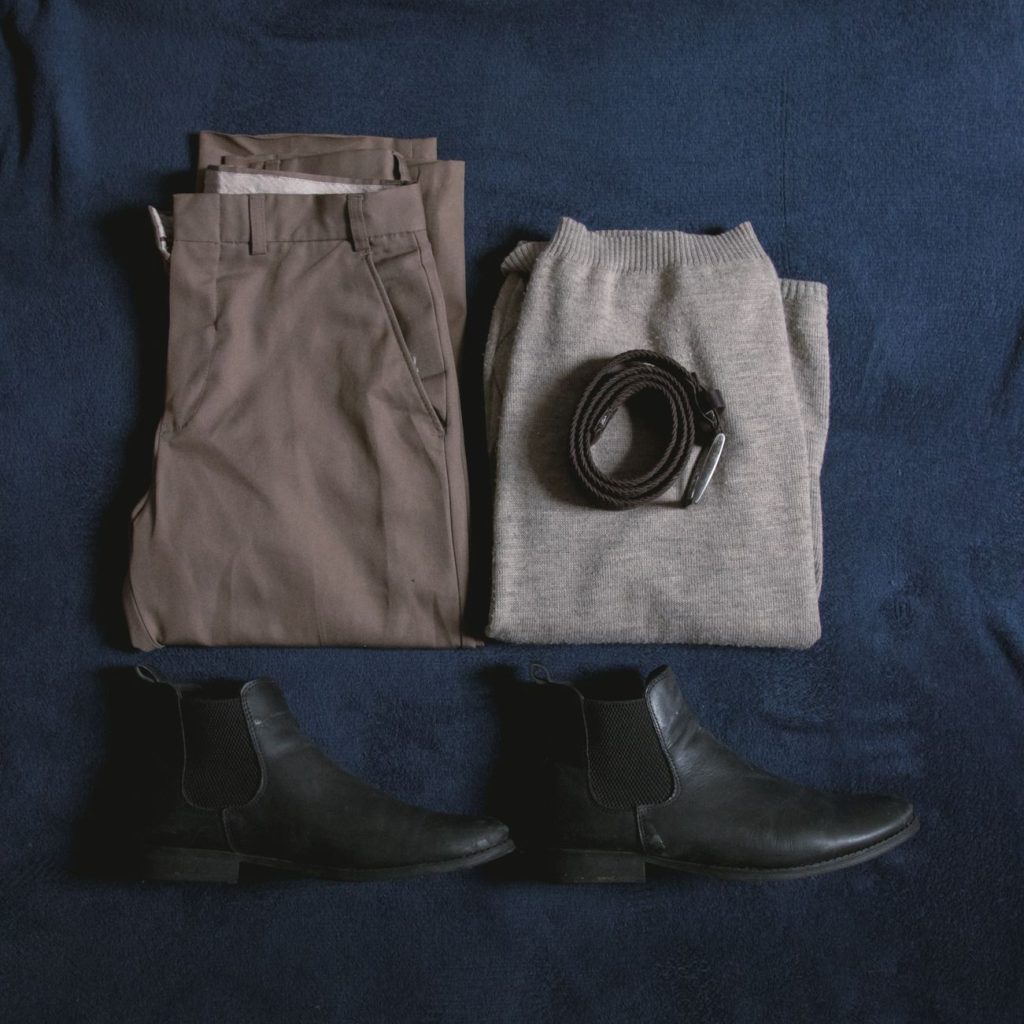
- Neutral turtleneck + black trousers + ankle boots
Understanding Dress Codes
Dressing according to the occasion is vital. Here’s a breakdown of common dress codes and how to interpret them:
Business Casual
A blend of professional and relaxed attire. Suitable pieces include:
- Button-up shirts or blouses
- Chinos or tailored trousers
- Smart shoes
Formal
Reserved for weddings, galas, or formal events. Typically involves:
- Evening gown or cocktail dress for women
- Tuxedo or suit and tie for men
Smart Casual
This balances casual and professional. Styles include:
- Polo shirts or blouses
- Dark jeans or tailored pants
- Dress shoes or smart sneakers
Outdoor or Casual
This is the most relaxed. Consider:
- Comfortable t-shirts or sweatshirts
- Shorts or lightweight pants
- Casual footwear like sandals or sneakers
Seasonal Fashion: Dressing Appropriately for Weather
Adapting your wardrobe to seasonal changes is essential for comfort and style. Here’s how to approach each season:
Spring
Light layering is critical. Focus on:
- Lightweight jackets and cardigans
- Floral patterns and pastel colors
- Comfortable shoes for changeable weather
Summer
Prioritize breathability and comfort. Key pieces include:
- Flowy dresses and shorts
- Lightweight fabrics like cotton and linen
- Sun hats and sunglasses for protection
Autumn
This season calls for warm layers. Consider:
- Knits and long-sleeve tops
- Boots and fall colors like burgundy and olive
- Scarves for both warmth and style
Winter
Dressing warmly is key. Essential items include:
- Thermal layers
- Wool coats and insulated jackets
- Waterproof boots and accessories like gloves and hats
Fashion Trends: Staying Current While Dressing for Yourself
Trends come and go, but choosing which to adopt is personal. Here are some current styles to consider integrating into your wardrobe:
Color Trends
- Bold colors like vibrant greens and deep blues
- Monochromatic outfits for simplicity
Fabric Trends
- Textured materials such as corduroy and velvet
- Sustainable fabrics gaining popularity
Silhouette Trends
- Oversized jackets paired with fitted trousers
- Flowy dresses accompanied by chunky boots
Feeling overwhelmed by trends? It’s best to incorporate just a couple that resonate with you, pairing them with your existing style for a personal touch.
Accessories: The Essential Finishing Touches
Accessories can take an outfit from simple to stylish. Here’s how to use them effectively:
Types of Accessories to Consider
- Jewelry: Choose pieces that reflect your personality, whether minimalist or statement.
- Bags: A good bag can be both functional and chic. Consider size and style as you shop.
- Scarves: Perfect for adding color and texture, and practical for warmth.
- Hats: A versatile accessory that can enhance your outfit while also providing sun protection.
Tips for Accessory Coordination
- Stick to a cohesive color palette for ease of coordination.
- Avoid over-accessorizing; choose one or two focal pieces.
- Consider the occasion when selecting your accessories.
Footwear as Style Statements
Shoes play a significant role in how an outfit is perceived. Here are types of footwear to consider:
Types of Footwear
- Dress shoes: Ideal for formal events. A pair of classic heels or loafers can elevate an outfit.
- Casual sneakers: Perfect for comfort and style, work well for everyday activities.
- Boots: Suitable for multiple seasons, they can add an edge to any look.
Choosing the Right Footwear
- Match your shoe choice to the formality of the outfit.
- Consider comfort, especially if you’ll be on your feet.
- Be aware of color and texture to enhance your overall look.
Color Coordination: Harmonizing Your Outfit
Choosing the right colors can greatly enhance your style. Here are ways to master color coordination:
Basic Color Theory
- Complementary colors are opposite on the color wheel (e.g., blue and orange).
- Analogous colors are next to each other on the wheel (e.g., blue, green, and teal).
- Neutral colors work well with bold shades (e.g., whites, blacks, and grays).
Building a Color Palette
Start with neutral base pieces and add accent colors to refresh your looks:
- Choose no more than three colors for each outfit.
- Incorporate patterns for interest, such as stripes or florals.
Fabric and Garment Care
Understanding fabric types and how to care for them keeps your wardrobe looking sharp.
Common Fabrics and Their Care
| Fabric | Care Instructions |
|---|---|
| Cotton | Machine wash warm; can be tumble dried |
| Wool | Hand wash or dry clean; avoid heat |
| Silk | Dry clean only; gentle handling |
Always check care labels for specifics, as proper maintenance extends the life of your items and helps them retain their shape and color.
Practical Shopping Guides
Knowing how to shop mindfully leads to better wardrobe additions. Here’s how to shop effectively:
Considerations Before Shopping
- Quality over quantity: Invest in fewer, higher-quality pieces.
- Budget: Set a plan, and don’t exceed it.
- Versatility: Choose items that can be styled in different ways.
Where to Shop
- Department stores for a range of styles and price points.
- Thrift stores for sustainable finds.
- Online retailers for convenience and wider selections.
Incorporating these shopping tips into your routine can help build a functional wardrobe that fits your style and lifestyle.
Final Thoughts on Dressing Well
Learning how to dress effectively involves understanding your personal style, balancing occasion and trend, and utilizing your wardrobe essentials thoughtfully. Take the time to explore what you love, prioritize comfort and fit, and don’t be afraid to express your unique sense of fashion.
As you start applying these tips, consider taking a creative approach, mixing different elements, and experimenting with styles. For practical fashion advice tailored to your body type, explore how to dress for your body type and ways to find your style.
Explore more related fashion guides and styling articles to enhance your wardrobe and discover your personal style journey.