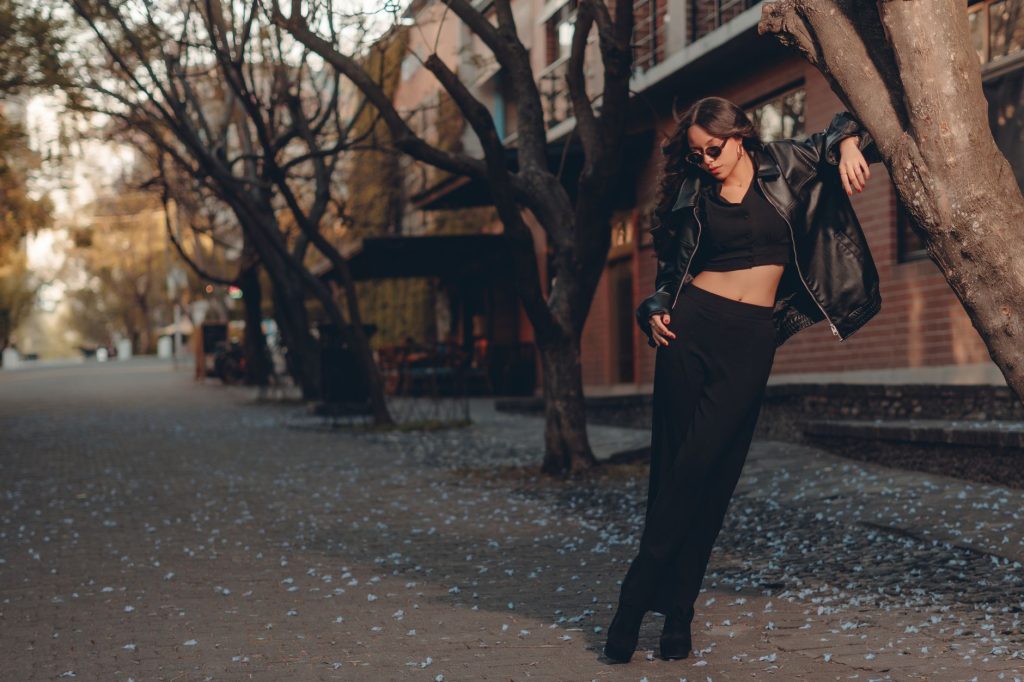
When considering a career in modeling, one of the most frequently asked questions is, “How tall do you have to be to be a model?” While traditional modeling often adheres to specific height guidelines, the evolving fashion landscape is beginning to embrace a wider range of body types and heights, making the industry more inclusive than ever.
Ultimately, the height requirements can vary greatly depending on the type of modeling, the specific role, and the brand’s identity. This article will explore the height norms in different modeling sectors, discuss the attributes that play an even more vital role than height, and provide insights on pursuing a successful modeling career regardless of your stature.
How Tall Do You Have To Be To Be A Model?
In general, high fashion models are expected to be between 5’9″ and 6’0″ for women and 6’0″ to 6’3″ for men. However, commercial modeling is more flexible, with opportunities available for both shorter and taller individuals. Today’s diverse fashion environment celebrates uniqueness, allowing models of various heights to find their niche.
Understanding Modeling Categories
Different categories of modeling come with their own height requirements and expectations. Here, we outline the primary types to help you understand what may fit your physical attributes and aspirations.
High Fashion Modeling
High fashion models typically work for designer labels and participate in runway shows. The height standard is notably strict; female models are generally around 5’9″ to 6’0″, whereas male models range from 6’0″ to 6’3″. These heights are believed to enhance the visual impact of designs during presentations.
Commercial Modeling
Unlike high fashion, commercial modeling is far more inclusive regarding height. This category includes advertisements, catalogs, and online marketing. Models can be shorter and usually range from 5’4″ and up, with an emphasis on relatability and accessibility. Companies want models that resonate with the average consumer.
Plus-Size Modeling
Plus-size modeling has emerged as a vibrant sector within the fashion industry, celebrating body positivity and diversity. Plus-size models range from a size 12 and above and can also be of various heights. Manufacturers and brands now seek models who reflect a more authentic representation of women and men.
Fitness Modeling
Fitness models showcase workouts, activewear, and health products. Height is less of a concern here, with many successful fitness models ranging between 5’5″ to 6’0″. More important are physical attributes, like muscle tone, athleticism, and overall fitness.
Child Modeling
Child models represent a different segment, with height restrictions varying according to age. Children can start modeling as soon as they can walk, and standards evolve as they grow. Height is less crucial than behavior, personality, and the ability to follow instructions during shoots.
Height Versus Other Attributes
While height can have a significant impact in certain areas of modeling, other attributes often play a more critical role in determining success. Here are a few factors that can outweigh height limitations:
- Confidence: A strong presence on camera often leaves a more lasting impression than height alone.
- Unique Features: Distinctive facial features, body shapes, or styles can create a memorable brand identity.
- Personality: Charisma, approachability, and professionalism can greatly influence casting decisions.
- Portfolio: A strong portfolio showcasing versatility and skill can help models be recognized regardless of their height.
Pursuing a Modeling Career at Any Height
For those aspiring to model regardless of height, it’s crucial to take actionable steps to break into the industry. Here are some practical tips on how to pursue a modeling career successfully:
Build Your Portfolio
Your modeling portfolio is a representation of your work and artistry, and it’s non-negotiable in the industry. Focus on curating a collection of high-quality images that showcase versatility, expressions, and a range of looks. Collaborate with photographers, makeup artists, and stylists to create diverse imagery.
Find Representation
Consider seeking an agent or management team specializing in your modeling type. A reputable modeling agency can connect you to casting calls, jobs, and industry insiders. They can also provide valuable guidance about your career path.
Networking
Connect with others in the industry, from photographers to fashion designers. Attend fashion events, workshops, and social media groups to broaden your network and potential opportunities. Establishing relationships within the fashion world can open doors that would otherwise remain closed.
Stay Educated About the Industry
Understanding fashion trends, modeling techniques, and market demands is crucial. Subscribe to industry publications, follow fashion blogs, and watch fashion shows to keep yourself informed and inspired. Continually educating yourself will help you gain a competitive edge.
Keep Fit and Healthy
Regardless of height, maintaining your body with regular exercise and a balanced diet is essential. Models often need to project vitality, so embracing a lifestyle of fitness can enhance your confidence and performance in front of the camera.
Common Misconceptions About Model Height
Several myths persist regarding height and modeling, perpetuating confusion. Addressing these misconceptions can offer clarity and encourage aspiring models to pursue their dreams:
Myth 1: All Models Are Tall
While traditional modeling often gravitates toward taller individuals, commercial modeling, plus-size modeling, and niche markets offer plenty of opportunities for shorter models as well.
Myth 2: A Model’s Worth is Solely Based on Height
As previously mentioned, many additional factors, including experience, uniqueness, and professionalism, play substantial roles in a model’s success. Height is only a single aspect of a complete package.
Myth 3: You Can’t Be a Model If You’re Not a Size Zero
The modeling industry has gradually shifted towards inclusivity, with many brands embracing different body shapes and sizes. This trend offers greater opportunities for those who do not fit into traditional size categories.
Styling Tips for Models
Models need to understand how to style themselves effectively for various occasions. Here are some key styling tips regardless of height:
Understand Your Body Type
Identify your proportions and choose clothing styles that enhance your strengths. For example, hourglass shapes often benefit from fitted garments, while athletic builds may enjoy layered looks with flowing silhouettes.
Master Color Coordination
Learn the basics of color theory to mix and match outfits better. Keep a color wheel handy to understand complementary contrasts and combinations. Staying versatile with color can elevate any look.
Invest in Wardrobe Essentials
Choose classic pieces that can be adapted to various settings. Key wardrobe essentials include fitted blazers, tailored trousers, classic denim, versatile tops, and timeless shoes suitable for both casual and formal occasions.
Accessorize Wisely
Accessories can elevate any outfit, but using them tastefully is key. Opt for a single statement piece per outfit, such as bold earrings or a striking handbag, to avoid overwhelming your look.
Prioritize Fit
Regardless of price tags or labels, ensuring the right fit is paramount. Invest in alterations if necessary to achieve a tailored silhouette that flatters your frame.
Conclusion
Height is just one of many factors influencing a modeling career. While traditional height standards persist, the industry is evolving quickly to embrace various body types and heights. By building a strong portfolio, networking, and cultivating personal style knowledge, aspiring models can thrive in this competitive field.
If you’re interested in learning more about modeling guidelines and height standards, check out our articles on how tall a model should be and the average height for a model. Exploring the full breadth of fashion knowledge can unlock new opportunities and insights for your personal style journey.