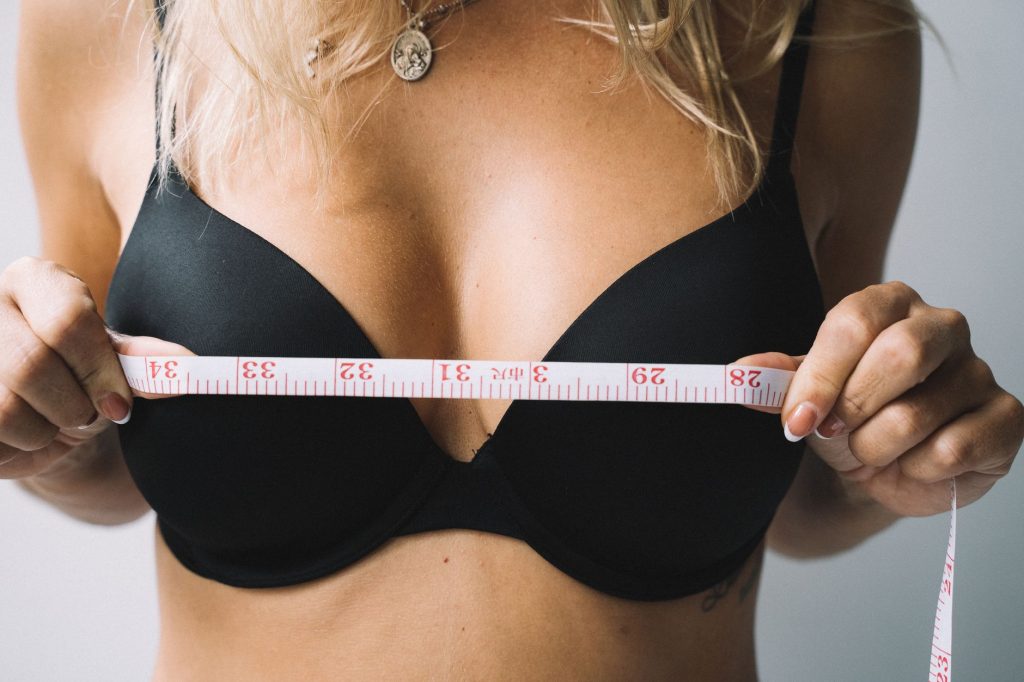
Understanding bra sizing is essential for finding comfortable and flattering lingerie. Knowing how to measure yourself correctly and interpret size labels can make a significant difference in fit, support, and overall confidence. This guide dives deep into the world of bra sizing, breaking down measurements, style variations, and common misconceptions.
With this knowledge, you will have a clearer understanding of how to choose the right bra, how different styles affect sizing, and tips for ensuring a perfect fit. Whether you’re shopping for everyday wear or something special, getting the right size is foundational to a successful bra wardrobe.
How Does Bra Sizing Work?
Bra sizing consists of two main components: the band size and the cup size. To find your size accurately, one must take specific measurements. Typically, band size is the measurement around the ribcage, while cup size measures the fullness of the breast. Together, these figures create a unique size that should guide your bra purchases.
Understanding Band Size
To determine your band size, you will need a measuring tape. Follow these steps:
- Wear a well-fitting, non-padded bra for accurate measurement.
- Measure around your ribcage, just under your bust. Ensure the tape is snug but not too tight, parallel to the ground.
- Round this number to the nearest whole number. If the measurement is an even number, add four inches. If it’s odd, add five inches. This final number is your band size.
Example of Band Size Calculation
If your underbust measurement is 30 inches:
- Add four inches (30 + 4 = 34).
- Your band size is 34.
Understanding Cup Size
Cup size is determined by measuring around the fullest part of your bust. Follow these steps to find your cup size:
- While still wearing that non-padded bra, measure around the fullest part of your bust.
- Make sure the tape is parallel to the ground and snug but not tight.
- Round this measurement to the nearest whole number.
Now, subtract your band size measurement (calculated previously) from this bust measurement. The difference will determine your cup size.
Calculating Cup Size Examples
If your bust measurement is 37 inches and your band size is 34:
- 37 – 34 = 3 inches difference.
- A 3-inch difference corresponds to a cup size of C.
Hence, your bra size would be 34C.
Common Cup Size Designations
Understanding cup sizes can be complex, as they may vary by brand, but generally they follow this scale:
- AA: less than 1 inch difference
- A: 1 inch difference
- B: 2 inches difference
- C: 3 inches difference
- D: 4 inches difference
- DD/E: 5 inches difference
- D3: 6 inches difference
Considering Different Bra Styles and Their Impact on Size
Not all bras are created equal. The style can significantly affect how a bra fits, even if the size is the same. Here are some common types and how they might influence sizing:
1. Underwire Bras
These bras provide additional support through an underwire, which can change how sizing feels. They can help lift and round the bust, offering a different fit than non-underwire styles.
2. Bralettes
Bralettes often come in S, M, L sizing rather than numeric sizing. These styles typically provide less structure, which can lead to a less restrictive fit, often leading to those who prefer comfort gravitating towards this option.
3. Sports Bras
Sports bras may have a tighter fit around the band since they are designed for active movement. It’s advisable to choose your band size accurately but also consider buying one cup size up for comfort during workouts.
4. Push-Up Bras
Push-up bras incorporate padding to enhance the bust. This added volume may influence your comfort with a certain cup size; thus, checking the fit before purchasing is crucial.
Common Fit Issues and Solutions
Even with the right measurements, finding the perfect bra can be a challenge. Here are some common fit issues and how to address them:
1. The Band is Too Tight
Your band should be snug but not digging into your skin. If it feels tight, consider increasing your band size by one size.
2. The Cups Overflowing
If your breasts spill over the top of the cup, it’s a sign that you need a larger cup size. Test this by lifting your arms; the cups should remain full without overflow.
3. Gaping Cups
Gaping in the cups often indicates an incorrect size. You may need a smaller cup size or a style that is better suited to your breast shape.
4. The Center Gore Doesn’t Lay Flat
The center gore should sit flat against your chest. If it doesn’t, consider moving to a larger band size or trying a different style.
Tips for a Successful Bra Fitting
When shopping for bras, consider these practical tips for a more satisfying experience:
- Try on multiple sizes and styles. You may be surprised that your typical size may not always be the best fit.
- Adjust the straps. Most bras feature adjustable straps that can improve fit, so take a moment to ensure they are set correctly.
- Shop later in the day. Your body may change slightly in size throughout the day, so a fitting later can yield a more accurate size.
- Don’t rush the process. Spend time trying on various styles — get a feel for each one over some time to gauge for comfort.
Understanding Bra Labels
Bra labels can be incredibly confusing since sizes can differ between brands. Some labels even include additional letters or numbers (like 34B/75B) to indicate sizing variations. Understanding these labels will help you navigate different brands’ offerings with confidence.
In addition to sizing, check for labels indicating the materials, as some fabrics provide more stretch and comfort than others. Also, pay attention to care instructions; special fabrics may require gentler washing methods.
Seasonal Considerations for Bra Shopping
Seasonality can play a role in choosing the right bra. For example, summer months may require lighter materials, while winter layering can allow for thicker styles. Here are specific tips for each season:
Spring/Summer
- Opt for breathable materials like cotton or moisture-wicking fabrics.
- Consider wireless styles for maximum comfort during warmer days.
Fall/Winter
- Choose bras that offer more coverage for added warmth.
- Look for styles that can be layered under various clothing options, including heavier sweaters.
Wardrobe Essentials: The Right Bras
Every wardrobe needs a selection of bras that cater to various occasions. Here are a few essential styles you may want to have on hand:
- A basic t-shirt bra for everyday wear. Look for seamless options that lay flat under clothing.
- A strapless bra, perfect for dresses or tops without shoulder straps.
- A sports bra for active days, providing support during workouts.
- A lacy bra for a special occasion that adds a touch of femininity.
Care and Maintenance of Bras
Taking care of your bras will ensure they last longer and maintain their shape. Here are some tips for proper bra care:
- Hand wash whenever possible. Use cold water and mild detergent, allowing them to air dry flat.
- If machine washing, place your bras inside a lingerie bag to prevent them from snagging.
- Rotate your bras. Avoid wearing the same bra daily to extend the life of each style.
Shopping for Bras: Brands and Budgeting
Different brands may cater to different audiences, so knowing where to shop can save time and frustration. Many brands offer a extended size range, while others focus on specific styles or materials. Set a budget that works for you, keeping in mind quality and fit over just the price tag.
Some popular brands you may want to explore are:
- Victoria’s Secret for a wide range of styles.
- ThirdLove for diverse sizing options and comfortable bras.
- Spanx for shapewear and bras offering additional support.
- Aerie for stylish options that cater to a younger market.
Embracing Your Size and Finding Confidence
Ultimately, finding your perfect bra size is about embracing your body and understanding that sizing is not universal. Every brand has its fit quirks, and that’s perfectly okay. It’s essential to appreciate your unique shape and size, allowing that confidence to shine through your style choices.
Remember that there is no one-size-fits-all approach to bra sizing, and it’s perfectly normal to wear different sizes in various styles. Celebrate your body and the wonderful variety available in lingerie today.
For a comprehensive method to determine your bra size, you can refer to our guide on how to figure out your bra size here. If you are curious about the available sizes and their range, check out our article on the largest bra sizes available.