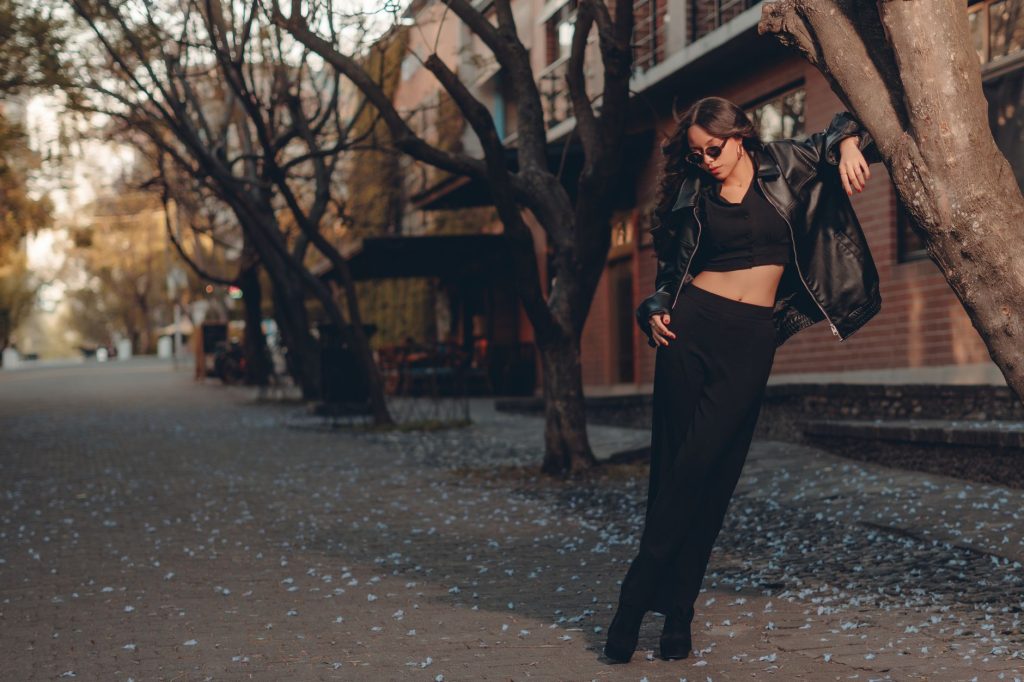
Starting a modeling career at 16 can be an exciting journey filled with opportunities for self-expression, confidence building, and creativity. For many young individuals, modeling offers a chance to explore personal style while connecting with diverse fashion worlds. Here’s a comprehensive guide on how to navigate this vibrant industry, from developing your look to seeking opportunities.
This article will provide practical steps, styling tips, and essential advice tailored to aspiring models eager to make their mark in the fashion sphere. Whether you dream of working on the runway or in editorial shoots, understanding the basics of modeling at a young age is the first step toward achieving your goals.
How Do You Start Modeling At 16?
To start modeling at 16, focus on developing your skills, building a portfolio, and finding reputable agencies. Begin with self-discovery regarding your personal style, gather essential wardrobe pieces, and practice modeling techniques. Networking and perseverance are key in this competitive field.
Understanding Different Types of Modeling
Before you dive into modeling, it’s important to understand the different types available. Each type caters to various skills and styles.
- Fashion Modeling: This includes runway and editorial shoots, often requiring a specific look and height.
- Commercial Modeling: Involves modeling for advertisements and promotions where personality and relatability matter more than height.
- Plus-Size Modeling: Celebrates body diversity, offering opportunities for those who don’t fit traditional sizes.
- Fitness Modeling: Focuses on athletic models in sports wear and fitness-related campaigns.
- Print Modeling: Encompasses magazine covers, catalogs, or lookbooks where your image appears in print.
Self-Discovery: Defining Your Personal Style
Understanding your personal style is foundational before stepping into modeling. It not only helps establish your unique presence but also guides how you build your wardrobe and approach photo shoots.
- Experiment: Explore various styles to see what resonates with you. Try trendy, classic, boho, or urban looks.
- Inspiration: Follow fashion icons, browse social media platforms like Instagram and TikTok, and create a mood board of visuals that appeal to you.
- Comfort: Choose clothing that reflects your personality and makes you feel comfortable and confident.
Building an Impressive Portfolio
Your modeling portfolio acts as a visual resume showcasing your versatility, skills, and personal style. Here’s how to build a standout portfolio:
- Start With Basic Shots: Collaborate with photographers to get a variety of images, including headshots, full-body shots, and styled looks that capture your best angles.
- Diverse Looks: Include images of yourself in various outfits and settings—casual, formal, editorial styles, etc.
- Professionalism: Always be punctual, prepared, and open to direction to foster good relationships with photographers and stylists.
Tips for Photoshoots
Here are some useful tips to keep in mind during your photoshoots:
- Practice your poses in front of a mirror to find your best angles.
- Experiment with facial expressions—try smiling, serious looks, and everything in between.
- Communicate openly with photographers; do not hesitate to ask for guidance.
Finding a Modeling Agency
Securing representation from a reputable modeling agency can help launch your career. Here are steps to consider:
- Research Agencies: Look for agencies that represent models who align with your style and type.
- Submission Guidelines: Follow their contact procedures carefully, which often require a portfolio or digitals (simple photos in natural lighting).
- Consistent Follow-up: Be polite and professional in your follow-ups after submitting your materials.
What to Avoid When Choosing an Agency
When searching for an agency, be mindful of the following:
- Avoid agencies that require upfront fees or don’t have a well-established reputation.
- Steer clear of agencies that promise unrealistic opportunities or use high-pressure tactics.
- Be cautious of agencies that focus solely on publicity rather than your career development.
Wardrobe Essentials for Aspiring Models
Having a versatile wardrobe is crucial for modeling gigs. Here’s a guide on essential pieces to include:
- Basic Tops: Solid-colored tees, tanks, and blouses that you can layer or style for various looks.
- Classic Bottoms: Fitted jeans, tailored trousers, and a simple skirt are essential. Choose options that flatter your figure.
- Outerwear: A tailored blazer and a well-fitted jacket can elevate casual looks.
- Shoes: A selection of heels (different heights), ankle boots, and flats to cover different occasions.
- Accessories: Statement jewelry and essential basics like belts and bags to complete your outfits.
Seasonal Wardrobe Considerations
As seasons change, so should your wardrobe. Here are seasonal essentials:
- Spring/Summer: Flowing dresses, light layers, and breathable fabrics like cotton or linen.
- Autumn/Winter: Layer with textures like wool and leather, including scarves and stylish outerwear.
Styling Your Outfits Effectively
To make an impact, it’s vital to style your outfits to highlight your personality while ensuring that they are appropriate for the modeling jobs you aspire to. Here’s how to style effectively:
- Mix and Match: Create different looks by mixing tops and bottoms. A classic white tee can pair with a skirt for a shoot but can also look casual with jeans.
- Layering: Use layers to add depth to your outfits—this can create interesting silhouettes.
- Tailoring: Invest in tailoring to ensure your clothes fit perfectly. Ill-fitting clothes can significantly affect your look.
Common Mistakes to Avoid When Styling
- Forgetting the importance of fit; always ensure clothes flatter your body type.
- Over-accessorizing; keep accessories simple to maintain focus on your outfit.
- Neglecting color coordination—always consider how colors work together for a harmonious look.
Health and Fitness for Modeling
Staying fit and healthy is crucial for a successful modeling career. Here’s how to maintain a balanced lifestyle:
- Balanced Diet: Eating a variety of nutrient-rich foods fuels your body for modeling activities.
- Regular Exercise: Mix cardio with strength training; consider activities like yoga for flexibility and core strength.
- Self-Care: Focus on mental well-being by practicing stress management techniques such as mindfulness or meditation.
Networking and Building Connections
Networking within the industry is essential for aspiring models. Here are ways to create valuable connections:
- Attend Fashion Events: Making appearances at local fashion shows or events can help you meet industry professionals.
- Social Media: Utilize platforms like Instagram or TikTok to showcase your modeling skills and connect with other models, photographers, and brands.
- Join Modeling Classes: Enroll in workshops or classes that provide opportunities to meet fellow models and industry experts.
Understanding Modeling Contracts
As you advance in your modeling career, understanding contracts becomes crucial. Here are some basics:
- Read Thoroughly: Always read the fine print to understand your commitments and rights.
- Term Length: Know how long the contract is valid and the conditions for renewal or termination.
- Fees and Payments: Understand how you’ll be compensated and any additional expenses covered.
What to Do If You’re Unsure About a Contract
If you are uncertain about any terms, seek advice from an adult or a legal expert to help you interpret the contract.
Sustainable Fashion in Modeling
Modern modeling increasingly embraces sustainability. Here are some ways you can incorporate this into your journey:
- Support Ethical Brands: Choose to collaborate with brands that prioritize sustainability, fair labor practices, and eco-friendly materials.
- Opt for Second-Hand: Thrift shopping for unique pieces reduces waste and can help you create a distinct style.
- Awareness: Advocate for sustainability in fashion through your platform, raising awareness about the environmental impacts of the industry.
Practicing Patience and Resilience
Modeling, like any creative field, can be challenging. Here are some tips to cultivate resilience and stay motivated:
- Stay Positive: Rejections are part of the industry; maintain a positive attitude and learn from experiences.
- Set Goals: Short-term and long-term goals can help you focus your efforts and measure progress.
- Seek Feedback: Constructive criticism from mentors or peers can provide valuable insights for improvement.
Conclusion
Starting a modeling career at 16 requires preparation, strategic thinking, and an understanding of personal style. By building a strong portfolio, finding representation, and embracing a healthy lifestyle, you can set a solid foundation for your modeling career. Focus on networking, staying engaged with industry trends, and actively pursuing opportunities to keep the momentum going.
For further guidance, explore articles on what to wear for professional headshots and tips on homecoming outfits.