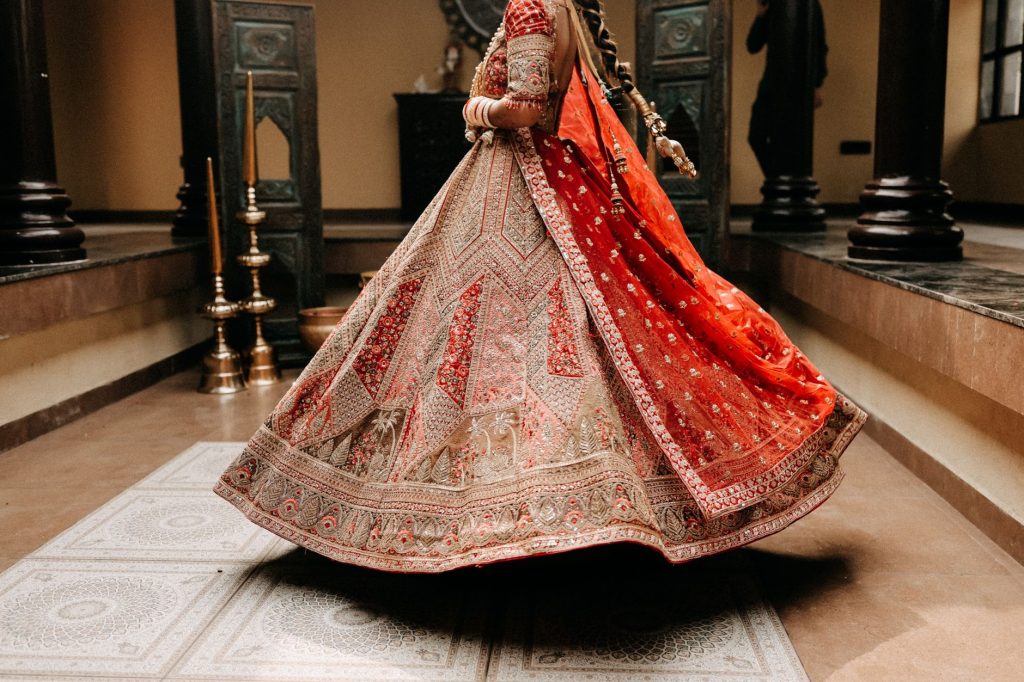
The sari is a traditional garment that holds a significant place in South Asian culture, primarily worn by women in India, Bangladesh, Nepal, and Sri Lanka. This elegant piece of clothing typically consists of a long piece of fabric, ranging from five to nine yards, which is draped over the body in various styles, showcasing versatility and grace.
Embodied in countless colors, patterns, and fabrics, the sari has transcended mere clothing to become a symbol of cultural identity and personal expression. With its history dating back thousands of years, the sari not only reflects the rich heritage of the region but also serves as a canvas for modern fashion interpretations.
What Is A Sari?
A sari is a long strip of cloth, usually measuring between five to nine yards, draped elegantly around the body, typically accompanied by a blouse (choli) and a petticoat. The fabric of a sari can vary widely, ranging from luxurious silk and cotton to contemporary blends, ensuring suitability for casual wear, formal occasions, and everything in between.
Its origins can be traced back to ancient India, with references appearing in sculptures and texts. Traditionally, sari draping styles differ from region to region, each with distinct customs and techniques, further enriching the garment’s appeal.
Popular Fabrics Used in Saris
The choice of fabric plays an essential role in both the style and comfort of a sari. Here are some commonly used materials:
- Silk: Luxurious and lustrous, silk is often used for formal occasions, with varieties like Banarasi, Kanchipuram, and Tussar offering unique textures and patterns.
- Cotton: Ideal for everyday wear, cotton saris are breathable and comfortable. They are often adorned with traditional block prints and vibrant colors.
- Georgette: Lightweight and flowy, georgette saris drape beautifully, making them a popular choice for evening wear and parties.
- chiffon: Another lightweight option, chiffon is sheer and often layered, lending an ethereal quality to the outfit.
- Crepe: Soft and slightly crinkly, crepe saris are easy to maintain and versatile, suitable for both casual and formal settings.
Styling a Sari
Styling a sari opens up numerous possibilities for creativity and experimentation. Here are some essential tips to help you wear a sari confidently and stylishly:
Choosing the Right Draping Style
How you drape a sari significantly influences your overall look. Here are a few popular styles:
- Nivi drape: The most common style across India, where the pleats are tucked in at the waist and the pallu is draped over the shoulder.
- Bengali drape: Characterized by a unique draping of the pallu that falls over the shoulder and may have intricate embellishments.
- Gujarati drape: This style features the pallu brought from behind and draped over the shoulder, allowing for a more embellished look.
- Marathi drape: This style involves a traditional tuck at the waist and is ideal for showcasing a colorful petticoat.
Outfit Ideas for Different Occasions
With its adaptability, the sari can be tailored to suit various occasions:
- Casual Day Out: Opt for a cotton sari in a light color with minimal embellishments. Pair with simple accessories and flat sandals for comfort.
- Office Wear: Choose a lightweight fabric with subtle patterns. A well-fitted blouse and moderate jewelry will create a polished look.
- Festivals and Weddings: Go for a silk sari detailed with rich embroideries and embellishments. Complement with statement jewelry and high heels.
- Evening Events: A georgette or chiffon sari in dark, rich colors can look stunning for parties or formal gatherings. Pair with bold makeup and elegant accessories.
Accessorizing Your Sari
The right accessories can enhance your sari ensemble significantly. Consider the following:
- Jewelry: Depending on the occasion, opt for heavy traditional pieces like Kundan or Polki jewelry for weddings or understated pieces for casual events.
- Bags: Choose a clutch or potli bag that complements the colors of your sari. Embellished bags work well for formal settings.
- Shoes: The choice of footwear is crucial. Opt for traditional juttis or chic heels that match the overall tone of your outfit.
- Hair: Experiment with different hairstyles, from loose waves to intricate updos that can compliment the drape of your sari.
Color Coordination and Patterns
Understanding color and pattern coordination can elevate your sari styling. Consider the following tips:
Understanding Color Theory
Colors evoke emotions and can influence the overall vibe of your outfit:
- Warm Colors: Reds, oranges, and yellows evoke energy and warmth, perfect for celebratory events.
- Cool Colors: Blues, greens, and purples can create a serene look, suitable for evening gatherings.
- Neutrals: Whites, blacks, and grays are versatile and can be embellished with vibrant accessories.
Combining Patterns
Layering patterns can add depth to your styling:
- Mix linear patterns with floral prints for an eye-catching effect.
- When in doubt, layer a solid-color blouse with a patterned sari for a balanced look.
Seasonal Wearing of Saris
Choosing the right fabric and style according to the weather can enhance comfort:
Summer Styles
In hotter climates, opt for lightweight cotton or chiffon saris. Lighter colors and simple draping styles can help keep you cool.
Winter Styles
For colder months, silk and heavier fabrics provide warmth and elegance. Layer with a shawl or jacket for added comfort.
Wardrobe Essentials: Capsule Wardrobe with Saris
A capsule wardrobe centered around saris can greatly simplify dressing choices. Here are recommended essentials:
- Basic SARIs: Invest in a classic white/cream cotton sari and a black silk sari that can transition between formal and casual settings.
- Cholis: Ensure you have versatile blouses in neutral colors to mix and match with different saris.
- Petticoats: A few well-fitted petticoats in neutral shades can serve multiple saris.
- Accessories: Curate a selection of jewelry that can be paired with various sarees. Consider both traditional and contemporary options.
Care and Maintenance of Saris
- Washing: Always check the care label before proceeding. Hand wash delicate fabrics and avoid wringing.
- Storage: Store saris in cotton bags away from direct sunlight. Use acid-free tissue paper to prevent creasing.
- Ironing: Use a low-temperature setting for delicate fabrics and avoid iron on embellishments.
Sustainable Fashion Considerations
Sustainable fashion is increasingly important. Here are ways to incorporate sustainability while wearing a sari:
- Buy Ethically: Choose brands that focus on fair trade and environmentally friendly practices.
- Traditional Techniques: Support artisans who practice traditional methods of weaving and dyeing, contributing to the preservation of their crafts.
- Second-Hand Options: Consider shopping for vintage or pre-owned saris, which can offer unique styles while being more sustainable.
Sari Shopping Guide
When shopping for a sari, keep these points in mind to make an informed decision:
- Research: Familiarize yourself with various fabrics and regional styles before purchasing.
- Try Before You Buy: Whenever possible, try on saris to ensure comfort in fit and drape.
- Check for Authenticity: If buying handcrafted saris, ensure the authenticity of the materials and craftsmanship.
- Price Points: Be aware of price variation based on fabric, design, and craftsmanship. Don’t shy away from investing in quality, but also look for budget-friendly options.
Conclusion
The sari is not just an outfit; it’s an expression of culture, beauty, and personal style. With its versatility, it can suit various occasions and seasons, allowing for endless creativity in styling. Embracing this beautiful garment can enhance one’s wardrobe and offer a sophisticated touch.
Take the next step in expanding your fashion knowledge with our guides: learn more about the kimono and discover what a sarong is. Explore these resources to further enhance your understanding of global fashion styles.