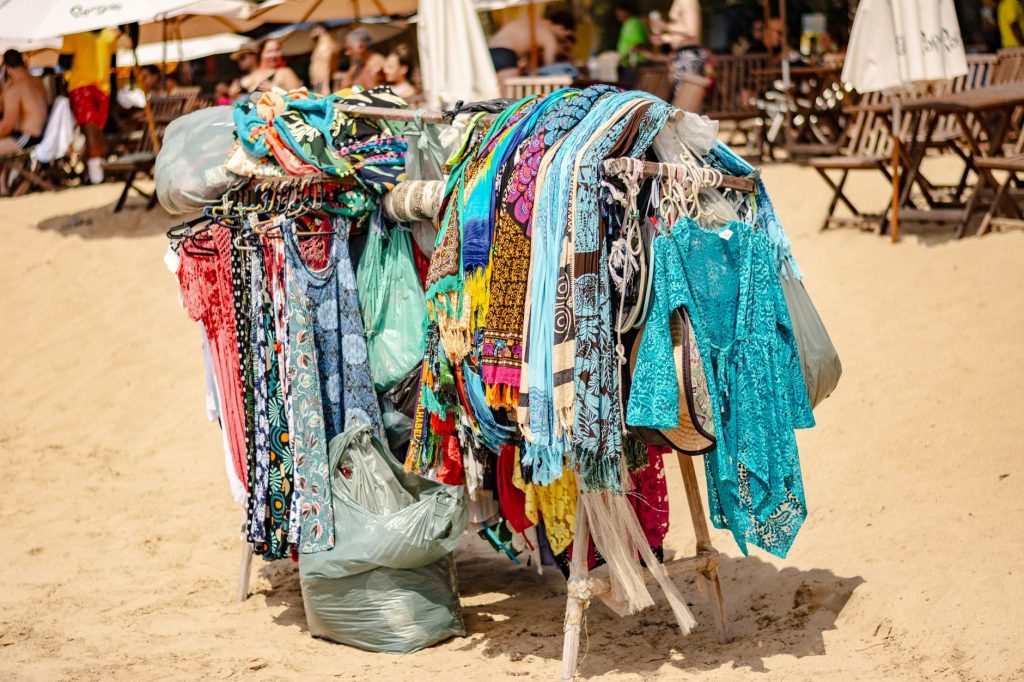
The sarong is a versatile piece of clothing that has transcended cultures and time, serving multiple purposes ranging from functional beachwear to chic fashion statement. Traditionally, it is a large fabric wrap that can be draped, knotted, or tied around the body. Available in an impressive array of colors and patterns, sarongs have become a favorite in warm-weather wardrobes around the globe.
Originating from various cultures, including Southeast Asia and the Pacific Islands, the sarong’s adaptability makes it a staple for many. This article delves into the various aspects of sarongs, including styling advice, outfit ideas, and care tips to enhance your personal style.
What Is A Sarong?
A sarong is a rectangular piece of fabric traditionally wrapped around the waist, often used as a skirt or dress. It can be made from a variety of materials, including cotton, rayon, or silk, and is most popular in tropical climates due to its lightweight and breathable quality.
Styling Your Sarong: Outfit Ideas
One of the greatest advantages of a sarong is its versatility. Here are a few outfit ideas to inspire your styling:
Beach Day Vibes
- Pair a vibrant floral sarong with a simple white bikini. The sarong can be tied at the waist, offering coverage while providing easy access for dips in the water.
- Add a wide-brimmed straw hat and oversized sunglasses for a chic beach look.
- Wear flat sandals for a comfortable and effortless vibe.
Casual Day Out
- Opt for a patterned sarong worn as a skirt with a fitted tank top. Knot the sarong at the side for a casual look.
- Add a denim jacket for cooler weather, ideal for beachside cafés or shopping trips.
- Complete the look with white sneakers or espadrilles for a summery touch.
Evening Elegance
- Style a sarong as a dress by tying it around the bust and securing it with a twisted knot. Choose a solid, luxe fabric like silk for an elegant effect.
- Add statement earrings and a clutch to elevate the look.
- Pair it with heeled sandals to complete your evening ensemble.
Seasonal Styling Tips
While sarongs are perfect for summer, they can be styled year-round with clever layering.
Summer
- Stick to lightweight fabrics and bright colors to reflect the spirit of the season.
- Incorporate fun prints like tropical motifs or stripes for a playful look.
Fall
- Layer a sarong over a fitted long-sleeve top and pair with ankle boots.
- Choose deeper hues like burgundy or mustard to harmonize with autumn colors.
Winter
- Use a thicker fabric sarong as a wrap. Drape it over a cozy sweater and skinny jeans for warmth.
- Consider a monochromatic color scheme, adding a pop of color with accessories.
Spring
- Mix pastel shades or floral prints with light-weight cardigans for a fresh look.
- Accessorize with delicate jewelry and wedge sandals for a lovely spring feel.
Creating a Capsule Wardrobe with Sarongs
Building a capsule wardrobe with a sarong can be both practical and stylish. A few essential pieces can easily transcend seasons and occasions.
Wardrobe Essentials
- 1-2 Sarongs in neutral and vibrant colors to fit various occasions.
- A selection of basic tops (tank tops, tees) to mix and match.
- A pair of versatile shoes (flats, espadrilles, or wedges).
- A lightweight jacket or cardigan for layering.
This selection allows for countless outfit combinations, ensuring that you can create a polished look with minimal effort. Aim for fabrics that coordinate well together in terms of both color and texture.
Choosing the Right Sarong: Fabric and Fit
When selecting a sarong, the fabric, fit, and length are essential considerations.
Fabric Types
- Cotton: Lightweight and breathable, cotton sarongs are perfect for hot weather.
- Rayon: Drapes beautifully and offers a fluid silhouette, ideal for evening wear.
- Silk: Luxurious and elegant, silk sarongs are great for special occasions.
Fit and Length
- A sarong’s length can vary from knee-length to ankle-length, and personal preference matters when deciding what looks best.
- Ensure the width allows you to wrap or tie it comfortably without restriction.
- Consider your body shape and what style enhances your curves or offers a balanced silhouette.
Color Coordination with Sarongs
Choosing the right colors to wear with your sarong can make or break your outfit.
Analyzing Colors
- For printed sarongs, opt for solid colors that complement the predominant hues in the print.
- When wearing a solid sarong, consider accessories or tops that incorporate contrasting tones for visual interest.
- Stick to a color palette that suits your skin tone; warm tones for warmer skin tones and cool tones for cooler skin tones.
Sarong Accessories and Footwear
The right accessories and footwear can enhance your sarong look significantly.
Accessories
- Add statement earrings or layered necklaces to draw attention.
- A large tote or crossbody bag can keep your essentials handy.
- Consider wearing a belt to define your waist when wrapping a sarong as a dress or skirt.
Footwear Options
- Flat sandals are ideal for a casual beach look, while wedges or block heels can give a more put-together effect.
- When opting for an evening look, consider stylish mules or ankle-strap heels.
Cleaning and Care for Your Sarong
Proper maintenance extends the lifespan of your sarong and keeps it looking fresh.
General Care Tips
- Always check the care label before washing. Most sarongs can be hand-washed in cold water with a mild detergent.
- Avoid bleach to prevent damage to colors and fabrics.
- Air-dry your sarong by hanging it, as direct heat can distort the fabric’s shape.
Sustainable Fashion: Eco-Friendly Sarong Options
The fashion industry is increasingly focusing on sustainability. When selecting a sarong, consider eco-friendly options.
- Look for sarongs made from organic cotton or other sustainable materials.
- Seek brands focusing on ethical practices and fair labor in their production processes.
- Supporting local artisans and small businesses could help promote sustainable fashion.
Trends in Sarong Fashion
The sarong continues to evolve as a fashionable item. Here are some trends to watch out for:
- Mixing prints and colors has become popular, leading to unique and personalized looks.
- Sarongs being worn as dresses or capes over swimwear are on the rise, offering versatility.
- High-low hemlines and asymmetric cuts are becoming common, adding a modern edge to traditional sarongs.
Discovering Sarong Brands and Designers
Many brands and designers have embraced the sarong, offering quality pieces to suit various styles and budgets.
- Explore local beachwear brands that often carry unique prints and quality fabrics.
- Look for established designers creating elevated sarongs suitable for both beach and evening wear.
Common Styling Mistakes to Avoid
Styling a sarong can sometimes lead to common pitfalls. Keep these in mind:
- Be cautious of overwhelming patterns; balance is key.
- Avoid overly tight knots that can restrict movement.
- Make sure the sarong does not drag on the ground, which can lead to a messy look.
Conclusion: The Endless Possibilities of the Sarong
The sarong is a highly versatile garment that can be styled in countless ways. With ample variations for different occasions and seasons, it serves as a functional and fashionable addition to any wardrobe. By incorporating the styling tips and outfit ideas outlined in this article, you can embrace the beauty and adaptability of the sarong to elevate your personal style.
Explore related fashion guides and styling articles, including what is a sarong and the versatility of pashminas in your wardrobe.