High fashion models embody the epitome of style, sophistication, and the artistic vision of the fashion world. These individuals work primarily with luxury brands and high-end designers, showcasing elaborate garments in a way that captures the essence of contemporary fashion. Their role extends beyond mere appearance, as they influence trends and contribute to the overall aesthetic narrative of the fashion industry.
Understanding the role and significance of a high fashion model involves exploring various aspects, from modeling types to the relationships with brands and designers. This article delves into the world of high fashion modeling, offering detailed insights into the profession, including the necessary skills, career paths, and styling tips that resonate with the high-fashion ethos.
What Is A High Fashion Model?
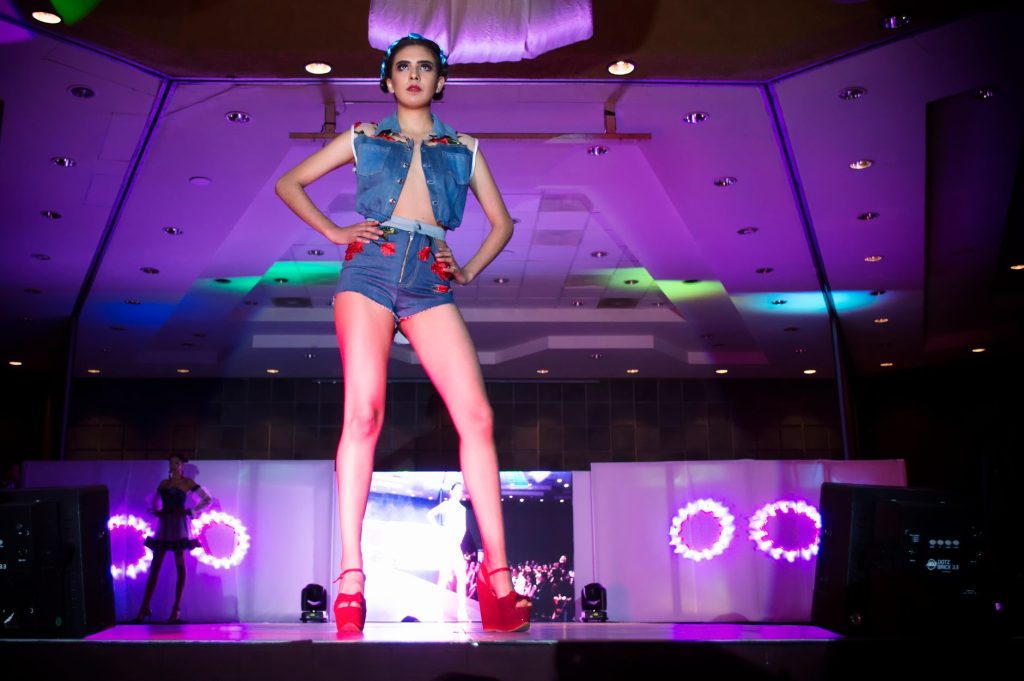
A high fashion model is a professional who works for top designers and luxury brands, often seen on runways at prestigious fashion shows and in editorial spreads for acclaimed fashion magazines. These models are known for their distinctive looks, which often adhere to the unconventional standards of beauty set by the fashion industry.
Their primary tasks include walking on runways, participating in photoshoots, and sometimes taking part in advertisements and campaigns. High fashion models are crucial in conveying a designer’s vision, interpreting fashion trends, and embodying the brand’s identity.
The Characteristics of High Fashion Models
High fashion models are distinguished by several characteristics, which set them apart from other types of models. These key traits include:
- Height and Proportions: Generally, high fashion models are taller than average, often ranging from 5’9″ to 6’1.” Their proportions typically align with the industry’s standards, emphasizing elongated limbs and slender frames.
- Unique Facial Features: High fashion models are often recognized for their striking and unique facial features, which can range from angular jawlines to distinctive eye shapes. This individuality enhances their ability to represent diverse fashion aesthetics.
- Versatility: The ability to adapt to various styles, from contemporary to avant-garde, is essential. High fashion models must convincingly embody different looks, allowing designers to showcase their collections to their fullest potential.
- Professionalism: Stamina, punctuality, and the ability to execute instructions quickly are critical. Being able to handle the high-stakes environment of fashion shows and photoshoots requires a deep commitment to professionalism.
The Role of High Fashion Models in the Industry
The contribution of high fashion models to the fashion industry goes beyond aesthetics. Their roles can be categorized into several key areas:
1. Influencing Trends
High fashion models have a powerful impact on what becomes trendy. Their appearance on the runway or in editorial shoots often sets the stage for upcoming styles, colors, and silhouettes. Designers look to models to present their vision, and this presentation can dictate mainstream fashion trends.
2. Bridging Design to Consumer
High fashion models serve as a bridge between high-end fashion and the consumer market. When they wear a designer’s creation, they provide a visual interpretation of the garment, allowing potential customers to envision how it might look in real life.
3. Brand Ambassadors
In many cases, high fashion models become the face of a brand, embodying its style and ethos. Their persona, combined with the designer’s creations, establishes a powerful narrative that can greatly influence purchasing behavior.
4. Artistic Expression
The role of a high fashion model also encompasses artistic expression. They participate in shoots that often push creative boundaries, allowing for innovative imagery that elevates art and fashion. This creative involvement sets the tone for artistic collaboration within the industry.
How to Become a High Fashion Model
For those interested in pursuing a career as a high fashion model, there are a few fundamental steps to consider:
- Build a Strong Portfolio: A professional portfolio showcasing a range of styles and looks is essential. This should include photographs taken by various photographers and ideally picture your versatility.
- Find a Reputable Agency: Connecting with a modeling agency that specializes in high fashion can be a significant step. Look for agencies that align with your values and aesthetics, as this partnership can influence your career trajectory.
- Network in the Fashion Industry: Building connections with designers, photographers, and other models can open doors. Attend fashion events, castings, and shows to immerse yourself in the industry.
- Develop Professional Skills: High fashion modeling requires skills such as walking on the runway, posing for photos, and understanding how to convey emotions through body language. Taking classes or workshops can be advantageous.
The Importance of Fit and Proportion
In high fashion, the fit of garments is exceptionally important. Designers create clothes based on specific body measurements, which often means high fashion models are expected to adhere closely to these sizes. Here are some considerations regarding fit and proportions:
- Tailoring: Gifted high fashion models often have clothing tailored to fit them perfectly. This ensures that every aspect of a garment looks its best under the spotlight.
- Understanding Body Shapes: High fashion models must be aware of their body shapes and how different styles flatter or detract from their natural silhouettes. This self-awareness allows for better presentation on the runway or in photoshoots.
Wardrobe Essentials for High Fashion Modeling
Models often curate a wardrobe that reflects both high fashion and personal style. Here are key wardrobe essentials that help maintain versatility across different looks and settings:
- Classic Black Blazer: A well-fitted black blazer is a staple that can be dressed up or down. It can transform a casual look into something polished.
- High-Quality Denim: A pair of well-fitting jeans suitable for various occasions provides a solid foundation for both casual and smart-casual outfits.
- Timeless White Button-up Shirt: This versatile piece can be styled in many ways, from casual to business formal.
- Statement Accessories: Bold accessories, like oversized earrings or a unique handbag, can enhance even the simplest outfit, aligning with high fashion trends.
- Classic Footwear: A selection of high-quality shoes, including strappy heels, versatile flats, and stylish ankle boots, provides a finishing touch to any look.
Styling Tips for the High Fashion Look
To embody a high fashion aesthetic, consider the following styling tips:
- Layering: Experiment with layers to create depth in your outfit. This can involve mixing textures, such as pairing a wool coat with a silk shirt.
- Color Coordination: Use color blocking or monochromatic looks to create striking visual impacts. A well-coordinated palette can elevate an entire ensemble.
- Texture Play: Combine different fabrics for a contrast that adds intrigue. For instance, pairing matte with shiny finishes enhances visual interest.
- Accessorizing Wisely: Accessories should complement the outfit without overpowering it. Choose one or two standout pieces to make a statement.
- Tailor for Fit: Investing in a tailor can make a significant difference. Customized pieces fit better and exude an air of sophistication.
Photography and Presentation Skills
For high fashion models, the ability to work well in front of the camera is crucial. Here are some skills to develop:
- Posing: Practice different poses to understand how your body looks in various positions. Developing a range allows you to adapt to different shooting styles.
- Understanding Angles: Knowing your best angles can help you create more flattering images. Experiment with different angles and lighting to learn what works.
- Transmitting Emotion: High fashion modeling is often about storytelling. Being able to convey emotion through facial expressions and body language is important for impactful imagery.
Sustainable Fashion and High Fashion Models
The shift toward sustainability in fashion is increasingly influencing high fashion modeling. Models are now being viewed as advocates for responsible practices and ethical fashion. By promoting sustainable brands, high fashion models play a role in shaping a more conscientious industry.
Here are some ways models can engage with sustainable fashion:
- Promoting Eco-friendly Brands: Models can choose to work with designers who prioritize sustainability in their collections.
- Modeling for Ethical Causes: Participating in campaigns that raise awareness about environmental impact can align personal brand values with broader movements.
- Advocating for Slow Fashion: Models can encourage consumers to invest in quality garments with longevity rather than fast-changing trends, promoting a conscious shopping mindset.
The Future of High Fashion Modeling
The landscape of high fashion modeling continues to evolve, driven by social media, diversity, and inclusivity. This shift opens doors for misunderstood talent and breaks traditional barriers. Here are some potential trends for the future:
- Diversity in Representation: The push for diverse representation on runways and in campaigns is reshaping the industry to be more inclusive of body types, ethnicities, and genders.
- Digital Modeling: Virtual fashion shows and digital models are gaining popularity, allowing brands to reach audiences in innovative ways and minimize environmental impact.
- Increased Influence of Social Media: Models are working not just on catwalks but as influencers, driving trends and contributing directly to conversations around fashion online.
The role of a high fashion model is multifaceted, requiring dedication, professionalism, and artistic interpretation. By understanding the nuances of this career, aspiring models can approach their goals with informed confidence. The fashion industry continues to evolve, creating new opportunities for diverse talents who embody the spirit of high fashion.
To enhance your understanding of fashion modeling, you may want to explore guides on how to become a model or details about runway modeling. Visit how to become a model and what is a runway model for more information.