Modeling is an exciting and dynamic career in the fashion industry. It offers opportunities to express creativity and engage with diverse styles, photographers, and trends. However, breaking into modeling requires knowledge, preparation, and understanding of both the industry and yourself.
This guide will provide you with practical steps to help you become a model, covering essential aspects such as building your portfolio, understanding the types of modeling, perfecting your look, and preparing for auditions.
What Are the Steps to Becoming a Model?
To become a model, you should focus on building a strong portfolio, understanding the different types of modeling, creating a personal brand, and effectively marketing yourself. Each of these steps is crucial for establishing a successful modeling career.
Building Your Portfolio
Your modeling portfolio is your visual resume; it showcases your versatility and skills as a model. A strong portfolio can help you attract agencies and clients.
- Gather Professional Photos: Invest in a photoshoot to get professionally taken photos that highlight your features. Include headshots, full-body shots, and variety shots that showcase different styles and expressions.
- Variety is Key: Aim for a diverse portfolio with different outfits, make-up looks, and settings. This demonstrates your ability to adapt to various themes and concepts.
- Keep it Updated: Regularly refresh your portfolio with new images that reflect your growth as a model and current fashion trends.
Understanding Different Types of Modeling
Before you start, it’s important to understand the various types of modeling to determine which area suits you best. Here are some common categories:
- Fashion Modeling: This includes runway and editorial modeling, often associated with haute couture and designer brands.
- Commercial Modeling: Focuses on advertising and promotional work, which may include print ads and catalog models.
- Plus-Size Modeling: Represents the growing market for plus-size clothing and caters to body-positive consumers.
- Fitness Modeling: Involves showcasing activewear and fitness-related products, requiring a fit physique.
- Child Modeling: Involves children in ads, magazines, and campaigns, requiring parental involvement for contracts and bookings.
Creating Your Personal Brand
Your personal brand sets you apart from other models and conveys your unique style and personality. Here are some steps to create an effective personal brand:
- Define Your Style: Determine what types of fashion resonate with you. Are you edgy, classic, or bohemian? Reflect this style in your portfolio and social media presence.
- Engage on Social Media: Platforms such as Instagram are critical for models. Regularly post high-quality images, engage with your followers, and network with other industry professionals.
- Maintain Professionalism: Your online presence should be polished and professional. Avoid inappropriate content and keep your interactions respectful.
Preparing for Auditions
Auditions can be intimidating, but preparation will help you feel more confident. Here are essential tips for successful auditions:
- Research: Understand the client and the campaign before attending the audition. Know what they are looking for and consider how you can fulfill that vision.
- Practice Your Walk and Poses: If you are auditioning for fashion, practice your runway walk and poses in front of a mirror to refine your movements.
- Dress Appropriately: Wear something simple that fits well and enhances your figure. Avoid overly trendy pieces that might distract from your look.
- Be Prepared for Rejections: Not every audition will be successful. Use feedback and experience to improve for the next opportunity.
Taking Care of Your Body and Skin
As a model, your physical appearance is crucial. Maintaining a healthy lifestyle will help you achieve your goals.
- Stay Active: Incorporate regular exercise into your routine. This can include cardio, strength training, or even dance, allowing you to maintain a fit physique.
- Eat Nutritiously: Focus on balanced meals with plenty of fruits, vegetables, lean proteins, and whole grains. Stay hydrated, and be mindful of your overall health.
- Skincare Routine: Establish a consistent skincare routine to keep your skin looking healthy and vibrant. Consult with a dermatologist if needed.
Understanding Fashion Trends
Staying informed about fashion trends can help you connect better with clients and brands. Consider the following to keep yourself updated:
- Follow Fashion Magazines and Blogs: Regularly read magazines, blogs, and social media accounts dedicated to fashion to understand what styles and trends are gaining popularity.
- Attend Fashion Shows: Whenever possible, attend fashion shows and events to observe new collections and designs first-hand.
- Network with Fashion Professionals: Building relationships with stylists, photographers, and other models can provide valuable insights into the industry.
Dressing for Success
Your personal style is an extension of your modeling career. Dress in a way that reflects your personality and makes you feel confident. Here are some tips on putting together outfits:
- Wardrobe Essentials: Build a wardrobe with classic staples – a tailored blazer, a little black dress, fitted jeans, and versatile shoes.
- Colors and Textures: Experiment with colors that complement your skin tone and choose fabrics that enhance your personal style.
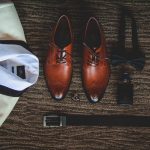
- Accessorizing: Invest in quality accessories such as belts, bags, and jewelry that can elevate your outfits without overpowering them.
Dress Codes and Where to Wear Them
Understanding different dress codes will help you prepare for casting calls, events, and professional settings. Here’s a breakdown of common dress codes:
- Business Casual: Typically includes tailored pants or skirts, button-up shirts, and closed-toe shoes. Avoid overly casual pieces such as jeans or sneakers.
- Formal: Long evening gowns or cocktail dresses for women and suits or tuxedos for men are appropriate for formal events.
- Casual: Comfortable yet stylish attire such as well-fitted jeans, t-shirts, and casually dressed shoes are suitable for informal settings.
Fit and Proportions
Understanding how clothing fits and flatters your body type is vital for any model. Here are some fit tips that can be easily applied:
- Know Your Measurements: Regularly take and update your body measurements to ensure accurate fitting while shopping.
- Choose the Right Silhouettes: Different shapes suit various body sizes and shapes. Experiment with different cuts to see what enhances your features best.
- Tailoring: Don’t hesitate to adjust pieces through tailoring. A well-fitted outfit can transform your look significantly.
Sustainable Fashion Practices
The fashion industry increasingly emphasizes sustainability. Here are some ways you can embrace eco-friendly practices as a model:
- Choose Sustainable Brands: When shopping, look for brands that follow ethical sourcing and eco-friendly practices.
- Thrift Shopping: Visit thrift stores for unique finds and reduce waste. This approach is budget-friendly and supports sustainability.
- Promote Conscious Fashion: Utilize your influence to raise awareness about sustainable fashion and make environmentally friendly choices.
Networking and Finding Opportunities
Networking is crucial for success in modeling. Establish relationships within the industry through the following means:
- Attend Industry Events: Participate in fashion shows, parties, and workshops to meet other professionals.
- Connect on Social Media: Use platforms like LinkedIn and Instagram to engage with industry peers and stay in the loop for job opportunities.
- Join Modeling Agencies: Consider submitting your portfolio to reputable modeling agencies who can represent you and open doors to job opportunities.
Choosing the Right Agency
Finding the right modeling agency can significantly impact your career. Here’s how to select a suitable agency:
- Research Reputable Agencies: Look for agencies with strong client relationships and a good industry reputation.
- Understand Their Portfolio: Review the agency’s other models and clients to ensure they align with your style and aspirations.
- Read Reviews: Look up experience testimonials from other models to gauge the agency’s professionalism.
Success Stories and Inspirations
Learn by observing and following successful models. Analyze their journey and gather inspiration:
- Follow their Careers: Study the paths of established models who have succeeded in the industry.
- Diverse Representation: Seek out inspirational stories from models of diverse backgrounds and body types to find relatable examples.
- Personal Growth: Understand that each success story often includes challenges, perseverance, and personal growth.
Becoming a model is an intricate process involving various aspects of the fashion industry, effective personal branding, and networking. By following the guidelines outlined in this article, you can take significant steps toward establishing a successful modeling career. Remember that authenticity and confidence will play significantly pivotal roles in your journey.
If you’re interested in further exploring modeling techniques, check out related articles on how to become a model without experience and additional resources to enhance your modeling skills.