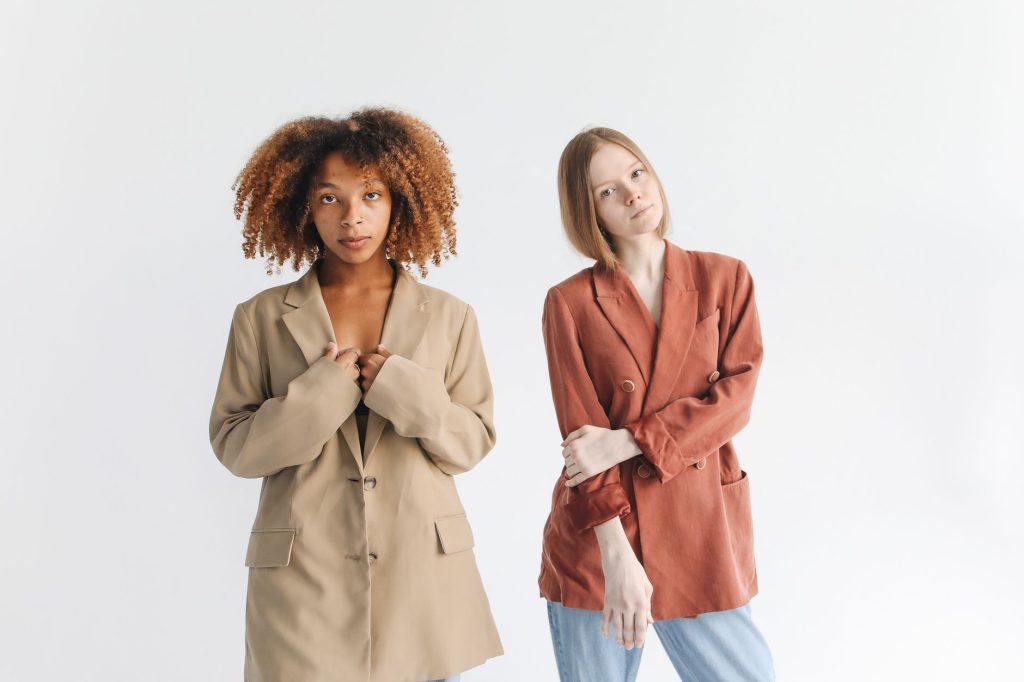
The fashion industry is celebrated for its creativity, artistry, and diversity. However, models often come under the spotlight, particularly regarding height. Understanding the average height for models can offer insights into the industry and guide aspiring models and fashion enthusiasts alike.
This article explores the typical height ranges for models, their implications in the modeling world, and tips for those looking to enter the industry or simply enhance their personal style.
What Is The Average Height For A Model?
The average height for a fashion model typically falls between 5’8″ and 6’0″ (173 cm to 183 cm). Commercial models can vary in height more significantly, often ranging from 5’5″ to 6’0″, making room for diverse body types and market preferences.
The height standards largely depend on the type of modeling, with runway models often adhering to taller requirements due to the needs of fashion designers. However, there is an emerging appreciation for models of varying heights in campaigns, advertisements, and catalog work.
Types of Models and Their Height Standards
Understanding the different modeling categories can clarify height requirements within the fashion industry. Here are some primary types:
- High Fashion Models: Typically between 5’8″ and 6’0″, these models are primarily used in runway shows and high-end editorials. The taller stature helps garments flow better and creates an ideal silhouette for showcasing fashion.
- Commercial Models: Height can be flexible, generally ranging from 5’5″ to 6’0″. These models are often used in advertisements, catalog shoots, and various commercial promotions.
- Plus-Size Models: There is no strict height requirement, but they usually range from 5’7″ to 6’0″. The more significant focus is on body proportions and fitting typical sizes rather than just height.
- Child Models: Height standards vary widely depending on the child’s age. Typically, children’s heights are assessed based on their age rather than a specific range, and can vary greatly.
- Fitness Models: Like commercial models, fitness models can range in height, but they often embody a strong and fit physique, which can be prioritized over strict height measurements.
The Evolution of Modeling Standards
Over the years, the modeling industry has evolved significantly, particularly in its approach to height and body diversity.
In the late 20th and early 21st centuries, the ideal model height was dominated by a slender, tall aesthetic, shaped largely by runway fashion trends. However, as consumer preferences have broadened, brands are increasingly opting for varied height representations to resonate with a wider audience.
Industry leaders are recognizing that beauty comes in all shapes and sizes, leading to a gradual but impactful shift in how models are cast. Today, diverse body types are celebrated, and many brands actively seek to include more models of varying heights.
How Height Affects Modeling Opportunities
Your height can significantly influence the types of modeling jobs you may pursue. Understanding this can help you navigate the industry effectively. Here are a few considerations:
- Runway Modeling: High fashion runways typically favor taller models. If your height falls within the high fashion model range, it may open more doors for runway opportunities.
- Commercial Modeling: This segment embraces a broader height range. If you are shorter than the high fashion standard, commercial modeling provides various job prospects, as brands increasingly desire relatable representations.
- Brand Representation: Some brands champion diversity, including height range, welcoming models who authentically represent their target consumers.
- Online Influencer Modeling: The rise of social media platforms offers a departure from traditional model requirements. Many successful influencers connect with audiences across different heights, showcasing that personality, style, and creativity can often outweigh strict height norms.
Tips for Aspiring Models of All Heights
Regardless of height, aspiring models can adopt strategies to enhance their chances of success. Here are some practical tips:
Build a Professional Portfolio
Creating a strong portfolio is crucial for all models. Include a variety of images showcasing your versatility. Consider hiring a professional photographer or building a relationship with a reputable agency that can help guide your portfolio development.
Network Effectively
Networking within the fashion industry can lead to serendipitous opportunities. Attend fashion shows, events, and social gatherings to meet industry professionals.
Engage on Social Media
Utilize social media to build your personal brand. Engage with followers, showcase your work, and connect with fellow models, photographers, and fashion influencers.
Professional Training
Participating in modeling classes or workshops can refine your skills and boost confidence. Practical experience allows you to learn about runway walks, poses, and industry expectations.
Embrace Your Unique Attributes
Highlighting what makes you unique can set you apart in a competitive market. This may include your height, personality, personal style, and more.
Height and Fashion: What to Consider When Dressing
Your height can significantly influence how to approach styling and outfit choices. Whether you’re modeling or dressing for personal style, consider the following tips related to height:
For Taller Individuals
- Play with Proportions: Long legs allow for versatile styling. Consider experimenting with belted dresses or high-waisted trousers that elongate the legs.
- Choose Statement Pieces: Bold prints and statement accessories can add visual interest and keep outfits dynamic, showcasing your height without overwhelming your frame.
For Shorter Individuals
- Monochromatic Looks: Dressing in a single color palette can create an elongated appearance, making you appear taller.
- Avoid Oversized Clothing: While oversized looks are trendy, be cautious as they can overwhelm a smaller frame. Instead, opt for tailored pieces that fit well.
A Little Bit of Both
- Invest in Fitting Tailoring: Regardless of height, clothes should fit well. Consider tailoring items to ensure they suit your shape and proportions.
- Accessories Matter: Select shoes, bags, and jewelry that complement your height. Taller individuals might try chunkier footwear, while shorter persons might stick to sleek designs.
The Influence of Height on Fashion Trends
Fashion trends often reflect broader cultural shifts, and the perception of height is no exception. Here are a few ways height influences current trends:
- Layering Techniques: Height-influenced layering is prevalent, as taller individuals can play with more dramatic layers without the risk of appearing overwhelmed.
- Shoe Trends: Taller individuals may embrace bold, chunky footwear, while shorter models often opt for styles that elongate the leg, like nude pumps or sleek ankle boots.
- Style Inspiration: Influencers of all heights are showcasing how to style different looks, elevating the conversation around body representation in fashion.
Sustainable Modeling and Fashion
Sustainability is becoming an integral part of the fashion industry. Models of various heights are influencing eco-friendly practices and representing brands dedicated to ethical consumption.
It is vital to consider sustainable options regardless of height, including:
- Choose Quality Over Quantity: Invest in timeless garments that will last and hold their shape rather than fast fashion pieces that wear out quickly.
- Embrace Secondhand and Vintage: Shopping secondhand reduces waste and can yield unique pieces that stand out in a wardrobe.
- Support Sustainable Brands: Look for brands that prioritize ethical manufacturing practices, materials, and sustainable design.
Final Thoughts on Height in Modeling
The average height for models varies across different arenas in fashion, emphasizing the importance of body diversity. Recognizing and embracing unique attributes can create a more inclusive environment, celebrating individuality.
Whether you aspire to model or want to enhance your personal style, understanding the nuances of height can help you navigate the possibilities in the modeling world and the wider fashion industry.
For those looking to take the first step, consider exploring the following guides: how to become a model and requirements for modeling. Embrace your journey in a way that feels true to you.