When it comes to fashion photography, how models pose can significantly impact the final image. The right pose can highlight clothing, convey emotion, and create a captivating visual narrative. Understanding modeling poses can also inform personal style and how one presents themselves in photographs.
This article explores the techniques and principles behind effective modeling poses, offering insights that anyone can adapt to improve their own photo-taking experience.
How Do Models Pose For Photos?
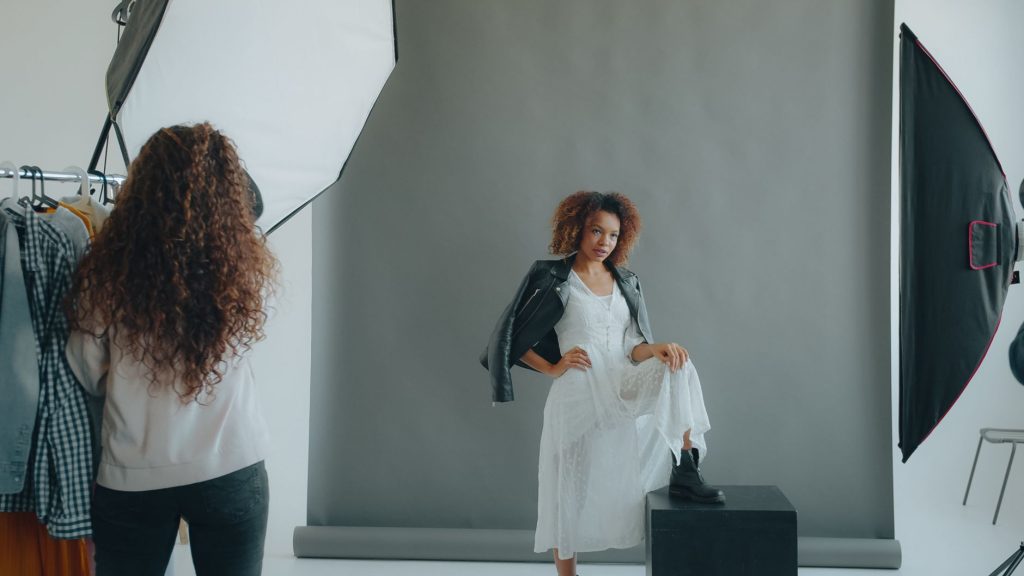
Models pose for photos with careful consideration of angles, body language, and expression to create visually striking images. Key factors include understanding body positioning, the importance of flow in posture, and even adapting to the style of the photoshoot, whether casual, editorial, or high fashion.
The Basics of Effective Posing
Models master several fundamental posing techniques that elevate their photos. Here are some vital elements to consider:
- Body Angles: Positioning the body at an angle to the camera instead of facing it straight on creates depth and dimension. This technique slims the silhouette and adds intrigue.
- Posture: Good posture enhances confidence. Models often keep their shoulders back and chest open, which creates a longer, more elegant look.
- Movement: Natural movement adds life to a pose. A slight shift in weight, a gentle turn, or even an expression can breathe energy into a still image.
- Eyes: Engaging the viewer with eye contact can create a connection. Models are taught to think about what they communicate through their gaze, whether it’s soft, fierce, or playful.
Understanding Different Poses
The type of photoshoot dictates the posing style. Here are some standard posing categories and examples:
Fashion and Editorial Poses
In fashion photography, poses often focus on showcasing clothing rather than the model themselves. Here are some tips:
- Three-Quarter Pose: This involves turning your body slightly away from the camera while angling your face back towards it. It elongates the torso and shows off clothes beautifully.
- Action Poses: Moving or pretending to walk can create a dynamic look. Models may take a step or shift their hips slightly, appearing candid and engaging.
- Arm Placement: Be mindful of how arms are positioned. Avoid letting them hang stiffly by your sides; instead, create shapes and curves using your arms to frame the body.
Casual Poses
For lifestyle or casual photography, a more relaxed approach is essential:
- Sitting Poses: When seated, keep your back straight and lean slightly forward. Crossed legs or relaxed arms create a laid-back vibe.
- Lean and Relax: Leaning against a wall or surface can create a sense of comfort. Keeping elbows relaxed while leaning can help ease stiffness.
- Hands in Pockets: This natural placement can create a nonchalant appearance while ensuring the model maintains good posture.
Building Your Posing Confidence
Feeling comfortable and confident in front of the camera is just as important as knowing the right poses. Here are tips to boost inner confidence:
- Practice in Front of a Mirror: Familiarize yourself with your body and angles by practicing poses in front of a mirror. This can help you understand what works best for your body type.
- Select Outfits that Make You Feel Good: Choose clothing that fits well and makes you feel confident. When you feel good in what you’re wearing, it shows in photos.
- Work with a Photographer: If possible, shoot with someone who can guide you. They can offer advice on what poses look good and help you feel relaxed.
Seasonal Considerations for Posing
The time of year can influence both clothing choices and posing styles. Here’s how you can adapt:
Spring and Summer
In warmer months, lighter fabrics and bright colors often feature prominently. Embrace movement in your poses:
- This can include twirling skirts or showing a slight breeze by using your arms. Treat the photo as if it’s part of a lively day outdoors.
- Utilize natural settings like parks or beaches. Leaning against trees or playfully walking along the shore can capture candid moments.
Fall and Winter
Seasonal layering offers unique opportunities:
- Experiment with different layers. Poses can showcase scarves or oversized sweaters for cozy visuals.
- Utilize urban or indoor settings to create warmth in your pictures. Posing near windows can give soft, flattering light.
Outfit Coordination for Photos
What you wear plays a critical role in how you pose and look in photos. Here are considerations for effective outfit selection:
- Fit and Proportion: Ensure your clothes fit well. Extra fabric can lead to awkward posing or an unflattering look. Tailored styles will enhance your posture.
- Colors and Patterns: Opt for colors that complement your skin tone. Avoid overly busy patterns that can distract from your overall appearance.
- Accessorizing: Choose accessories that enhance your outfit without overpowering it. A statement necklace may work well, while oversized hats could distract.
The Art of Expression and Connection
Facial expression is crucial in photography, adding depth and personality to poses:
- Finding Your Angle: Experiment with different facial angles. Some may prefer looking slightly down or tilting their chin upward for varying effects.
- Choose Your Mood: Different scenarios call for different emotions. A serious pose may work for fashion shoots, while warm smiles may be ideal for lifestyle photography.
- Practice Makes Perfect: Just as with body poses, practice your expressions. Developing a range of looks from serious to joyful can enhance your versatility.
Avoiding Common Posing Mistakes
Even seasoned models can fall into habits that detract from their photos. Here are some pitfalls to avoid:
- Stiffness: Avoid appearing rigid by keeping your movements fluid. Remember to breathe and shift your weight to maintain a relaxed demeanor.
- Too Much Symmetry: While symmetry can be appealing, find balance rather than striving for perfection. Slight asymmetries often look more natural.
- Ignoring the Background: Be aware of your surroundings. Clashes in colors or busy backdrops can detract from the elegance of your pose.
Incorporating Movement into Your Poses
Movement can bring a sense of life to your photos. Here’s how to imbue your poses with dynamism:
- Play with Movement: Slight movements, such as swaying or flowing fabric, can create a narrative. Simulate walking or incorporate a slight lean for a lively effect.
- Action Shots: Consider incorporating elements like twirling or laughing. A burst of genuine emotion can result in stunning captures.
Maintaining Consistency Across Different Shoots
When aiming for a cohesive portfolio or social media aesthetic, consistent posing will help unify your visual narrative. Consider the following:
- Identify Your Signature Style: Recognize which angles and poses feel most natural to you. Consistency across your photoshoots will help create a unified look.
- Stay True to Your Brand: If you’re building a personal brand, ensure your poses align with the message you wish to portray. Authenticity will resonate with your audience.
Preparing for a Photoshoot
Preparation can greatly influence your confidence and performance. Here are steps to take leading up to a photoshoot:
- Wardrobe Choices: Select a variety of outfits that encapsulate your style. Bring options to allow for flexibility in poses.
- Practice Direction: Pre-plan how to interact with the photographer. Discuss what angles will work best and review previous successful shots.
- Relaxation Techniques: Engage in breathing exercises or a quick walk before the shoot. Arriving relaxed ensures you’ll be comfortable in front of the camera.
Conclusion
Mastering how to pose for photos involves understanding the foundational principles of modeling while adapting them to your unique style. When considering angles, body language, and the emotional impact of your expressions, anyone can create captivating images, whether for personal use or professional endeavors.
Consider further readjusting your personal style and posing techniques by exploring resources on how to take good modeling photos and how models prepare for a photoshoot.