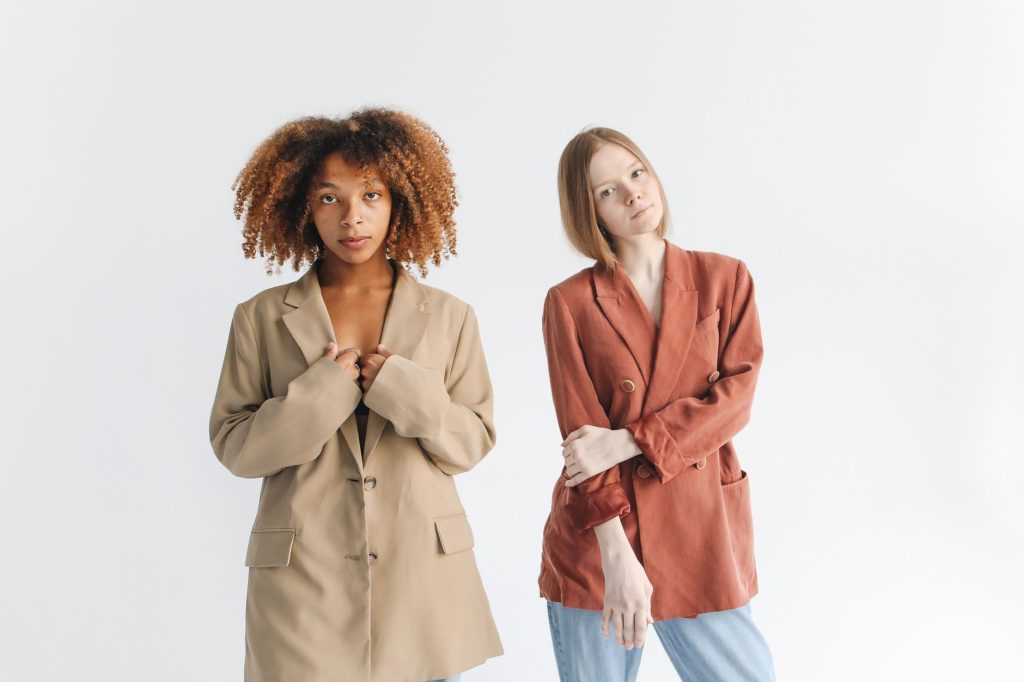
Height has long been a defining characteristic in the modeling industry, with many aspiring models wondering just how tall they should be to break into the field. While traditional modeling standards often favored taller individuals, the landscape has shifted significantly in recent years, allowing for greater inclusivity.
In this article, we’ll explore the various height requirements across different modeling categories, the ongoing changes within the industry, and practical advice for those looking to pursue a modeling career regardless of height.
What is the Ideal Height for a Model?
Many may ask, “How tall should a model be?” Generally speaking, the ideal height can vary greatly depending on the type of modeling. For runway, high fashion, and editorial models, the standard heights typically range from 5’9″ to 6’0″. However, commercial modeling often embraces a broader range of sizes, from 5’5″ to 5’9″.
Here’s a brief outline of height requirements across various modeling categories:
- Runway Models: Usually 5’9″ to 6’0″. This height allows for garments to drape correctly and provides a long silhouette ideal for showcasing fashion on the runway.
- Print and Editorial Models: Typically fall between 5’7″ and 6’0″. While height is still a consideration, the emphasis is often on unique looks and versatility.
- Commercial Models: Height ranges from 5’5″ to 5’9″. This category is more accessible, catering to advertising and lifestyle brands.
- Plus-Size Models: Generally, they are at least 5’8″ and above, but it is more the size that defines them — often sizes 12 and up.
- Petite Models: Typically under 5’5″. This niche has seen a rise in popularity, modeling for brands targeting smaller sizes.
The Evolving Standards of Modeling Height
Models no longer conform strictly to traditional height standards. The industry has been gradually embracing diversity, pushing for representation across all sizes and heights. Influential movement toward inclusivity has allowed shorter and plus-size models to thrive.
Brands have begun recognizing that consumers want to see their own reflection in advertising. This societal shift is encouraging many fashion brands to steer away from a single ideal and instead celebrate uniqueness and individuality, leading to increased demand for models of various heights.
The Role of Social Media
Social media has democratized the modeling industry, enabling individuals of varying heights to showcase their talent. Influencers and models who do not meet traditional standards can now gain visibility and opportunities through online platforms. Online community support and visibility change the definition of beauty, enabling labels to rethink hiring practices beyond mere height measurements.
How to Model as a Shorter Individual
If you are on the shorter end of the height spectrum, breaking into modeling may seem challenging, but it’s manageable with the right approach. Here are some strategies that can help shorter individuals find success in modeling:
- Focus on Commercial Modeling: Brands often seek models for their commercials who represent a wider range of heights. Target advertising, products, and lifestyle campaigns.
- Build a Strong Portfolio: Create a professional portfolio that highlights your unique features and versatility. Include a range of looks and styles to display your adaptability.
- Leverage Digital Platforms: Utilize social media platforms to market yourself. Build an engaged following and showcase your modeling skills online.
- Find the Right Agency: Work with agencies that specialize in petite or diverse models. They tend to have contacts and clients specifically looking for shorter models.
Modeling as a Tall Individual
For those who fall within the taller height range, opportunities are plentiful, especially in runway and editorial modeling. However, certain considerations can still help maximize success:
- Ensure Proper Fit: Tall models must pay careful attention to fit, especially in garments designed for shorter models. Oversized pieces or dresses can overwhelm a frame, so opt for tailored styles.
- Work on Proportions: Balance your tall silhouette with proportional clothing, such as high-waisted pants paired with cropped tops to create a more harmonious look.
- Adapt to Different Styles: Embrace versatility in your modeling career. This ability may open doors in various branches of modeling beyond the runway, enhancing your overall portfolio.
Building Your Modeling Portfolio
Creating a strong portfolio is essential for any aspiring model. Here’s how to create an appealing portfolio regardless of your height:
- Professional Photos: Invest in high-quality images that highlight your best features. Partner with a skilled photographer who understands modeling to capture your versatility.
- Include Variety: Showcase a wide array of looks, including editorial, casual, and lifestyle shots. This display can attract different clients and agencies.
- Update Regularly: Keep your portfolio fresh and updated as you grow in your modeling career. Include new styles, experiences, and photographs.
Height and Fashion: Tips for Dressing Tall and Short Figures
For Taller Individuals
If you are taller than average, here are some fashion tips to ensure you wear your height to your advantage:
- Layer Wisely: Use layers to create dimension rather than amplifying your height. Long cardigans, tailored blazers, and vests can add sophistication without elongating further.
- Choose the Right Skirts: A-line skirts and dresses can balance your proportions, while asymmetrical hemlines create visual interest that doesn’t emphasize height.
- Fitted and Tailored Looks: Clothing that fits well enhances your shape. Pay particular attention to fit, especially with pants.
For Shorter Individuals
Shorter figures can also enhance their style and create the illusion of height with strategic dressing choices:
- Opt for Monochrome Outfits: A single-color palette can elongate your frame. Consider tonal outfits where pieces are similar in hue.
- High-Waisted Pieces: High-waisted trousers and skirts offer a better fit, creating an impression of longer legs.
- Heels and Height Boosters: Consider footwear, like pointed-toe heels or platform shoes, to create a visual lengthening effect.
Fashion Trends and Styling for All Heights
Fashion trends are an evolving landscape that welcomes all body shapes and sizes. Here’s how to navigate current trends effectively:
Stay on Top of Trends
Each season brings new trends that may prove more flattering or relevant to specific body sizes. Keep an eye out for growing trends such as:
- Oversized Fashion: This applies to both tall and shorter models. Oversized clothing can provide comfortable, chic looks, though measurements and proportions are essential to consider.
- Vertical Stripes: These can elongate any frame, creating a sleek look that suits all heights.
- Layered Textures: Combining different textures can add dimension to your outfit, suitable for both short and tall individuals.
Hiring Factors Beyond Height
When industries consider models, height is just one aspect of a larger picture. Other contributing factors may include:
- Facial Features: Unique and diverse faces sell products, leading to modeling opportunities not necessarily limited by height.
- Photography Skills: A model’s ability to express emotion and portray stories through photos plays a significant role in their success.
- Personality and Professionalism: Agencies often prioritize attitude and reliability, valuing models’ teamwork and work ethic.
Caring for Your Garments as a Model
As a professional or aspiring model, garment care can significantly impact the wardrobe you utilize. Proper care ensures your outfits are always ready for any shoot or runway event:
- Follow Care Labels: Always adhere to recommended washing and care instructions to maintain fabric integrity.
- Use Appropriate Storage: Hang clothing properly to avoid creasing. Collapsible storage options may damage fabric over time.
- Regular Maintenance: Steam or iron garments that require it before a shoot or runway presentation. A good appearance is vital.
Embracing Diversity in Modeling
The modeling industry is slowly evolving into a more inclusive space. Models of all heights, sizes, and backgrounds are gradually being recognized and celebrated. This transformation represents both a challenge and an opportunity for aspiring models to embrace their individuality.
Height should never deter someone from considering a modeling career. Remember, modeling is about much more than just height; it’s about confidence, presence, and personality. Models can thrive at any height when they possess knowledge, skill, and resilience.
Take the Next Steps
Now that you understand the significance of height in the modeling industry, it’s time to dive deeper into your potential career. Building a strong portfolio, knowing which area of modeling suits you best, and remaining confident in your individual beauty will serve you well.
Explore our guides on how to become a model and modeling requirements for additional tips and insights that will help you navigate your journey in this vibrant industry.